A regional commercial insurance carrier is escalating its fight against alleged organized fraud in New York’s construction sector by invoking federal racketeering law, a move that could have broad implications for the workers’ compensation and liability insurance markets.
Merchants Insurance Group, headquartered in Buffalo, New York, has filed a federal civil lawsuit under the Racketeer Influenced and Corrupt Organizations Act (RICO), alleging the existence of an extensive and coordinated fraud network targeting construction-related insurance claims across the state.
The insurer says the alleged schemes have distorted market conditions by driving up costs for employers, insurers, and policyholders while exploiting injured workers and small businesses.
“Insurance fraud has consequences beyond the immediate parties involved. It doesn't just affect insurance companies — it hurts everyone who depends on a fair system,” said Charles Makey, president and CEO of Merchants Insurance Group.
According to court filings, the lawsuit was submitted on Oct. 20, 2025, by the Willis Law Group. The complaint alleges that since at least 2018, multiple individuals and entities worked together to orchestrate staged or exaggerated construction-site accidents, submit false injury claims, and pursue unnecessary or excessive medical treatments in order to inflate insurance payouts.
Merchants alleges that participants in the scheme targeted construction workers, encouraging or coercing them into taking part in exaggerated incidents and converting relatively minor injuries into expansive “full-body” claims. The lawsuit further claims that false medical documentation was submitted and that providers billed insurers for treatments that were medically unnecessary.
In some cases, workers were allegedly pressured into undergoing invasive procedures, including spinal surgeries, to increase the value of claims and settlements.
By filing a civil RICO action, Merchants said it is seeking not only financial recovery but also accountability from the broader enterprise it believes is responsible for the alleged misconduct. Unlike traditional fraud claims, the RICO statute allows plaintiffs to pursue treble damages and to target coordinated networks rather than isolated actors.
While RICO has previously been used in high-profile no-fault and medical fraud cases, its application in the construction and workers’ compensation arena remains relatively uncommon. Industry observers say the case could serve as a test for whether other carriers will adopt similar legal strategies.
“When false claims are used to line the pockets of a few, it drives up costs for employers and takes resources away from genuinely injured workers,” Makey said. “We filed this case to help preserve the integrity and affordability of insurance for consumers throughout New York. It's our responsibility to protect the people who do things the right way.”
The lawsuit comes amid growing concern over the financial toll of insurance fraud nationwide. According to the Coalition Against Insurance Fraud, fraudulent activity costs U.S. consumers an estimated $308.6 billion annually, contributing to premium increases of between $4,000 and $7,000 over a 10-year period for the average American family.
New York’s dense construction market, characterized by high-risk projects and complex labor arrangements, has long been viewed as particularly vulnerable to staged-accident schemes and inflated medical billing practices.
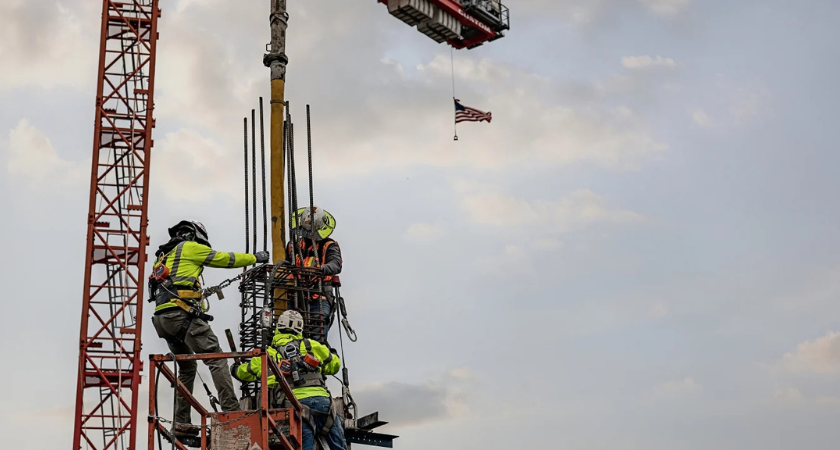
Makey said the case is ultimately about restoring fairness to a system under strain. “We owe it to the construction workers who risk their safety every day and to the small businesses that play by the rules to make sure the system works for them.”
Originally reported by Josh Recamara in Insurance Business.