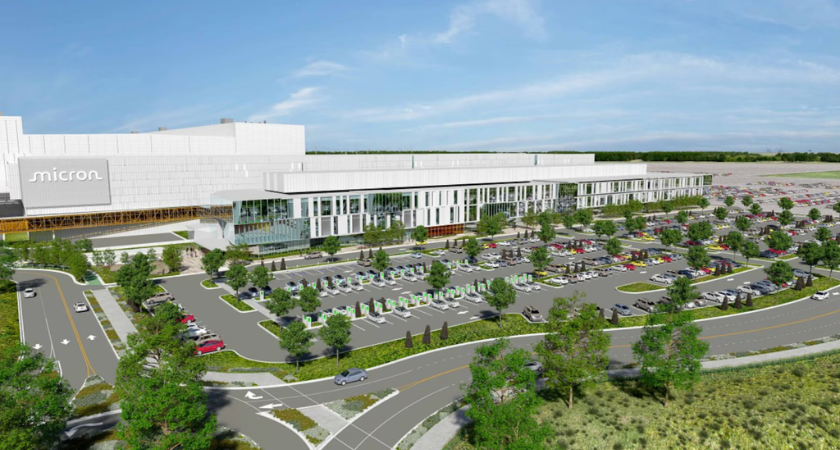
Micron Technology has officially scheduled the groundbreaking for its long-anticipated semiconductor manufacturing complex in Central New York, marking a major milestone for one of the largest economic development projects in U.S. history.
The company announced that the groundbreaking ceremony will take place at 1 p.m. on Jan. 16 at the future Micron site, located at the intersection of Route 31 and Caughdenoy Road in the town of Clay.
“Breaking ground at Micron’s New York megafab is a pivotal moment for Micron and the United States,” said Sanjay Mehrotra, Micron’s chief executive officer.
Micron plans to invest up to $100 billion to construct as many as four semiconductor fabrication plants, or fabs, on the site. Under the current timeline, the first factory is expected to open in 2030, followed by a second in 2033. Once all four facilities are completed, the company estimates the campus will employ approximately 9,000 people by 2045.
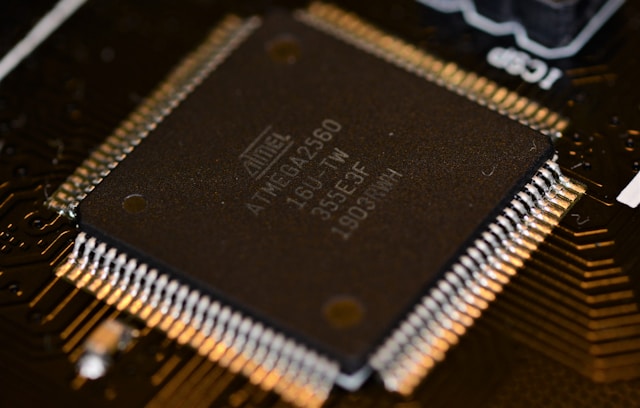
The project comes as Micron benefits from strong demand for its memory chips, which are widely used in data centers and artificial intelligence applications. The company has recently reported record revenues and profits, underscoring the strategic importance of expanding domestic semiconductor manufacturing capacity.
.jpg)
Although Micron unveiled its New York plans more than three years ago, construction was delayed by an extensive 20,000-page environmental review process. In November, Micron acknowledged that the prolonged review pushed the project two to three years behind schedule.
Site preparation is now set to move forward in phases. The first step involves clearing hundreds of acres of trees by March 31. Environmental restrictions tied to endangered bat populations prohibit tree removal between April 1 and Oct. 31, when the bats return to the area.
In parallel, Micron will begin building a rail spur across Caughdenoy Road to transport an estimated 9 million cubic yards of fill needed to stabilize and level the swampy site.
While Micron has secured most required state and local permits, it is still awaiting final approvals from the federal government. If fully approved, the company could receive more than $25 billion in taxpayer subsidies to support construction of the first two fabs.
Once underway, the Clay campus is expected to reshape Central New York’s economy, creating thousands of high-paying jobs and establishing the region as a key hub in the U.S. semiconductor supply chain.
Originally reported by Glenn Coin in Syracuse.