Wisconsin residents and visitors began contributing to the construction of what would become Miller Park on Jan. 3, 1996, following the implementation of a new statewide sales tax designed to fund the Milwaukee Brewers’ future home.
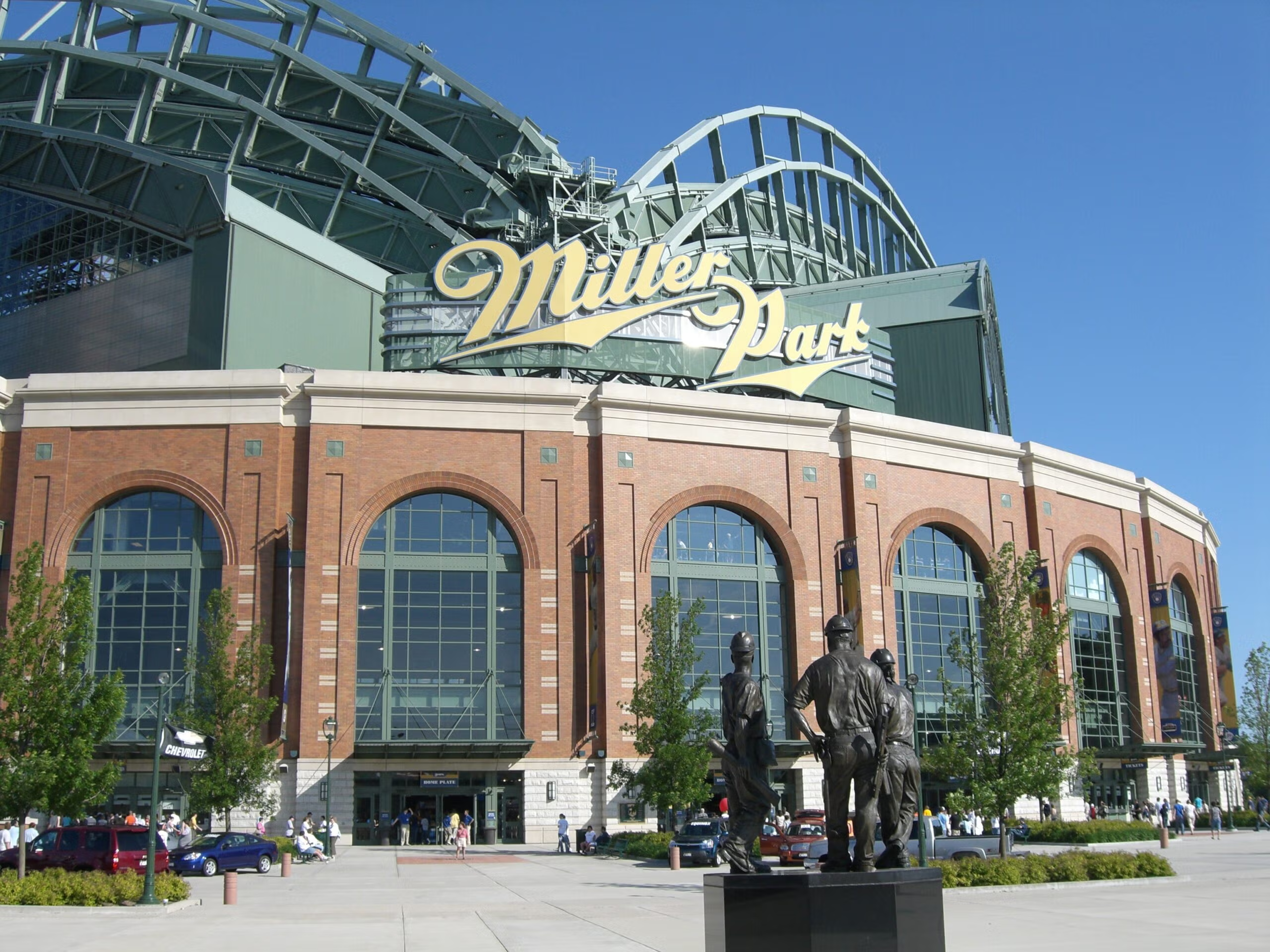
The funding initiative stemmed from legislation approved by state lawmakers in 1995. That bill established a preliminary budget of $250 million to cover the design, construction, and development of the Major League Baseball stadium in Milwaukee.
Under the legislation, a one-tenth of one percent sales tax was imposed to help finance the project. The law also included several conditions tied to the stadium’s use, requiring any Major League Baseball team playing there to make annual contributions to youth sports organizations. In addition, it mandated that general seating areas inside the stadium be smoke-free.
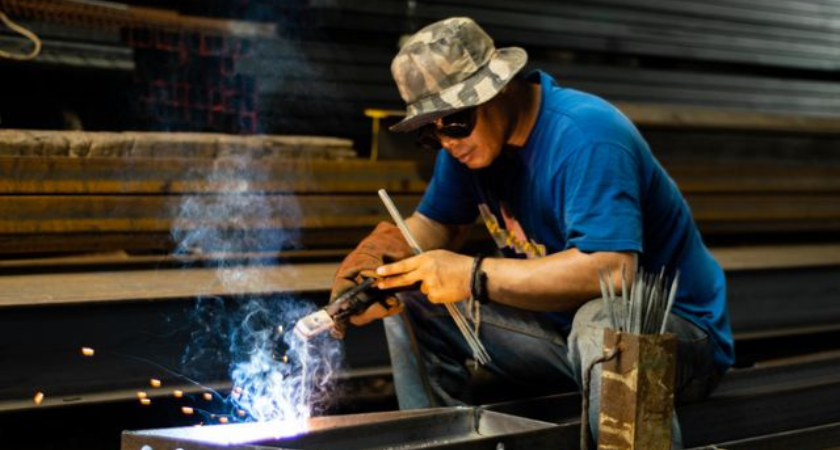
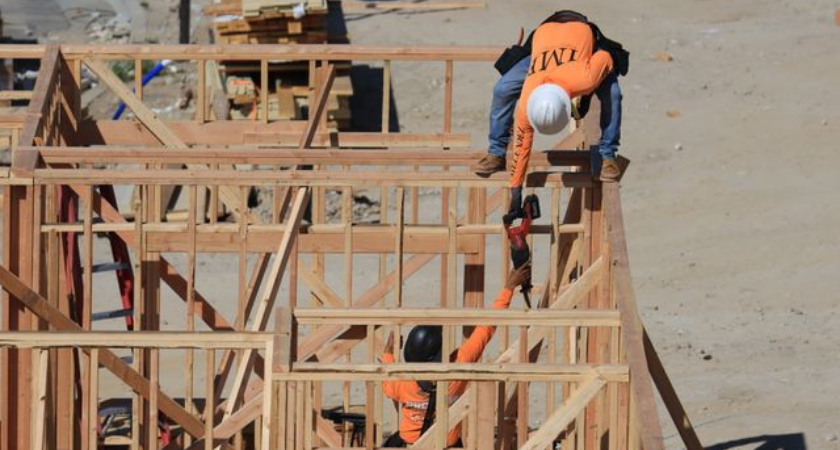
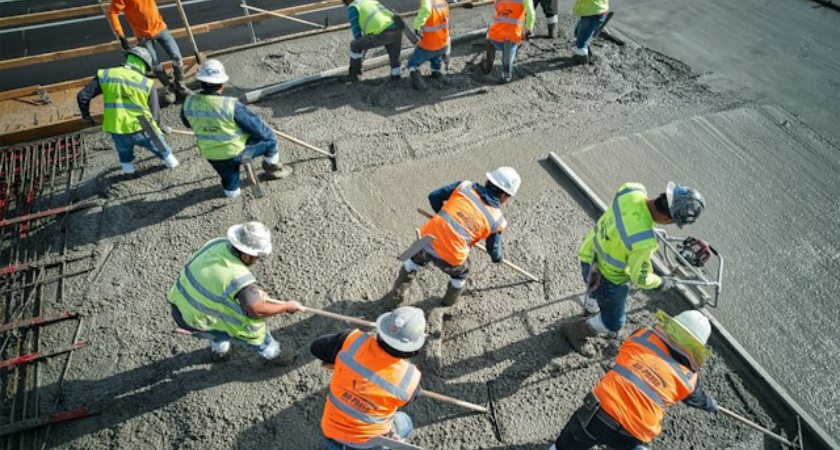
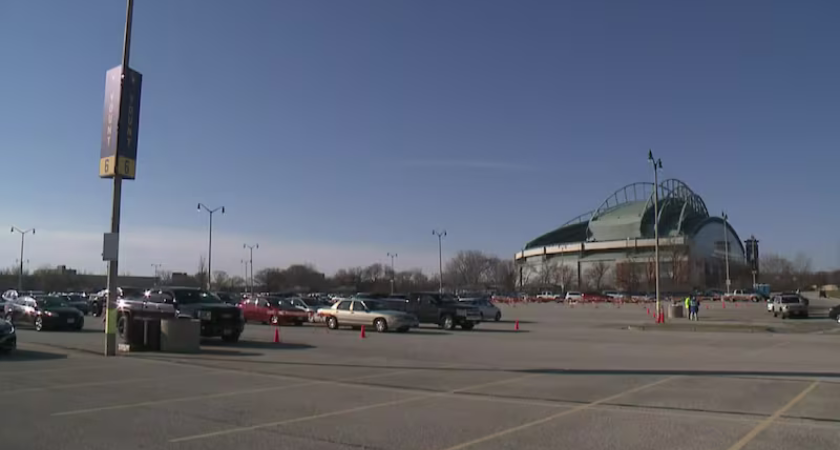
Construction on the stadium began later that year, on Nov. 6, 1996. The facility officially opened in 2001 under the name Miller Park, marking a major milestone for professional sports and public investment in Wisconsin. In 2020, the venue was renamed American Family Field.
At the time, the decision to fund the stadium through a regional sales tax sparked widespread debate across Wisconsin, as residents weighed the economic benefits of retaining the Brewers against concerns over public financing for professional sports facilities. Supporters argued the project would protect jobs, boost tourism, and anchor long-term economic activity in the Milwaukee area.
The stadium ultimately became known for its retractable roof, a defining feature that allowed games to be played year-round despite Wisconsin’s unpredictable weather. That design choice further increased construction costs but was widely viewed as essential to the team’s long-term viability.
Over the years, American Family Field has hosted not only Brewers games but also concerts, community events, and postseason baseball, reinforcing its role as a regional landmark. The funding model adopted in the mid-1990s has since been referenced in ongoing discussions nationwide about the balance between public investment and private benefit in major sports infrastructure projects.
Originally reported by Tabitha Bland in WMTV 15 News.