After nearly a decade of construction, seismic retrofits, and infrastructure upgrades, the Oregon State Capitol is finally approaching a full reopening — marking one of the most complex and costly public restoration efforts in the state’s history.
.jpg)
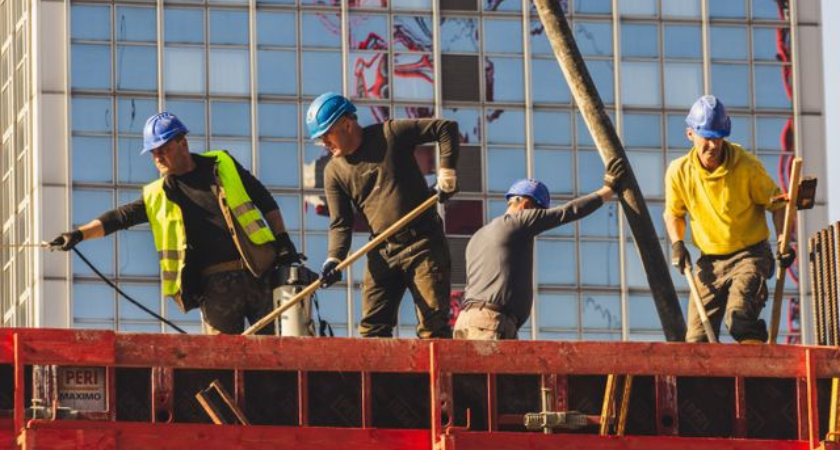
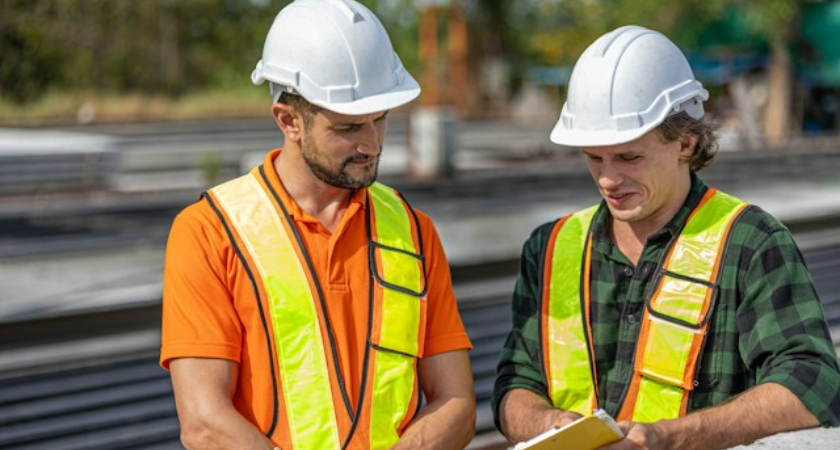
Workers in neon vests still clustered around the grounds this week as the final phase of the $598 million, three-stage modernization project enters its home stretch. The massive effort, which began in 2016, is scheduled to conclude on Feb. 2, 2026, aligning with the start of the next legislative session.
Despite the lingering activity, the Capitol looks closer than ever to its restored form. On Tuesday, Dec. 2, about 100 workers were still painting, finishing floors, installing fixtures, and completing courtyard upgrades. Over the course of the decade-long effort, more than 2,500 workers have contributed to the project.
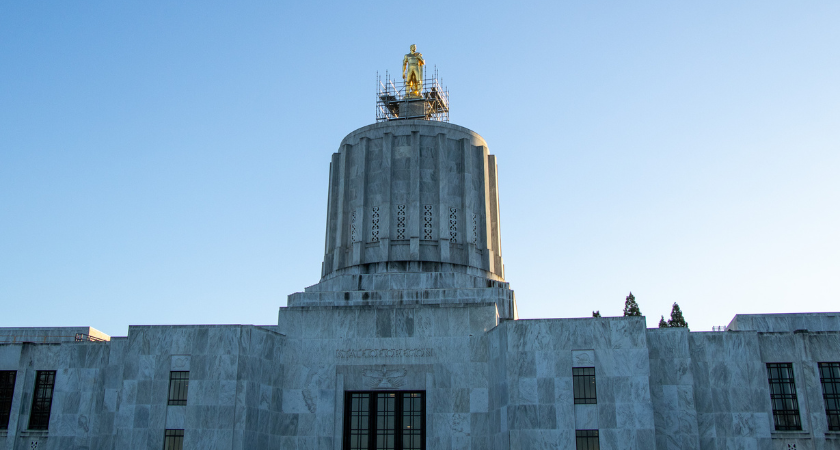
One of the most visible reminders of construction was the famous Gold Man, who sits atop the Capitol rotunda. The statue was wrapped in a tarp from June to mid-November, setting off public speculation about its status. But project director Jodie Jones assured residents that the iconic figure never left its perch. The Gold Man has now been anchored for seismic stability and partially regilded, restoring its brilliance for generations to come.
Phase one, funded in 2016, addressed critical needs: improved accessibility, upgraded mechanical systems, enhanced security, and significant work within the interior rotunda.
Phase two, approved in 2020, expanded those efforts with office renovations and further seismic reinforcements.
Phase three — the most ambitious and expensive — accounted for $465 million of the total budget when approved in 2022. It required extensive closures and shifted visitor access, particularly during the post-pandemic years. Key to this phase was a complete excavation of the basement and an additional 20 feet below the original foundation.
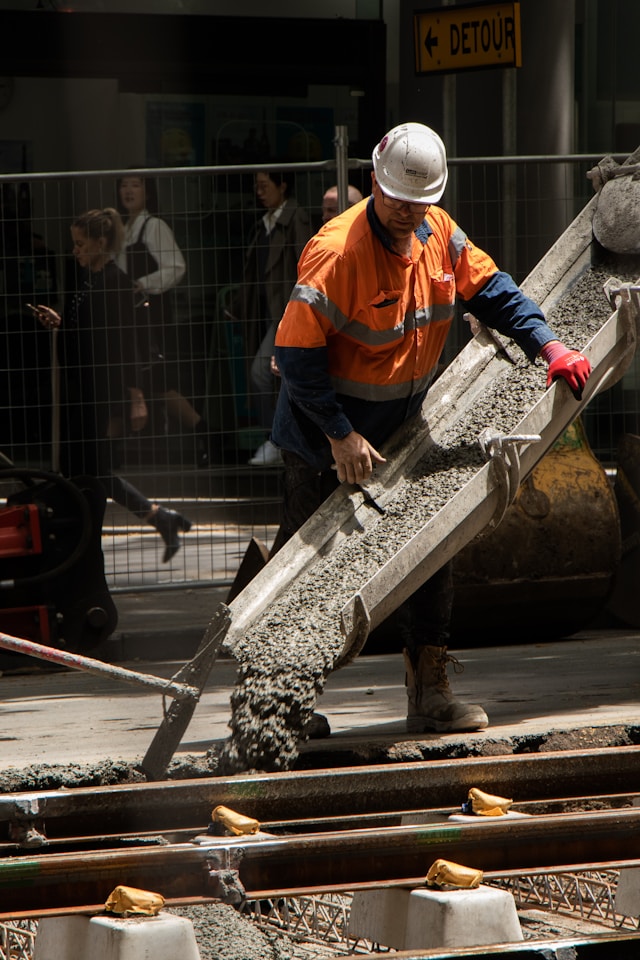
Crews removed 36,000 cubic yards of soil, hauled away in 2,400 dump truck loads, to make room for earthquake reinforcements and a redesigned lower level. Workers installed 160 base isolators beneath the central portion of the building, originally completed in 1938. For months, the upper floors were essentially supported on stilts to allow foundation reinforcement work to proceed safely.
The reimagined basement is one of the defining features of the renovation. With higher ceilings, natural light from added skylights, and expanded public amenities, the space has been transformed into a vibrant hub intended to draw visitors and staff.
It now includes
Jones expects the basement to become “just as busy as the first” once fully reopened.
About 30% of staff still haven’t seen the Capitol fully open due to long-term closures. But with seismic upgrades now in place, the building is far better prepared for the region’s earthquake risks.
Jones explained that the reinforced structure would withstand events on the scale of the 1993 Scotts Mills earthquake, which damaged the Capitol’s rotunda. For larger seismic events, including the potentially devastating Cascadia Subduction Zone earthquake — which carries a 37% likelihood of exceeding magnitude 7.1 in the next 50 years — the building is now expected to remain standing long enough for safe evacuation.
While the main structure is nearing completion, some areas will remain under construction past the February reopening. The North Plaza is expected to reopen in mid-March, just in time for cherry blossom season. Additional small repairs and upgrades will continue after the legislative session concludes.
Workers continue buffing floors, painting walls, finishing hearing rooms, and preparing the rotunda for the annual Christmas tree lighting — the first since 2019. In photos taken throughout the building, ladders, scaffolding, construction carts, and even a joking “wet paint” sign remind visitors of the immense effort still underway.
From the Senate chambers to the ground-level courtyards, visible progress signals the final stages of a transformational renovation — one that will improve accessibility, preserve history, and protect the Capitol against the seismic threats of the future.
The project stands as one of Oregon’s most significant public building investments, reshaping the Capitol for the next generation of lawmakers, staff, and residents.
Originally reported by Hailey Cook in Salem Reporter.