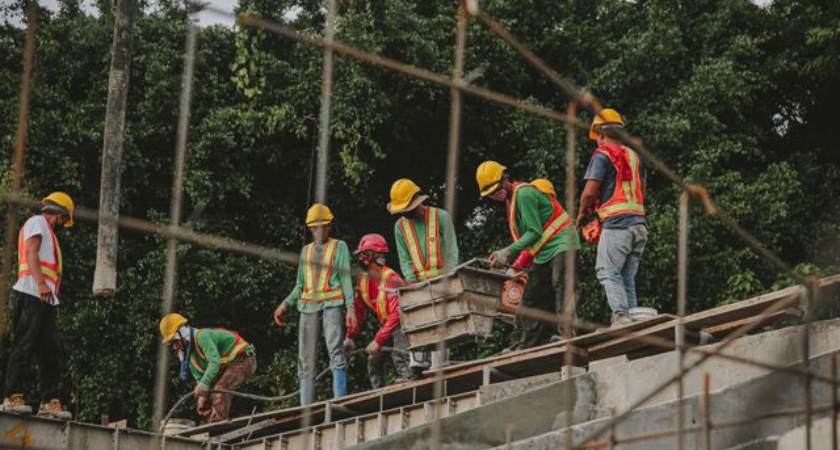
Holst Architecture has completed Julia West House, a 12-story mass timber affordable housing development in downtown Portland, marking the tallest mass timber residential building in Oregon to date. The project delivers permanent supportive housing for older adults while showcasing the growing potential of tall timber construction in urban environments.
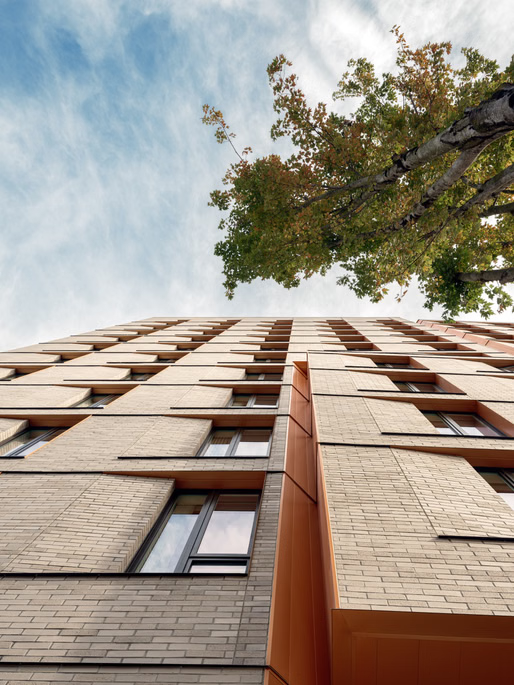
Rising 145 feet and spanning 56,000 square feet, the building replaces a former 5,000-square-foot site previously owned by the First Presbyterian Church of Portland. The development includes 90 fully furnished apartments, made up of 60 studio units and 30 one-bedroom units, all reserved for residents earning 30 percent or less of the area median income. The housing is designed specifically for formerly houseless adults aged 55 and older, with approximately 45 percent of residents identifying as BIPOC.
Julia West House is among the first projects in Oregon to utilize Type IV-B mass timber construction, a relatively new building classification that allows for taller timber structures with enhanced fire-resistance standards. The exposed structural system—including glulam beams, columns, and timber ceilings—is visible through large windows, while communal spaces are carefully integrated into the building’s brick façade to encourage interaction and community engagement.
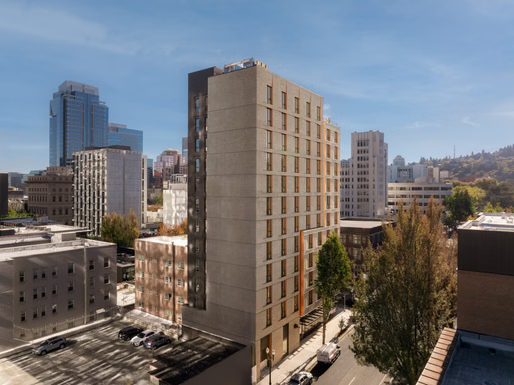
The project incorporates a wide range of resident amenities, including a community room, shared kitchen, rooftop patio, laundry facilities, and secure bicycle parking. Sustainability goals are central to the design, with the development targeting National Green Building Standard and Energy Star certifications, reinforcing mass timber’s role as a lower-carbon alternative to traditional construction methods.
Funding for the project came from a diverse mix of public and private sources, including 4 percent Low-Income Housing Tax Credits, USDA Wood Innovations funding, a grant from the Portland Clean Energy Community Benefits Fund, and rental assistance provided by Oregon Housing and Community Services. The site was sold to Community Development Partners, which oversaw development of the project.
Construction began in February 2024, and residents started moving in during early October 2025. As of early 2026, the building is reported to be more than 65 percent occupied, reflecting strong demand for affordable, supportive housing in Portland’s urban core.
Julia West House highlights how mass timber construction, affordability, and social services can intersect in dense city settings, offering a model for future housing developments seeking both environmental performance and long-term community impact.
Originally reported by Niall Patrick Walsh in Archinect.