In an industry long dominated by men, a growing network of women in Central Oregon is working together to change the blueprint.
.webp)
Founded in 2024, Central Oregon Women in Construction (COWIC) began as a response to a recurring need: mentorship for women navigating careers in architecture. Today, the Bend-based group supports professionals across architecture, engineering and construction — offering connection, guidance and practical support.
Bend architect Heidi Slaybaugh, principal at Cole Architects, frequently heard from male leaders seeking help supporting their female employees.
“The male leaders couldn’t address the questions they were hearing from female colleagues,” recalled Slaybaugh. “Most architecture firms are run by men, and they needed help responding to questions about what it takes to be a successful woman in this industry. Women needed to hear tips and tricks from another woman.”
Those conversations revealed a consistent theme: women in the field were looking for guidance from someone who had walked a similar path.
Rather than handle requests individually, Slaybaugh teamed up with Genevra Obregon, a project architect at BBT Architects, to create a broader support network. What began as a mentorship effort for architects quickly expanded.
“It became clear that there was a need for support for women in design firms, engineering and construction, as well,” said Slaybaugh. “We decided, let’s include any woman in these careers.”
Obregon added, “We wanted to empower women in this broader industry dominated by men.”
Within two years, COWIC grew to 137 members, largely through word of mouth. Membership remains free and informal, with leadership driven by volunteers who step up to organize events or host gatherings.
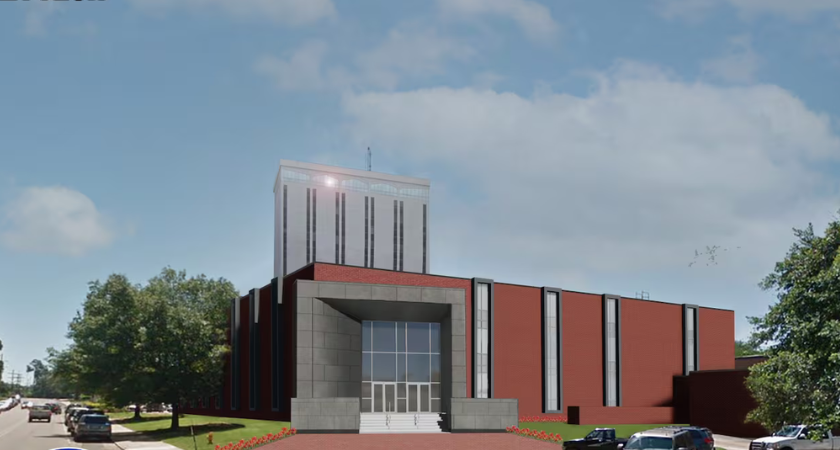
COWIC hosts monthly events ranging from social meetups and roundtable discussions to construction site tours across Central Oregon. These tours have included projects such as the new Sisters Elementary School, the Mid Oregon Credit Union building in Bend’s Old Mill District and the renovated historic post office, now The Westman Hotel.
“It’s helpful to see sites at different phases, to learn about hard choices made to accomplish goals, to see other’s work,” said Slaybaugh. “Women can be more nervous to ask questions in a male-dominated group. A mostly female tour creates a safe space to ask anything.”
The site visits provide not only technical insight but also a supportive environment where participants feel comfortable raising questions they might otherwise withhold.
While mentorship was the original catalyst, networking has become equally important.
“People in smaller firms, people who just moved here, they just want to meet others,” said Obregon. “You come to one of our events and you know you’ll meet someone in the same industry, and that you’ll connect with someone over something relatable.”
The group also addresses practical workplace challenges. A recent discussion focused on job site safety — beginning as a women-only conversation before opening to male colleagues.
“Men may not even realize that they are doing something that a female colleague might find intimidating,” said Obregon. “We like to start conversations with women, so as not to put men on the spot, but then invite men into the conversation later.”
“We began with just the women and heard about unique safety challenges a woman might face on a construction site. Then we opened up a roundtable conversation to everyone so that women could share with the group ways to help everyone feel safer.”
Slaybaugh and Obregon say their differing career stages — one established in leadership, the other navigating licensure and early advancement — allow them to provide perspective across the professional spectrum.
For many members, the greatest impact is simply knowing they are not alone.
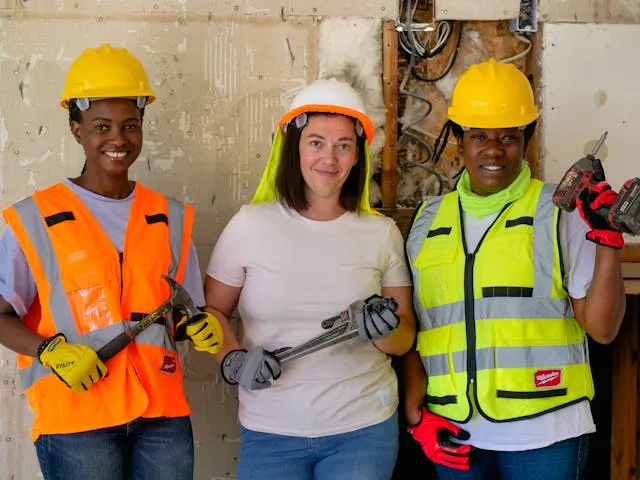
COWIC, they said, has helped women in the industry feel less alone, to understand “I’m not the only one out there.”
That sense of belonging can be critical in industries where women often make up a small percentage of leadership roles and field crews. Nationally, women remain underrepresented in construction and engineering fields, particularly in executive and site-based positions. Groups like COWIC aim to close that gap not only through mentorship, but by building visible community.
“We continue to gain traction, and to see more involvement,” said Slaybaugh. “It’s great to be giving back, to give more than I got early in my career.”
As Central Oregon continues to grow, so too does demand for skilled professionals in design and construction. By strengthening peer networks and leadership pathways, COWIC members hope to ensure women are not just present in that growth — but leading it.
Originally reported by Kim Cooper Findling in Bend Source.