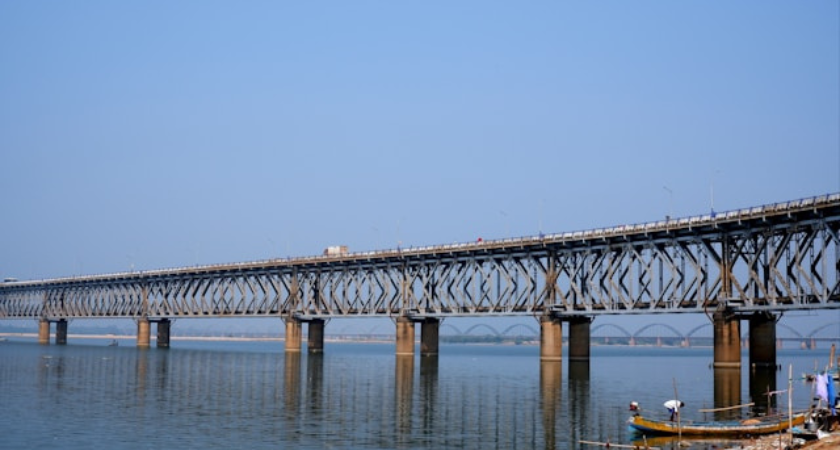
Important community discussions are now underway as Louisiana officials move forward with planning the LA 1 to LA 30 Connector Project, a major component of the long-anticipated new Mississippi River Bridge. The effort aims to improve connectivity between St. Gabriel and Plaquemine, and early public briefings are giving residents the chance to hear updates and voice concerns.
.jpg)
The first meeting was held Tuesday evening at the St. Gabriel Community Center, drawing local residents, stakeholders, and project staff. A second session is scheduled for Wednesday from 5–7 p.m. at the Plaquemine Community Center, offering another opportunity for public participation.
According to the Louisiana Department of Transportation and Development (DOTD), the project has officially entered the environmental assessment phase. During this stage, engineers and planners will compile cost estimates, evaluate three potential bridge locations, and advance conceptual bridge and roadway designs. DOTD Secretary Glenn Ledet noted that the estimates will incorporate funding from local, state, and federal sources, reflecting the scale and complexity of the project.
As DOTD continues its technical and environmental studies, some residents say they want clearer communication about how decisions are being made. One attendee at Tuesday’s meeting expressed support for progress but raised concerns about transparency. She said she is “all for development,” but wants the work to be done “the right way.”
For community members seeking additional updates, DOTD has already scheduled four more public meetings for early next year. Officials say these sessions will further explain the environmental assessment process, share developing design concepts, and gather public input that will help shape the final alignment.
The LA 1–LA 30 Connector Project is considered a major infrastructure priority for the region, intended to ease congestion, support economic growth, and provide an additional Mississippi River crossing. Public engagement will remain a key part of the planning process as environmental work continues into 2026.
Originally reported by Matt Venezia in WAFB.