Maintaining airfield operations during major infrastructure upgrades remains a critical challenge for airport owners and contractors. Pulice, a FlatironDragados company, has completed the Taxiway C Phase 2 Reconstruction project at Dallas Love Field Airport, delivering the work within an accelerated 225-day schedule.
The project has moved into final inspections, system testing, operational readiness activities and closeout procedures.
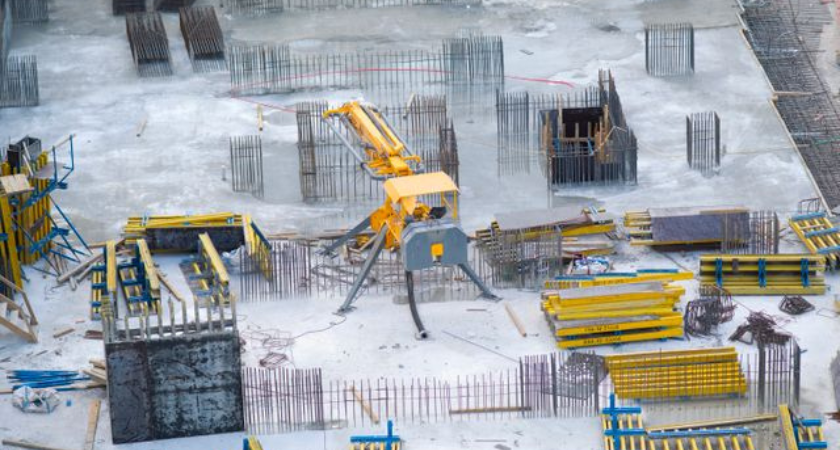
The reconstruction program included demolition and replacement of the existing taxiway along with associated infrastructure improvements designed to support ongoing airport operations. Construction activities included earthwork, placement of crushed aggregate base, lean concrete base installation, concrete paving, drainage improvements and airfield lighting work.
Project crews removed more than 42,000 square yards of asphalt and concrete pavement and completed approximately 12,600 cubic yards of earthwork. The work also included installation of about 43,000 square yards of crushed aggregate base and placement of approximately 25,000 cubic yards of concrete for the taxiway, shoulders and islands.
Pulice executed the project in four phases, requiring detailed sequencing and coordination within an active airfield environment. One of the most challenging segments of the program involved a 35-day construction window during the initial phase, where crews worked within limited space while adjacent airport operations continued.
The phased approach allowed portions of the reconstructed taxiway to reopen on schedule while construction progressed on subsequent segments.
Airfield projects typically require close coordination among airport operators, airlines, federal regulators and construction teams to minimize operational disruptions and maintain safety requirements.
For airport owners and infrastructure contractors, the completion of the Taxiway C reconstruction demonstrates the importance of phased delivery strategies and schedule management when executing projects in active transportation environments.
The project also highlights continued investment in airfield infrastructure modernization, a market that requires specialized expertise in concrete paving, airfield lighting, drainage systems and operational coordination. Contractors with experience delivering projects under compressed schedules and within live aviation environments remain well positioned to support ongoing airport capital improvement programs.
Source: Pulice.