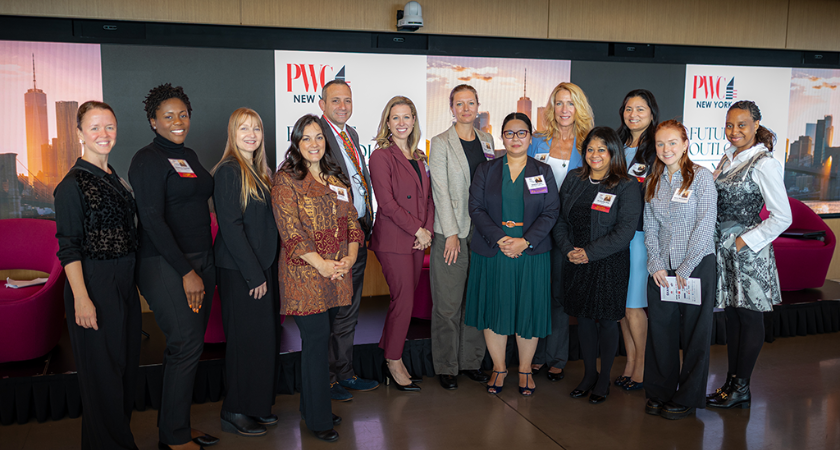
The New York chapter of Professional Women in Construction (PWC–NY) recently hosted an in-depth panel discussion examining the future of New York’s construction and development landscape. The event brought together senior leaders from technology, advisory, engineering, and legal sectors to break down the trends most likely to shape the region’s long-term economic and real estate trajectory.
.jpg)
Held in New York City, the panel looked at four core areas expected to influence the city’s growth: affordable housing, data centers, industrial and manufacturing activity, and the expanding semiconductor sector. Together, these trends reflect both the opportunities and the structural challenges confronting one of the world’s most complex urban markets.
Panelists emphasized the urgency of tackling affordable housing shortages, citing rising demand and limited supply as a continued strain on residents and the broader workforce. They also noted how data center expansion—driven by AI, cloud growth, and increased digital infrastructure usage—requires significant power, land, and zoning coordination.
Manufacturing and industrial redevelopment remain central themes as New York attempts to balance modern logistics and production needs with dense urban neighborhoods. The panel also underscored the importance of semiconductors, particularly as the U.S. strengthens domestic chip manufacturing through federal incentives and major private investments.
.jpg)
Speakers included Katie Birchenough of Micron Technology, Alison Landry of Jacobs, Carl Oliveri of Grassi Advisors & Accountants, and Sheila Pozon of Herbert Smith Freehills Kramer (US) LLP—each bringing deep expertise from their respective industries.
Reflecting on the event, PWC NY board president Schillivia Baptiste said, “This insightful session explored the evolving landscape of New York’s development sectors.”
She added that the conversation offered practical value to professionals navigating the city’s shifting construction ecosystem:
“Engaging with fellow professionals provided valuable perspectives on the opportunities and challenges ahead. It’s clear that collaboration and forward-thinking are essential as we navigate the complexities of urban development.”
Founded in 1980, PWC continues to expand its reach across architecture, engineering, and construction fields. The organization supports members through leadership development, networking programs, and mentorship opportunities that promote advancement and inclusivity across the industry.
This latest discussion aligns with PWC’s mission to provide timely insights and connect industry professionals with the expertise needed to understand the economic and regulatory factors shaping New York’s development future.
Originally reported by DCN-JOC News Services in Construct Connect News.