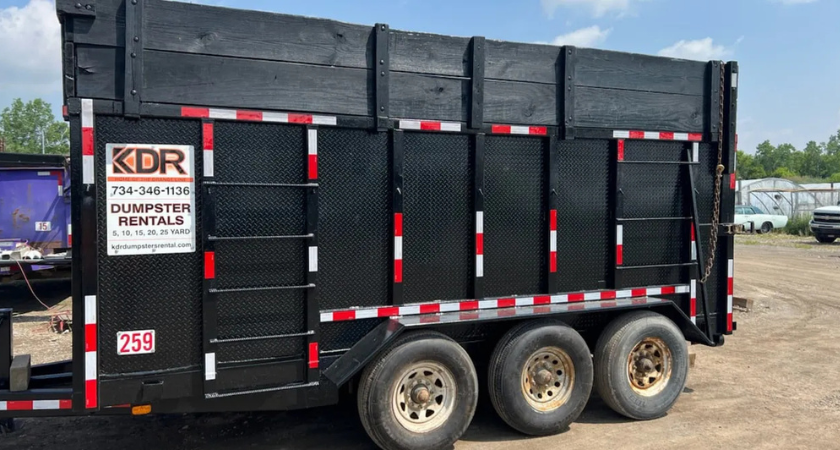
Construction and renovation activity across Southeast Michigan is driving a sharp increase in construction and demolition debris, forcing municipalities, contractors, and waste managers to rethink how disposal is planned, scheduled, and executed.
While new residential construction has remained relatively stable, regional permitting offices and waste facilities report that renovation and remodeling projects are now generating a disproportionately large share of short-term debris. This shift reflects changing economic and housing trends, as homeowners and commercial property owners increasingly choose to reinvest in existing structures rather than relocate or rebuild entirely.
.jpg)
Aging housing stock, elevated interest rates, and broader economic uncertainty have accelerated demand for roof replacements, interior remodels, garage conversions, basement finishes, and outdoor upgrades. Unlike long-term construction projects, these renovations often produce concentrated bursts of mixed debris that must be removed quickly to keep job sites operational, compliant, and safe.
Renovation-driven debris is inherently less predictable than waste from new construction. Contractors frequently encounter unanticipated material volumes when working on older structures, where hidden layers of roofing, drywall, flooring, or framing may only be discovered once demolition begins.
Scope changes, weather delays, and structural surprises can rapidly alter disposal needs, pushing waste planning to the forefront of project management. Increasingly, contractors are coordinating debris removal alongside labor schedules and material deliveries rather than treating waste as an afterthought.
Municipal waste managers note that renovation peaks often overlap with seasonal cleanouts, landscaping projects, and storm debris collection. These overlapping demand cycles strain transfer stations and landfill operations, compressing intake windows and increasing congestion during spring and fall months.
In response, some jurisdictions have adjusted intake schedules, expanded sorting requirements, and updated disposal guidelines to better manage capacity during high-demand periods.
.jpg)
Beyond logistics, job-site safety and regulatory compliance are playing a larger role in disposal decisions. Renovation waste streams typically include a mix of asphalt shingles, treated lumber, drywall, concrete, metals, insulation, and fixtures—each governed by specific handling and disposal rules.
Improper containment can create trip hazards, block access points, increase fire risk, or draw regulatory scrutiny. Overflowing debris areas can also lead to neighborhood complaints and inspection delays.
To reduce these risks, contractors are increasingly integrating dumpster rental service planning directly into project timelines. On-site containers help contain debris as it is generated, maintain cleaner work environments, and reduce safety concerns throughout the duration of a project.
Waste management professionals report a growing preference for short-term, flexible disposal solutions. Renovation and remodeling projects often last days or weeks rather than months, increasing demand for roll-off containers that can be delivered and removed quickly as project needs evolve.
This flexibility allows contractors to match disposal capacity to project scope without committing to long rental periods. Reliable access to appropriately sized containers helps prevent delays that could cascade into missed inspections, postponed trades, or increased labor costs.
From a scheduling standpoint, efficient debris removal supports tighter timelines and minimizes downtime, enabling crews to focus on productivity rather than cleanup logistics.
Environmental considerations are also shaping renovation waste management practices. Many renovation projects generate recyclable or regulated materials, including metals, concrete, asphalt shingles, and treated wood, which must be properly separated to avoid additional fees or rejected loads.
As disposal regulations evolve, contractors and property owners are placing greater emphasis on understanding requirements before work begins. Municipal environmental agencies continue to promote recycling and material recovery initiatives aimed at reducing landfill impact, reinforcing the need for proper on-site containment and sorting.
Local governments across Southeast Michigan are closely monitoring the long-term implications of renovation-driven waste growth. With an aging housing inventory and ongoing economic pressures, elevated debris volumes are increasingly viewed as a structural shift rather than a temporary spike.
To address this reality, municipalities are exploring expanded recycling programs, improved debris tracking systems, and closer partnerships with private disposal providers. These strategies aim to balance infrastructure capacity with the need for timely, responsible waste removal as renovation activity remains strong.
As renovation work continues to accelerate, industry experts emphasize that temporary waste containment is no longer a commodity decision but a strategic component of project execution. Contractors and property owners increasingly rely on disposal solutions that can be deployed quickly, scaled to project size, and removed immediately once work concludes.
Proactive waste planning supports cleaner job sites, improved safety, regulatory compliance, and more efficient project delivery. As debris volumes rise across residential and light commercial sectors, disposal planning is expected to remain a central consideration for contractors, municipalities, and property owners throughout Southeast Michigan.
Originally reported by Waste 360.