The Kraft Group has reached a major milestone in its long-running effort to build a soccer-specific stadium for the New England Revolution, securing agreements with the cities of Boston and Everett, Massachusetts, to move forward with a $500 million construction project.
.jpg)
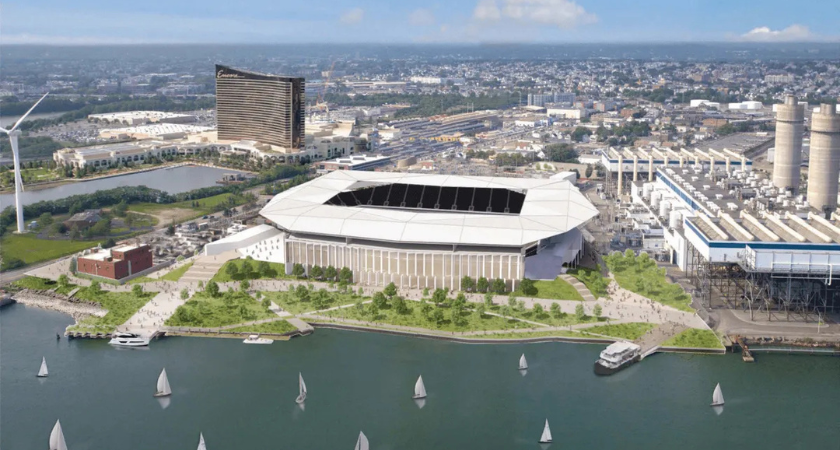
The development would bring a 24,000-seat stadium to a formerly industrial site in Everett, along the Mystic River, and marks a significant step toward providing the Major League Soccer franchise with a permanent home of its own. The Revolution currently share Gillette Stadium in Foxborough with the NFL’s New England Patriots, also owned by the Kraft Group.
According to project documents and reporting by the Boston Globe, the proposal includes not only the stadium itself but a broader redevelopment plan focused on environmental remediation and public access to the waterfront. The site is a decommissioned power station that has long been considered environmentally contaminated, making cleanup a central component of the project.
Plans call for approximately $80 million to be allocated for demolition of the former power plant and environmental remediation, including elevating the site to improve resilience against coastal flooding. An additional $20 million is earmarked for the creation of a 4-acre waterfront park adjacent to the Alford Street Bridge, featuring pedestrian and bicycle paths designed to improve connectivity along the Mystic River.
“Under the agreements, we will undertake significant environmental remediation and demolition of the long-vacant powerplant, invest in extensive traffic and transportation improvements, and deliver substantial community benefits, including millions of dollars towards infrastructure improvements,” the Kraft Group said in the statement. “The project will open the waterfront with the creation of a new public park, strengthen pedestrian and bicycle connectivity, and enhance access to public transit.”
The waterfront park is expected to remain open to the public year-round, expanding recreational space in an area that has historically been inaccessible due to industrial use. Both the stadium and park are slated to be privately funded, a point emphasized during months of public debate surrounding the proposal.
The agreement follows prolonged discussions over land use, environmental impacts, transportation concerns and public benefits. The project’s approval clears a critical path forward after months of uncertainty tied to regulatory and municipal consent.
If construction proceeds as planned, the earliest the stadium could open is 2027, New England Revolution President Brian Bilello told the Boston Globe. The timeline will depend on permitting, remediation progress and construction sequencing on the complex waterfront site.
Once complete, the project is expected to serve as a centerpiece of broader revitalization efforts along the Mystic River, blending professional sports infrastructure with environmental cleanup and public-access improvements.
Originally reported by Sebastian Obando, Reporter in Construction Dive.