Airport owners and infrastructure contractors continue prioritizing landside mobility improvements as passenger volumes, roadway congestion and operational demands increase at major aviation hubs across the United States.
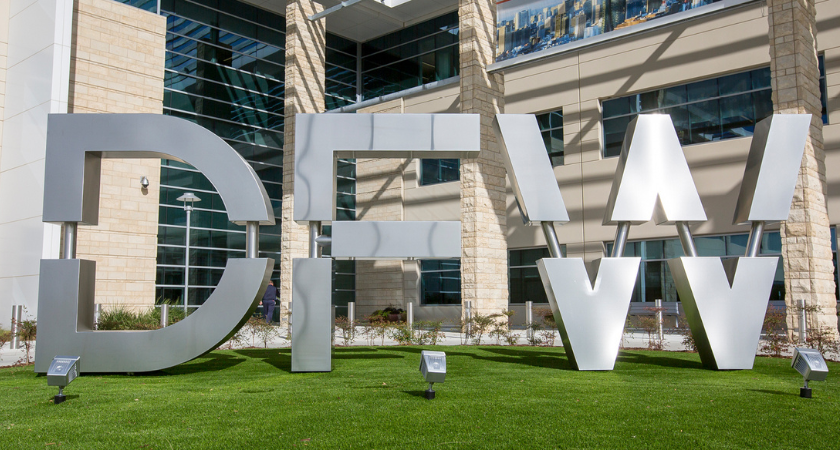
Dallas Fort Worth International Airport recently completed two major roadway and terminal access milestones as part of its long-term DFW Forward capital improvement initiative, with STV and AZ&B, an Ardurra joint venture, supporting delivery and oversight activities across the projects.
The completed work includes the East-West Connector Roadway Project and phased terminal access improvements along International Parkway, both aimed at improving traffic flow and operational efficiency across the airport campus.
The East-West Connector establishes a new 1.65-mile roadway connection between Rental Car Drive and State Highway 360 along the southern portion of the airport.
The corridor is designed to improve east-west mobility by reducing indirect travel routes and supporting access to existing and future airport development areas. Initial construction included a two-lane roadway configuration with four-lane intersection improvements, while future expansion plans include additional widening capacity to address long-term traffic growth.
The project also included construction of the Trigg Lake Bridge and required coordination with regional transportation agencies, including the North Central Texas Council of Governments and the Texas Department of Transportation.
STV and the AZ&B joint venture supported planning, risk management, project oversight and coordination activities as part of DFW Airport’s broader landside infrastructure program.
DFW Airport also completed new right-hand exits into Terminals A, B and C as part of the ongoing International Parkway modernization effort.
International Parkway serves as the airport’s primary vehicular circulation corridor, connecting terminals, parking facilities, rental car operations and regional highway systems.
The phased improvements include upgrades to bridges, ramps, retaining walls, lighting and utility infrastructure intended to improve traffic flow, passenger access and roadway safety throughout the airport complex.
The final right-hand access configuration into Terminal C opened ahead of peak summer travel activity and anticipated increases in passenger traffic associated with major regional events.
For airport owners, transportation agencies and contractors, landside mobility projects remain critical to maintaining operational efficiency and supporting long-term passenger growth.
Complex roadway and circulation upgrades within active airport environments require phased construction planning, coordination with multiple agencies and continuous operational management to minimize disruption. The DFW Airport improvements also reflect broader investment trends in aviation infrastructure modernization as airports expand roadway capacity, improve accessibility and prepare for future travel demand.
Source: STV.