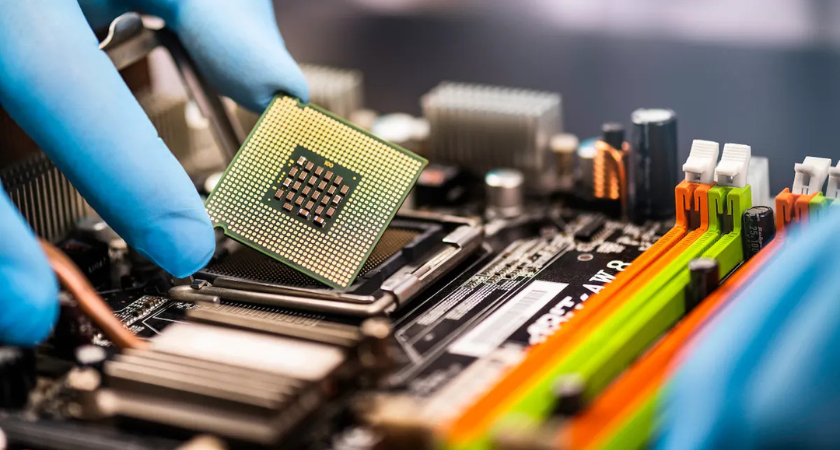
The United States plans to impose new tariffs on semiconductors imported from China beginning June 23, 2027, according to a Federal Register filing, signaling a continued hard line in the long-running trade dispute between the two countries.
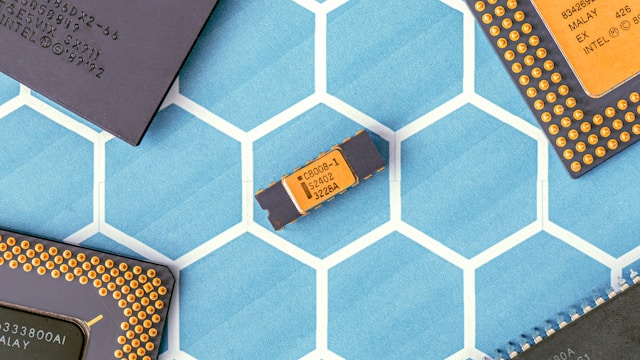
Under the proposal detailed in a Dec. 23 filing, the new tariff will initially be set at 0% and then increase after an 18-month period. The final duty rate will be announced at least 30 days before it takes effect. Once implemented, the tariff will be layered on top of the existing 50% duty already applied to Chinese semiconductors following a prior Section 301 investigation.
The move stems from a Section 301 probe conducted by the Office of the United States Trade Representative into China’s semiconductor-related policies and practices. That investigation was launched last December under the Biden administration as part of a broader effort to address what U.S. officials describe as unfair trade practices affecting critical technology sectors.
Section 301 investigations give the U.S. government authority to impose tariffs, modify trade agreements or apply other trade remedies if a foreign country is found to engage in practices that harm U.S. commerce, according to a Congressional Research Service report.
In the Federal Register filing, the USTR said it is pursuing additional levies because China’s “targeting of the semiconductor industry for dominance is unreasonable and burdens or restricts U.S. commerce.”
The filing further argues that the tariffs are intended to counter China’s “extraordinary control” over the semiconductor sector and the negative effects that control has on foreign competitors and buyers, including companies in the United States. According to the USTR, China exercises influence through political guidance and mandatory directives that apply to both state-owned and private enterprises, creating market conditions that disadvantage global competitors.
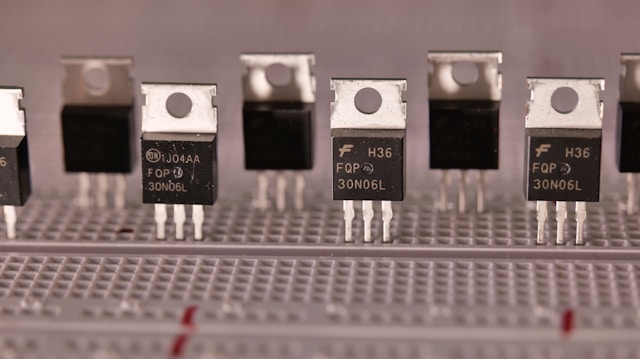
“China’s targeted dominance burdens or restricts U.S. commerce because it undercuts business opportunities for and investments in the U.S. semiconductor industry,” the filing says.
Beyond commercial impacts, U.S. officials cite broader economic security concerns, noting that China’s policies increase dependence and supply-chain vulnerabilities for critical industries such as defense and automotive manufacturing, which rely heavily on steady access to semiconductor components.
The planned tariffs come amid years of escalating trade tensions between the U.S. and China. Both the Trump and Biden administrations have imposed multiple rounds of tariffs and launched trade investigations targeting Chinese imports. While the two countries reached a limited truce in October following heightened tensions earlier this year, significant tariffs remain in place.
In parallel, the U.S. is also examining whether to impose semiconductor tariffs on imports from all countries. Earlier this year, federal officials launched a Section 232 investigation into the semiconductor sector, a process that has historically led to broad, sector-wide tariffs on products such as steel, aluminum and automotive components.
Together, the actions highlight the U.S. government’s increasing focus on reshaping global semiconductor supply chains and reducing reliance on foreign manufacturing for technologies viewed as strategically critical.
Originally reported by Philip Neuffer, Senior Editor in Construction Dive.