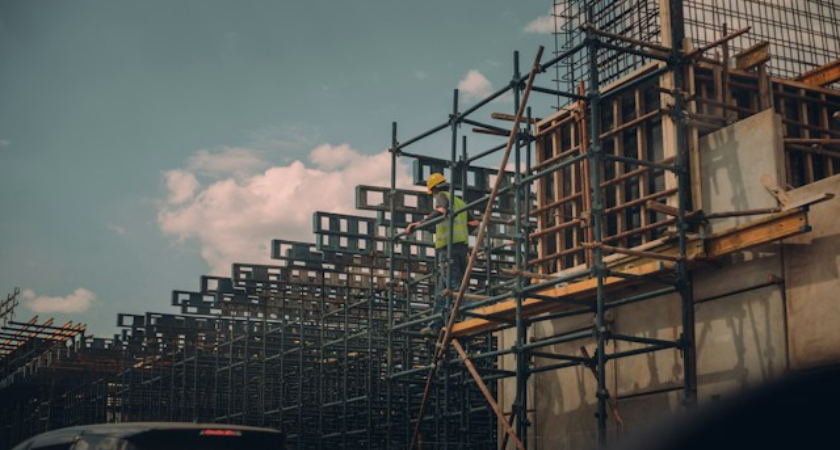
The University of Florida is moving into one of the largest capital investment periods in its history after the Board of Trustees approved more than $2.7 billion for over 700 construction and maintenance projects across campus. The sweeping plan includes major academic buildings, housing expansions, facility upgrades, and key infrastructure improvements — part of a long-term effort to modernize UF for the next generation of students and researchers.
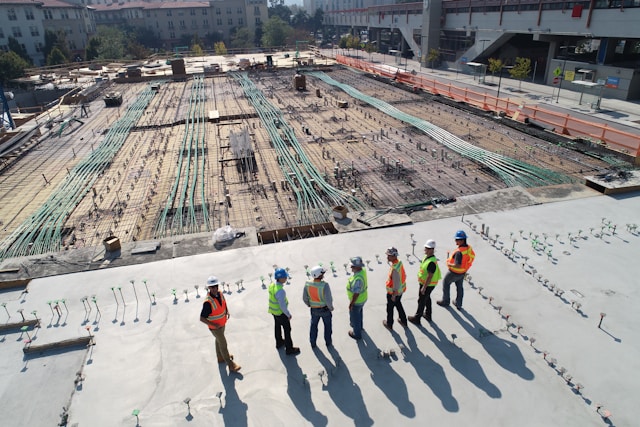
According to university officials, more than $2 billion of the approved amount will support UF’s highest-priority capital projects. That includes two of the most significant initiatives on campus: a $400 million renovation of Ben Griffin Hill Stadium, scheduled through 2030, and another $400 million to build two new residence halls opening in 2028 and 2029.
UF’s capital plan touches nearly every corner of the university, from science and research facilities to recreation and student services. Major projects include:
The university also broke ground Dec. 4 on a $200 million expansion of the Dental Science Building, which will roll out over three phases. The expansion includes exterior renovations, a new 100,000-square-foot instructional and patient care facility, and a full modernization of existing spaces — all set for completion by 2030.
Meanwhile, the long-planned overhaul of UF’s Music Building is estimated at $65 million, with completion targeted for fall 2028. Design collaborators include Bora Architecture of Oregon and Gainesville-based Walker Architects, with Barr & Barr Inc. serving as general contractor.
Smaller-scale projects also make up a sizeable portion of the spending. More than 100 maintenance projects will move forward, totaling roughly $485 million.
UF’s 10-year housing plan aims to add 10,000 new beds by 2030, but Board of Trustees Chair Mori Hosseini made clear he wants a quicker pace, suggesting a five-year timeline instead.
“I’ll be dead by 2029,” he joked during the Dec. 4 meeting. “We gotta move on this … you’re not going to have any issue with the finances. I guarantee it. You guys need to get going with the construction.”
Phase one alone includes more than 5,700 new beds plus the demolition of Trusler, Simpson, and Graham Halls. As of mid-2025, UF had 27 undergraduate residence halls totaling 9,314 beds, along with 624 graduate and family housing units.
Graduate housing plans remain under discussion. Options include new construction or acquiring existing properties — and UF Provost J. Scott Angle suggested that increasing stipends may be necessary to help graduate students better afford the rising cost of living.
The Board of Trustees also voted unanimously to begin the search for a permanent president. Interim President Dr. Donald Landry, who stepped into the role on Aug. 25, is expected to apply for the position.
Landry previously taught at Columbia University and took over just before former interim president Kent Fuchs’ extended contract expired.
Trustees also approved nine tenure-on-hire appointments, including Florida Supreme Court Justice Charles Canady, who will lead the new Hamilton School after resigning from the court on Nov. 14.
UF leaders raised concerns about upcoming reductions in federal student aid, which will hit graduate and professional students hardest. According to Mary Parker, UF’s vice president and chief enrollment strategist:
“Our professional students last year borrowed $105 million in student loans. Our grad students borrowed $67 million, and our undergrad borrowed $47 million. So, we are talking about a significant impact to our new students that will be coming in … it’s not just about their tuition and fees it's about their full living expenses. How do they support themselves through those four, five or six years that they are here.”
Among the federal changes:
UF’s financial aid team is developing strategies to fill these gaps through more institutional and philanthropic contributions.
Despite the challenges, student demand remains high. Undergraduate applications have surged to more than 70,000 for next school year — an increase of 5,000 over last year and the highest since 2022.
Originally reported by Chelsea Long in Gainesville Sun.