Vermont lawmakers are considering significant changes to how housing development appeals are handled, as advocates warn that lengthy legal challenges are worsening the state’s housing shortage.
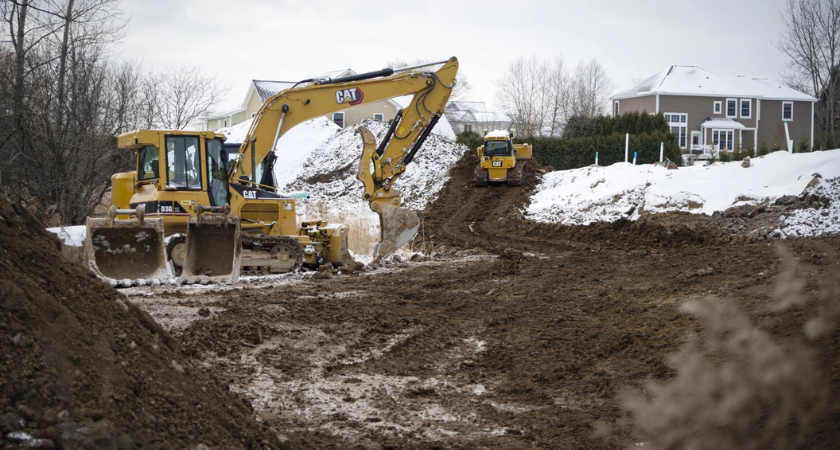
The debate follows a years-long dispute over a proposed 32-home development near Wheeler Nature Park in South Burlington. After developers secured an Act 250 permit in 2022, neighbors appealed the approval, citing concerns about scenic views and wildlife disruption from blasting. The case moved through environmental court and eventually reached the Vermont Supreme Court, which upheld the permit after nearly three years of litigation.
While only a small number of projects face such extended appeals, housing advocates say the threat of drawn-out legal battles discourages builders from pursuing new developments.
“If you have organized opposition that is willing to, you know, do it for the long haul, you’re looking at years,” said Chris Roy, an attorney with Downs Rachlin Martin who represented the developer. “People hear that and, I mean, all predictability is thrown out the window.”
Supporters of reform argue that Vermont’s current appeals system has become one of the biggest obstacles to meeting housing demand.
“The fact that our appeals system is so broken is perhaps the largest remaining regulatory barrier to having a housing system that will meet the state’s needs,” said Miro Weinberger, executive chair of the pro-housing group Let’s Build Homes.
In response, lawmakers are preparing to revisit how appeals are handled during the 2026 legislative session. A recent report from the Land Use Review Board — which now oversees Act 250 — recommends removing appeals from the court system and instead allowing the board itself to review challenges.
Board Chair Janet Hurley said such a shift could significantly shorten timelines by limiting discovery, tightening deadlines and prioritizing housing-related cases.
“We could hopefully get a decision out quicker than the court,” Hurley said.
.jpg)
The report also suggests the board could handle appeals involving both state-level Act 250 permits and related local approvals, further streamlining the process.
Affordable housing developers say delays can have major financial consequences. Kathy Beyer, senior vice president for real estate at Evernorth, said legal challenges to an affordable housing project in Putney added tens of thousands of dollars in costs due to rising construction prices and prolonged legal fees.
“Given our experience with the length of time the appeals have taken to be resolved in the more judicial process… I think it’s worth giving it a try. I mean, we’ve been talking about this for years,” Beyer said.
Not all stakeholders agree on moving appeals out of the courts. Some argue reforms should focus instead on speeding up judicial review by adding staff and enforcing stricter deadlines. Others caution that shifting authority to a politically appointed board could introduce bias.
“You’re going to have the potential for … the tide going in and out as far as who’s on the board over time,” Roy said.
Hurley emphasized that the board is politically insulated and noted that the report recommends delaying any transition until 2028, after the board completes a broader overhaul of Act 250.
Legislative leaders say faster decisions are critical, regardless of the approach.
“The one thing that really is clear to me is that, from the point of view of housing, we want a much faster process,” said Rep. Marc Mihaly, D-Calais. “It’s not a question of nibbling around the edge. It’s really a question of — can we change the system to make it much shorter.”
Originally reported by Carly Berlin in Vermont Public.