Development activity continues to accelerate in Denver’s River North Art District as residential and hospitality projects expand the neighborhood’s urban footprint. The Weitz Company is currently involved in several projects across the RiNo district, contributing to ongoing mixed-use and multifamily construction activity in one of Denver’s fastest-growing submarkets.
The developments include residential, hospitality and mixed-use components located within close proximity of one another.
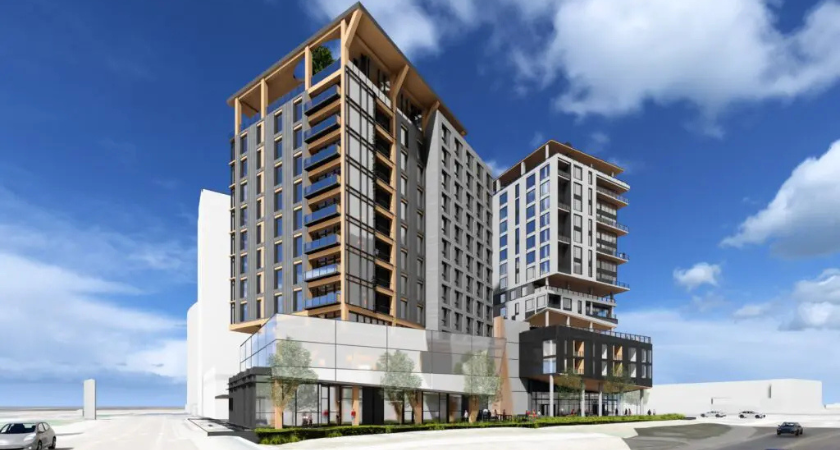
Construction recently began on the 3875 Walnut project, also identified as Rowan, a luxury multifamily development planned for the RiNo neighborhood.
According to project information released by The Weitz Company, the development will add new residential units and amenity space designed to align with the district’s urban growth and mixed-use environment.
The project represents another phase of residential expansion within RiNo, where multifamily construction activity has remained strong as developers continue targeting centrally located urban neighborhoods.
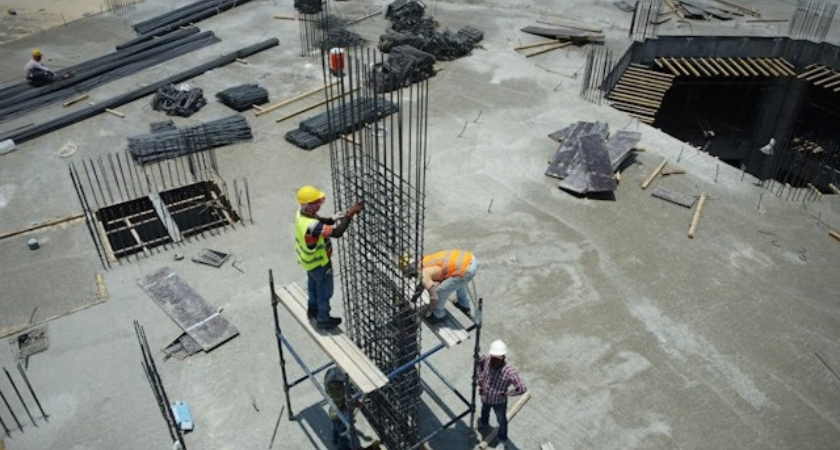
Nearby at 3850 Blake, construction crews recently completed the project’s structural frame, reaching the topping out phase earlier this year.
The milestone reflects ongoing progress on another major development contributing to the district’s expanding skyline and increased density.
Urban infill projects in RiNo frequently require coordination around active streetscapes, adjacent developments and constrained construction logistics associated with high-growth downtown districts.
The Weitz Company also identified a planned hotel development at 3800 Blake that is expected to begin construction around the start of 2027.
The hospitality-focused project is intended to add lodging capacity and public-facing amenities to the neighborhood as RiNo continues attracting residents, businesses and visitors.
Hotel construction activity in mixed-use districts has remained active in markets experiencing sustained population growth and tourism-related investment.
Denver continues to see strong construction demand tied to multifamily housing, hospitality and mixed-use urban redevelopment projects.
Neighborhoods such as RiNo have become focal points for higher-density development because of proximity to downtown employment centers, entertainment districts and transit infrastructure.
Contractors operating in urban redevelopment markets continue managing increasingly complex project sequencing, logistics coordination and phased construction schedules across active neighborhoods.
For developers and contractors, the RiNo projects reflect continued demand for multifamily and hospitality construction in urban infill environments.
The developments also demonstrate how concentrated project activity within emerging districts can drive ongoing opportunities for general contractors, specialty trades and design teams involved in mixed-use growth markets.
Source: Weitz.