Wisconsin’s labor market is showing signs of cooling in early 2026, but the state’s construction sector continues to post steady gains even as broader employment trends soften, according to new data from the Wisconsin Department of Workforce Development.
.webp)
State officials reported Thursday that overall job growth has slowed compared with last year, reflecting both seasonal trends and a broader national economic cooldown. However, construction employment has emerged as a bright spot, adding jobs over the past 12 months.
“The Wisconsin labor market has cooled a bit along with the national economy, but unemployment does remain historically low” in the state, said Scott Hodek, section chief for the Office of Economic Advisors at the department, during an online briefing.
The report estimates Wisconsin had approximately 3,032,500 jobs in January 2026. While that represents an increase of 8,000 jobs from December 2025, it marks a decline of 15,400 jobs compared with January 2025.
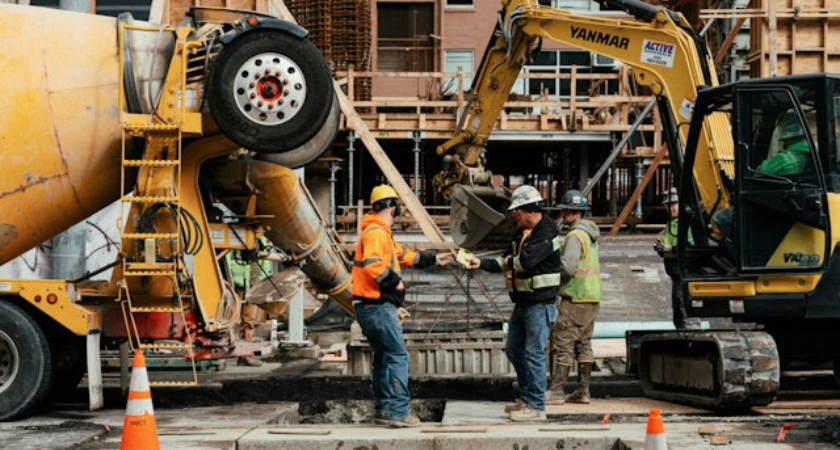
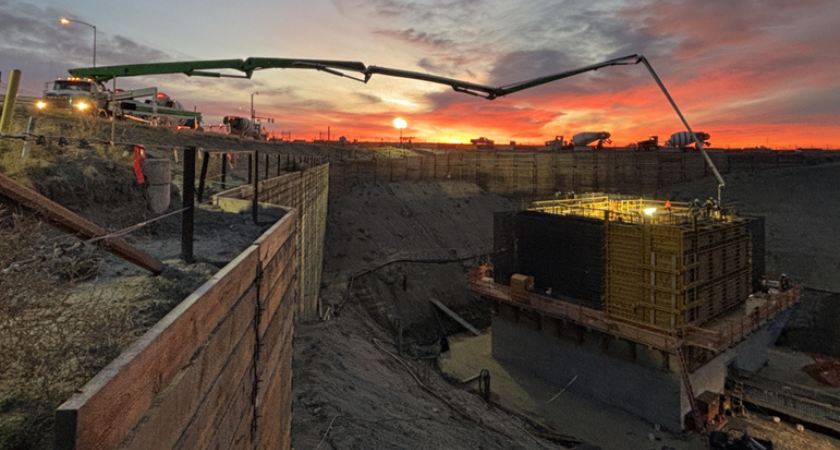
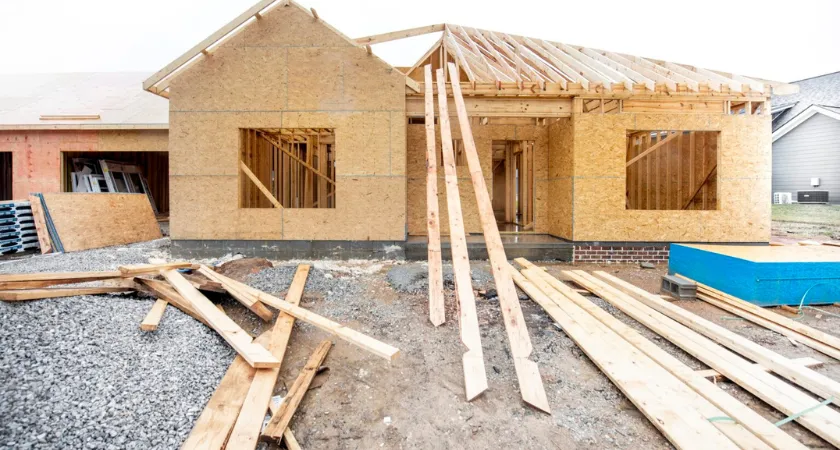
Construction employment, however, moved in the opposite direction. The industry added about 10,000 jobs year over year and saw a monthly increase of 2,400 positions from December to January.
The gains highlight continued demand for construction services despite economic uncertainty and higher borrowing costs that have affected other sectors.
In contrast, manufacturing employment continued its downward trajectory. The sector lost 2,100 jobs in January compared with the previous month and shed 8,600 jobs over the past year. Hodek described the decline as part of “a long-running trend” affecting the state’s industrial base.
The employment figures are based on projections derived from a federal survey of employer payrolls, providing a snapshot of workforce shifts across key industries.
Despite the slowdown in overall job growth, Wisconsin’s unemployment rate remains relatively low. The rate edged up slightly to 3.3% in January, compared with 3.2% in December, and remained unchanged from January 2025 levels.
Labor force participation in the state also remains strong, at 64.3%, exceeding the national average of 62.5%. The metric reflects the share of residents aged 16 and older who are either employed or actively seeking work.
Hodek noted that while the state’s economic trends mirror the national slowdown, Wisconsin has been less affected than other parts of the country.
“That fits what we know of national trends that we have seen so far in the first quarter,” he said.
A separate national report examining hiring activity through February indicates that job openings and hiring rates have declined, while layoffs and separations have remained relatively stable.
.webp)
“Hires have been down and overall openings have been down, and separations have been pretty stable,” Hodek said.
Although similar detailed data is not yet available for Wisconsin, earlier figures suggest the state has maintained a relatively higher rate of job openings and lower rate of job separations compared with national averages.
The January report is the first of three labor updates expected in April. Its release was delayed due to a federal government shutdown that postponed the annual benchmarking process used to revise employment statistics. Updated figures for February and March are expected later this month.
For construction industry stakeholders, the continued job growth may signal resilience in project pipelines, even as broader economic pressures weigh on hiring across other sectors. However, the divergence between construction and manufacturing underscores uneven recovery patterns within the state’s economy.
This article is based on reporting by Erik Gunn, originally published in Wisconsin Examiner.
Source: https://wisconsinexaminer.com/2026/04/02/report-wisconsin-job-market-is-cooling-but-not-as-much-as-the-nations/