Wisconsin’s construction industry is heading into 2026 with strong momentum, as projects launched in 2025 continue forward and a new wave of large-scale developments moves into active construction. Billions of dollars in investment are flowing into the state, driven by data centers, transportation upgrades, energy infrastructure and major commercial and residential developments.
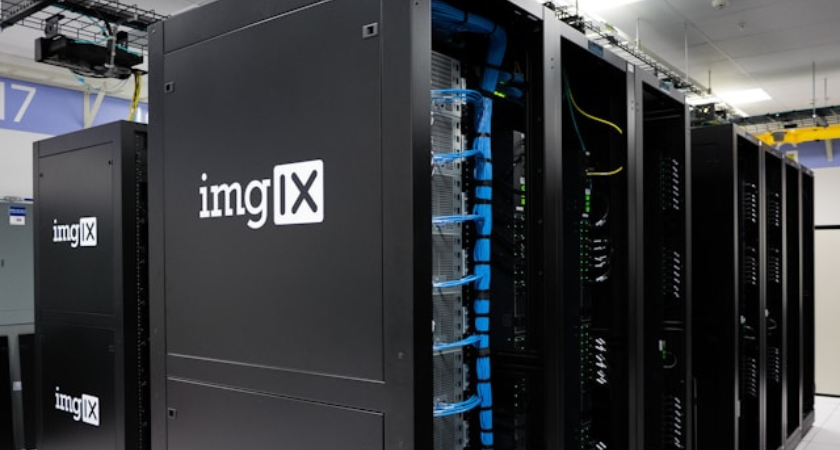
Industry activity reflects broader national trends, particularly the rapid expansion of data centers to support artificial intelligence and cloud computing. According to a 2024 survey by the Associated General Contractors, 58% of Wisconsin respondents involved in data center construction expected project values to rise in 2025, making it one of the most competitive sectors in the state.
Bridge and highway projects followed closely behind, along with multifamily residential and health care construction, where firms projected value increases of 40%, 38% and 38%, respectively. These expectations are playing out across Wisconsin, with major projects scheduled to advance throughout 2026.
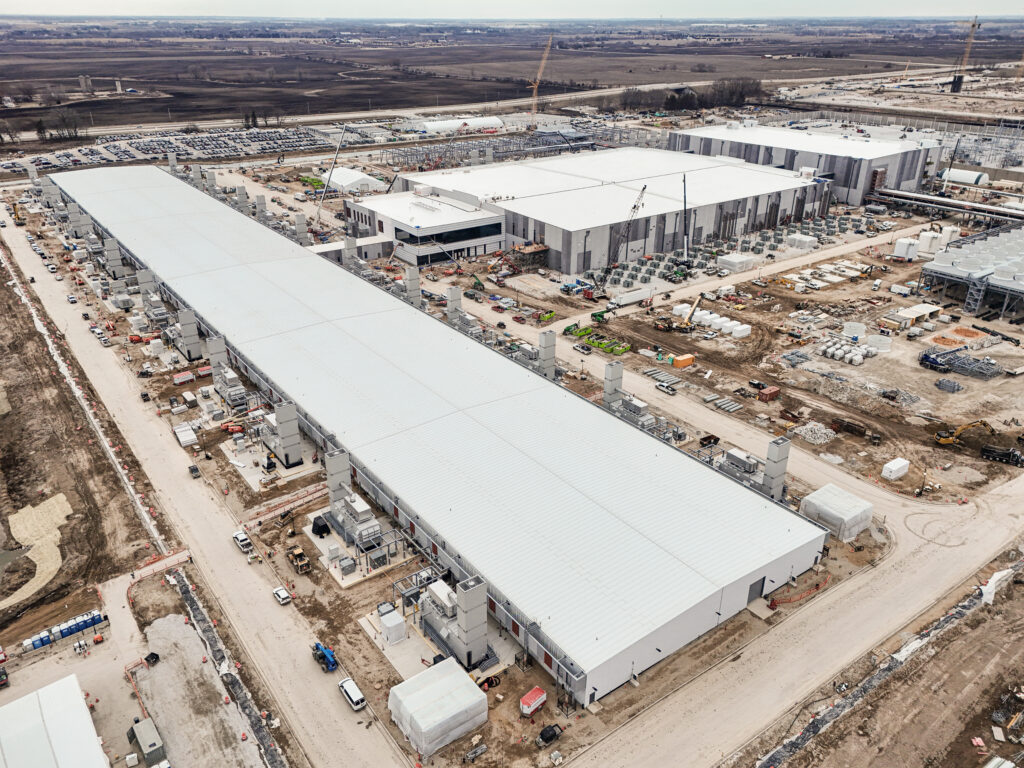
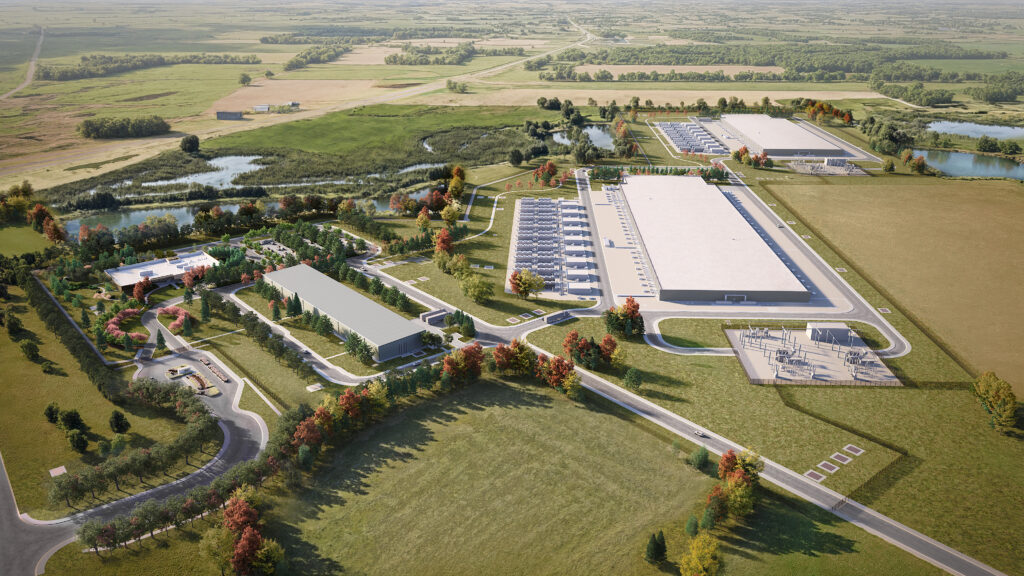
Microsoft remains one of the largest drivers of construction activity in the state. The company began work on its $3.3 billion data center in Racine County in 2024 and is continuing construction after announcing an additional $4 billion investment in a second advanced artificial intelligence-focused facility. Combined, Microsoft’s total investment in Wisconsin now stands at approximately $7.3 billion.
The first Mount Pleasant data center is expected to open in early 2026, while the second facility will be built over the next three years. At peak activity, the initial project employed more than 3,000 construction workers across multiple trades. Once fully operational, the first facility will support roughly 500 full-time employees, with total employment expected to reach about 800 after the second data center is completed.
Meta is also moving forward with a $1 billion data center campus in Beaver Dam, covering more than 500 acres. The project, led by Mortenson, is expected to employ more than 1,000 workers at peak construction and open in 2027. The campus will exceed 700,000 square feet, target LEED Gold certification and match electricity usage with 100% clean and renewable energy. Meta will also contribute $15 million to Alliant Energy’s Hometown Care Energy Fund to assist local families with home energy costs.
Meanwhile, Vantage Data Centers is leading development of the massive “Lighthouse” AI-focused campus in Port Washington, backed by OpenAI and Oracle. The project spans 2,000 acres and will initially include four data center buildings on 500 acres. More than 4,000 construction workers are expected on site at peak activity, with completion targeted for 2028. Officials said the facility will create more than 1,000 long-term jobs and rely fully on local union labor.
Wisconsin will also see major progress on transportation infrastructure in 2026. The Interstate 94 East-West Project in Milwaukee is underway, expanding a 3.5-mile stretch of highway from six lanes to eight and replacing aging interchanges, including the stadium interchange. The project, originally built in the early 1960s, is expected to cost approximately $1.74 billion and modernize one of the state’s busiest corridors, which carries up to 178,000 vehicles daily.
In northeast Wisconsin, reconstruction of roughly 23 miles of Interstate 41 between Oshkosh and De Pere continues. The $1.2 billion project includes widening the highway from four to six lanes, rebuilding interchanges and improving overpasses. WisDOT awarded $306 million in contracts for work between Appleton and De Pere in 2024.
In Madison, the second phase of the John Nolen Drive reconstruction is reshaping the Lake Monona corridor. The multi-year project includes rebuilding six bridges, adding raised medians and narrowing lanes to calm traffic. The effort coincides with a broader redevelopment of the Lake Monona waterfront.
Energy infrastructure will be another major focus in 2026. The Public Service Commission approved construction of a 128-megawatt natural gas plant in the town of Paris in Kenosha County, a project expected to involve up to 5,000 workers over five years. The $300 million Paris RICE project will include seven fast-start reciprocating internal combustion engines to support grid reliability amid growing data center and manufacturing demand.
We Energies is also converting the Oak Creek Power Plant from coal to natural gas. The project, paired with a liquefied natural gas storage facility, represents more than $700 million in combined investment and will employ thousands of workers alongside the Paris project.
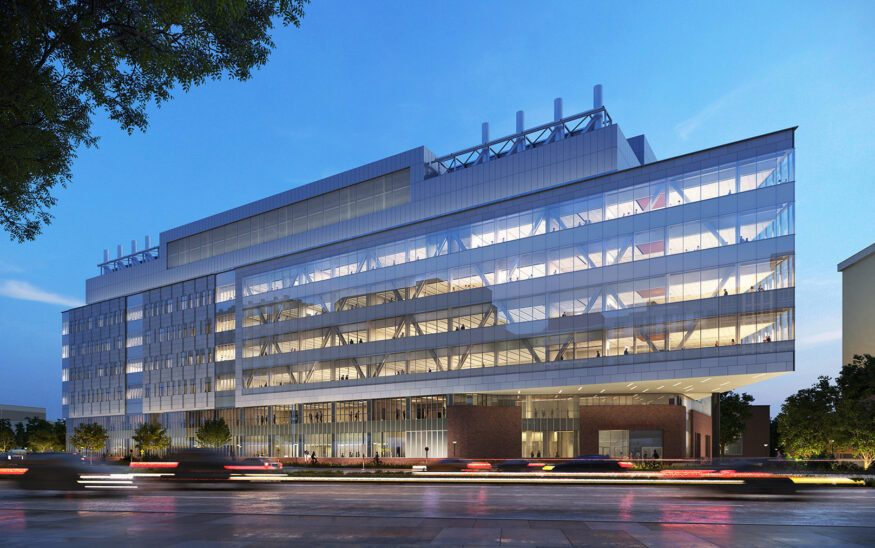
Higher education construction remains active as well. The Phillip A. Levy Engineering Hall at the University of Wisconsin–Madison is moving into its next phases, with more than $89 million in mechanical, electrical and plumbing work bid for 2026. The $400 million, 395,000-square-foot facility will include classrooms, research labs, collaboration spaces and offices.

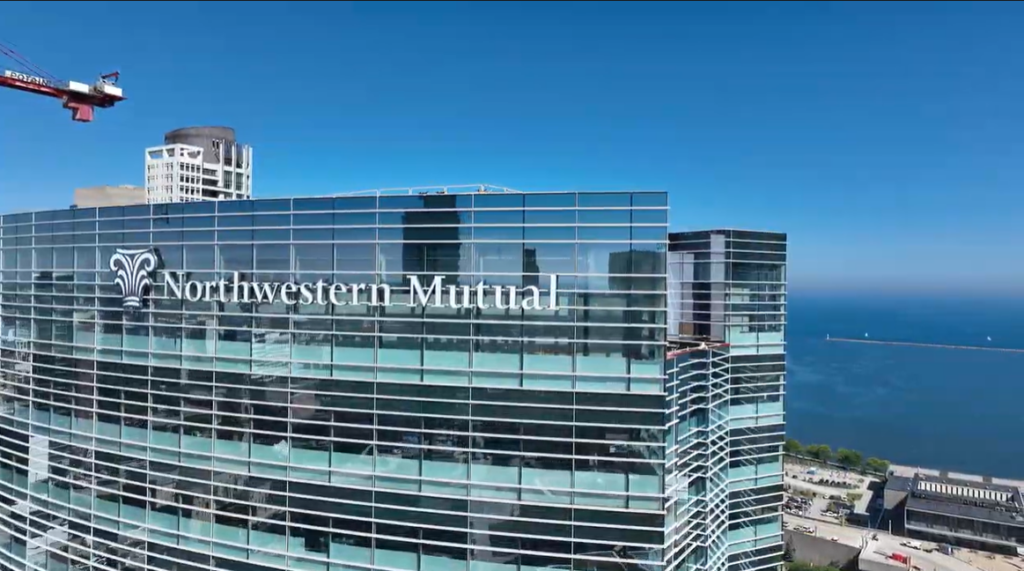
Downtown Milwaukee will see continued redevelopment, including Northwestern Mutual’s $500 million North Office renovation, converting a former office tower into 540,000 square feet of modern workspace. The project is expected to be fully occupied in 2027.
Residential development includes the proposed conversion of the former 100 East office building into 373 apartments, supported by historic tax credits and federal financing, with completion expected in 2027 or 2028.
Cultural investment continues with construction of the $240 million Nature and Culture Museum of Wisconsin, which will replace the Milwaukee Public Museum. The five-story museum is scheduled to open in early 2027 and emphasizes local workforce participation and minority- and women-owned businesses.
In suburban markets, master-planned developments such as Pabst Farms in Oconomowoc and OneNorth in Bayside are moving into new phases, adding housing, retail, health care and mixed-use space. At OneNorth, developers are advancing the next phase of construction, continuing years of investment totaling roughly $200 million.
“From the outset, our vision for OneNorth has been to create a vibrant, mixed use destination that feels authentic to the community, walkable, social and easy for everyday life,” said Scott Yauck, president and CEO of Cobalt Partners, in a statement. “This next phase brings OneNorth’s promise into even sharper focus: an elevated living and working environment surrounded by exceptional amenities that people use on a daily basis.”
Originally reported by Ethan Duran in The Daily Reporter.