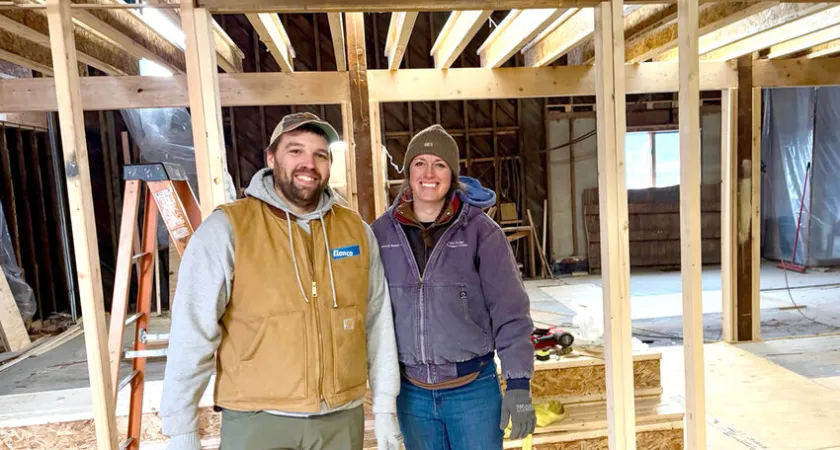
An historical 1913 building in downtown Woodbine is getting new life as it is being remodeled into a veterinary clinic (on the main floor) and short term rental residence (upper story), to launch a new practice in town.
Johanna Pothast has been a practicing veterinarian in Harrison County for 14 years, living in Woodbine.
“Woodbine hasn’t had a veterinary clinic in our town for a very long time, but people in the community were really interested in somehow having one,” Pothast said. “ When I would be out and about, at a local restaurant or the grocery store, people would ask me if I wanted to set up a clinic in town.”
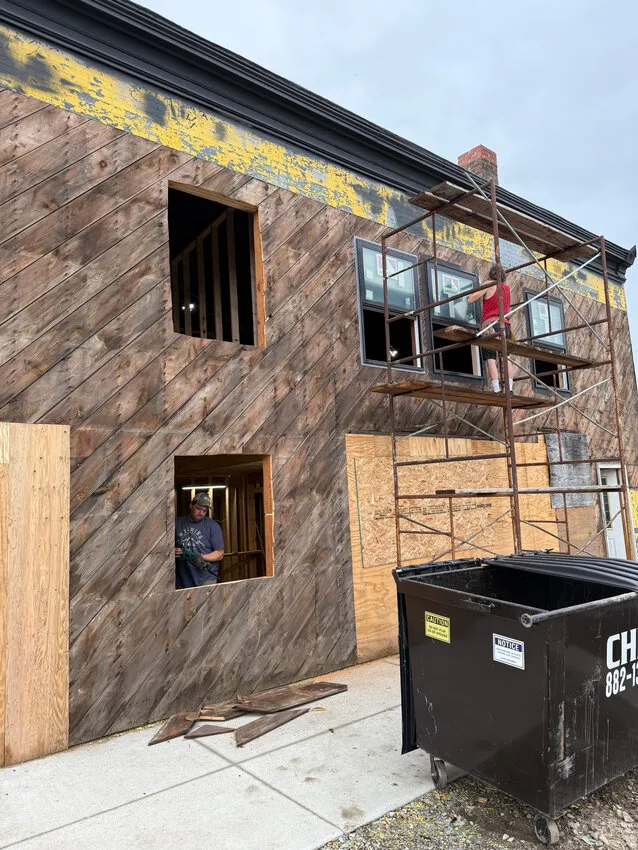
There was one couple in particular who had been asking her for years. That couple happened to owned this dilapidated building along the highway and that planted the seed.
As Pothast's career and caseload grew, she started needing more space to fit her aspirations.
The building has a interesting back story, as it used to be the Woodbine Opera house in the 1880's, built by two men with a broom making company when they settled in Woodbine 140 years ago. A tornado on Easter Sunday in 1913 blew it down, but they rebuilt it.
“I loved the visibility of the old building from the highway and its walkable proximity to the downtown district and the school,” she said.
“The building was also isolated from other buildings and had an empty lot right next to it. I saw so much potential to spread out, with lots of place for clients to park and space to create a nice green area for patients to exercise and relieve themselves.”
For the past two years (starting in the spring of 2023), every square inch of this building has been touched by construction.
“In fact, the whole thing narrowly escaped becoming a pile of rubble, as we had to raise the building 16 inches using multiple car jacks and replace the dirt footings with new concrete ones,” Pothast said.
Pothast started the remodeling process using the small amounts of money she had started making by renting out all of the adjacent storage units on the property and began remediation work. This was when a retired contractor, who she had met volunteering with the humane society did her a favor and came out of retirement.
“He lifted the building 16 inches using bottle jacks. He also became my construction mentor,” she said.
Pothast explained every time it rained, water was leaking into the old basement, so she had the old upper concrete entry pad removed and re-poured. They dug out the foundation and patched the old buried window openings in it with new concrete blocks, because rotted wood and earth was spilling in through them on both sides of the building.
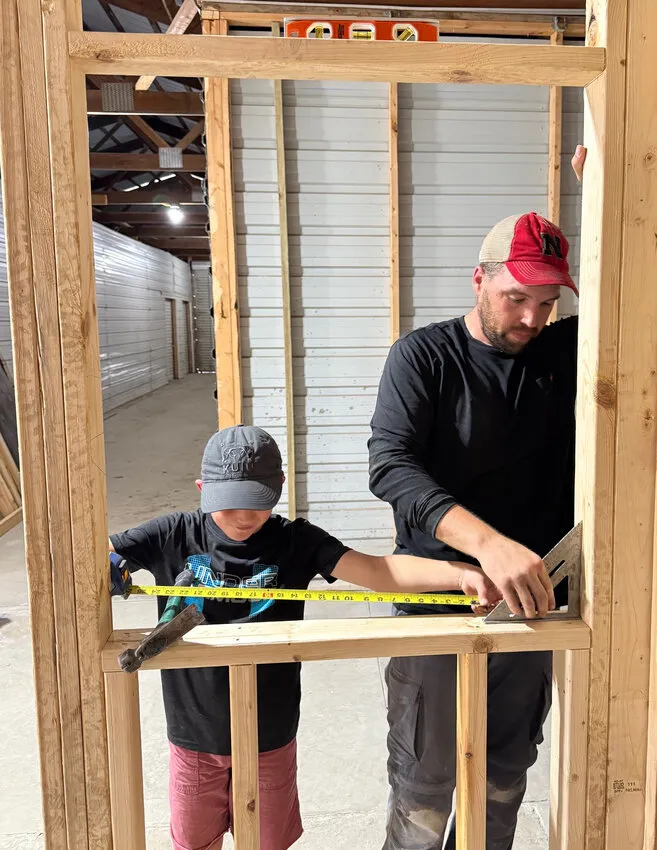
At the time, the property had no sewer service and Pothast had no funding, so she worked on the building with her daughter on evenings and weekends when she wasn’t working her full-time job as a vet.
At the same time, Pothast was doing her best to research the history of the building, in an effort to confirm that this was, indeed, the site of the former Woodbine Opera House.
“After many months of research, I remember finding a hand written postcard and several newspaper articles from 1913 with pictures of my building before and after the 1913 Woodbine tornado in the archives kept by the Woodbine Genealogical Society,” she shared.
Things started to ramp up after this, because the Woodbine city council agreed to bring sewer access to Hawthorne Street to support her project, and she started applying for grants and funding.
Pothast received a grant through the Iowa Economic Development Authority and their Community Catalyst Building Remediation Program to help offset some of the cost of this project. She also applied for and received USDA subsidized loans through the Harrison County Rural Electric Cooperative’s Revolving Loan Fund and a Rural Development Loan through the Iowa Area Development Group.
“Without the assistance from these entities and the support I received from the city of Woodbine, supplementing the sizable personal investment I have made into the project myself and through my family, I would not have been able to even dream about accomplishing this feat,” Pothast said.
By fall of 2024, construction efforts were picking up.
“I left my former practice to take a year off of veterinary medicine and act as general contractor for the building reconstruction in March of 2025,” she said.
The transformation of the long-vacant structure has become a point of pride for Woodbine residents who watched the building deteriorate for decades. Local volunteers, tradespeople and city officials all played a role in keeping the project alive, from arranging utility upgrades to helping uncover pieces of the building’s past. The project reflects a broader movement in small Iowa towns to repurpose historic properties rather than lose them to demolition.
Trackside Veterinary Clinic will open on April 1, 2026.
Pothast said right now they are installing floors, building the reception desk and lobby shelving, building cubbies for the staff room, and preparing to hang cabinets in eleven different areas along with installing trim and doors.
“We are also working on staff recruitment, development of our medical records keeping system, ordering equipment, developing the website, and development of team training materials for orientation, which will be in mid March,” she added.
Trackside Veterinary Clinic is the main business and occupies the main floor of the building.
The second floor apartment is called “Rail Perch” and is a two bathroom, three bedroom apartment that will be available to house veterinary students on preceptorships, pet families who want to stay in town to be close to their hospitalized pets, visitors to Woodbine, and “foamers” who are interested in trains, history, and railroad heritage. Pothast said the plan is to have Rail Perch ready by summer.
Pothast said her favorite part of the project has been discovering the history of the building; why it was originally built and by whom, how it was affected by devastating natural occurrences and how the community rallied to rebuild it, this story has really fueled her.
Designing the floor plan of the veterinary clinic and upstairs apartment was complex she said because she wanted to design around the historical elements; designing the floor layout around the original cast iron elevator lift; showing off the original chimney in the lobby; and one of the three veterinary exam rooms around a 1913 inscription in the plaster. The reception desk built from the wood saved during demolition.
“I love historical preservation and I feel like we’ve saved some of our community’s heritage,” she said.
ADDITIONAL Side Note: As of April 1, 2026, Dr. Jack Gochenour, his wife Kris, and their long time veterinary technician, Christine are retiring from long, successful careers in Missouri Valley at their business, Willow Park Veterinary Clinic.
Johanna Pothast has purchased Willow Park and will be reopening a short-time following Jack’s retirement, once they have recruited and trained the proper staff.
Originally reported by Jenna Comes, Mapleton Press in Missouri Valley Times.