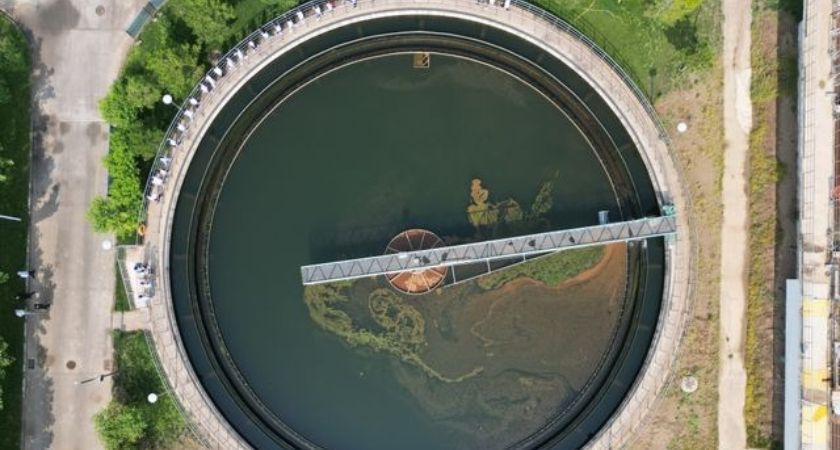
Jacobs and PCL Construction have been selected to upgrade San Francisco’s largest wastewater treatment facility through a project estimated at $1 billion by the San Francisco Public Utilities Commission (SFPUC). The investment will add advanced treatment capabilities at the Southeast Treatment Plant to reduce nitrogen discharges, helping the utility meet environmental requirements while protecting San Francisco Bay.
The Southeast Treatment Plant Nutrient Reduction Project will upgrade the existing facility to reduce total inorganic nitrogen in treated wastewater before it enters the environment. Nutrient reduction is a key objective for improving water quality in San Francisco Bay.
The plant treats nearly 80% of the city’s wastewater, making the project a significant investment in municipal water infrastructure. The improvements are intended to support updated state and federal environmental requirements and complement other nutrient-removal investments, including a new treatment facility on Treasure Island.
Jacobs will deliver the work in a joint venture with PCL Construction under a progressive design-build arrangement, bringing design and construction activities together within a coordinated delivery structure.
The project team faces the challenge of modernising a major treatment facility while it continues processing wastewater. Construction planning will need to account for existing plant operations, treatment requirements and the integration of upgraded systems into the operating facility.
Jacobs brings experience delivering water and wastewater design-build projects, including previous upgrades for SFPUC. The company has also completed more than 150 design-build water projects and programmes, including modernisation work at major water reclamation facilities in California.
The scale and operational demands of the Southeast Treatment Plant make coordination among the owner, designers and construction teams central to project delivery.
Alongside the infrastructure improvements, Jacobs will support SFPUC’s Social Impact Partnership through investments in local health, education and workforce training and development. The programme is intended to create community and economic benefits alongside the project’s environmental outcomes.
For public utilities and infrastructure contractors, the project illustrates how large wastewater investments can combine treatment upgrades, regulatory compliance and local workforce initiatives. Reducing nutrient discharges while maintaining service will be a key measure of successful delivery.
Source: Jacobs.