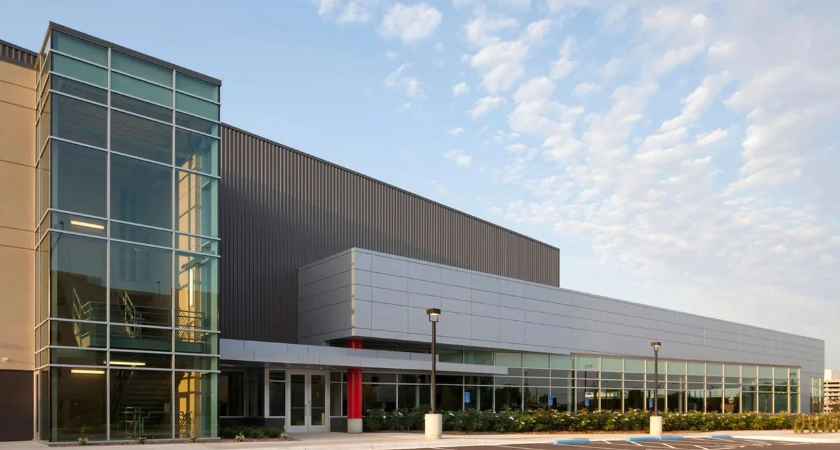
Modernizing an operational semiconductor fabrication facility presents challenges beyond conventional industrial construction, particularly when production equipment, cleanrooms and critical utility systems must remain functional. Mortenson addressed these requirements during upgrades at Polar Semiconductor by coordinating construction activities with facility operations, maintenance and manufacturing schedules.
The project affected nearly every area of the campus, requiring a coordinated approach to infrastructure improvements rather than treating the work as an isolated expansion.
Utility interruptions were a major planning consideration. Although individual shutdowns could last only a few hours, production equipment required additional time to ramp down and return to full operating capacity.
Mortenson worked with Polar Semiconductor's facilities, operations and production teams to identify affected systems, establish shutdown procedures and coordinate outage schedules.
Planning measures included:
One significant milestone involved transferring the P1 substation. The team reduced the anticipated outage duration from approximately 30 hours to 12 hours through detailed preparation and coordination.
The modernization program required construction and semiconductor manufacturing equipment installation to proceed concurrently. While construction crews upgraded utilities and renovated facility spaces, Polar Semiconductor was relocating and installing production tools.
Equipment movements introduced changing electrical loads and utility requirements, requiring adjustments to infrastructure planning and construction sequences.
Mortenson coordinated installation schedules with Polar Semiconductor to preserve access routes and prepare designated areas for equipment deliveries. Some spaces remained unfinished longer than initially planned to accommodate tool relocation and installation activities.
This approach allowed equipment installation and construction work to progress together rather than treating them as separate project phases.
The project team also coordinated temporary infrastructure requirements and adjusted plans as facility conditions and production needs evolved.
The project demonstrates the coordination required when industrial upgrades take place inside an active manufacturing environment.
Mortenson aligned construction, utility shutdowns, maintenance activities and equipment installation to support continued facility operations. The work required ongoing communication among construction personnel, facility managers and production teams.
For semiconductor facility owners, planning considerations include evaluating the full production impact of utility interruptions, documenting existing conditions, coordinating equipment installation with construction schedules and establishing temporary utility arrangements.
Semiconductor facility modernization involves complex dependencies between building infrastructure, production equipment and operational continuity. Uncoordinated shutdowns or equipment movements can affect manufacturing schedules beyond the duration of construction activities.
Mortenson's work at Polar Semiconductor illustrates how detailed outage planning, flexible construction sequencing and coordination with facility operations can support infrastructure upgrades in active manufacturing environments.
Source: Mortenson.