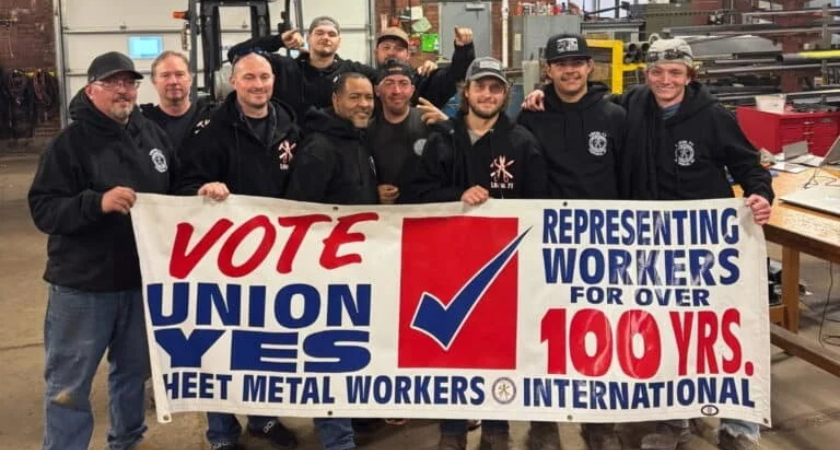
Workforce representation and collective bargaining are gaining attention in western New York's industrial services sector after employees at Niagara Industrial Mechanical Services voted to join SMART Local 71. The 9-4 result in an Oct. 8 election marks a significant organizing milestone for the union's regional local.
The campaign began in late July after a Niagara Industrial welder contacted SMART Local 71 to learn about union representation. Local 71 Subsidized Organizer Adam Kerr met with the employee in early August to discuss workplace concerns, employee rights under the National Labor Relations Act and the National Labor Relations Board (NLRB) election process.
Employees raised concerns about changes to workplace compensation and benefits, including the elimination of annual bonuses, reductions involving the company's 401(k) programme, shorter working hours and employees being asked to pay for their own Occupational Safety and Health Administration training.
The organizing effort expanded through weekly meetings and employee referrals. Workers helped identify colleagues to approach and played an active role in communicating information about union representation.
By early September, approximately 80% of the workforce had signed union authorization cards. Local 71 filed its election petition with the NLRB on Sept. 10. Organizers continued meeting with employees and answering questions in the weeks leading up to the vote.
Local 71 leadership and SMART International organizers supported the campaign. Business Manager and Financial Secretary-Treasurer Tim Benes, Business Agent Mike Nelson and Vice President Eric Nichols were among those involved in the effort.
The Oct. 8 vote secured union representation for the workers and marked Local 71's first NLRB election victory in more than 10 years.
The next phase will focus on negotiating an initial collective bargaining agreement covering employees at Niagara Industrial Mechanical Services. The agreement will establish the terms and conditions of employment through negotiations between worker representatives and the employer.
The vote highlights the role of employee organizing in shaping compensation, benefits, workplace protections and collective bargaining in the industrial services sector. For mechanical contractors and other construction-related employers, workforce representation can influence labour relations, retention and how workplace concerns are addressed. The upcoming negotiations will determine the specific terms of the workers' first collective agreement.
Source: Smart.