Integrating rail service with surrounding transportation infrastructure is a critical consideration for transit owners developing multimodal facilities. Connecticut's new Windsor Locks station addresses this requirement by bringing passenger rail, bus service, roadway access and pedestrian and bicycle facilities together in a single transportation hub.
STV supported the project through program and construction management, civil engineering and traffic engineering services. The station is part of continued investment in the Hartford Line and is intended to improve connections between downtown Windsor Locks, regional employment destinations and Bradley International Airport.
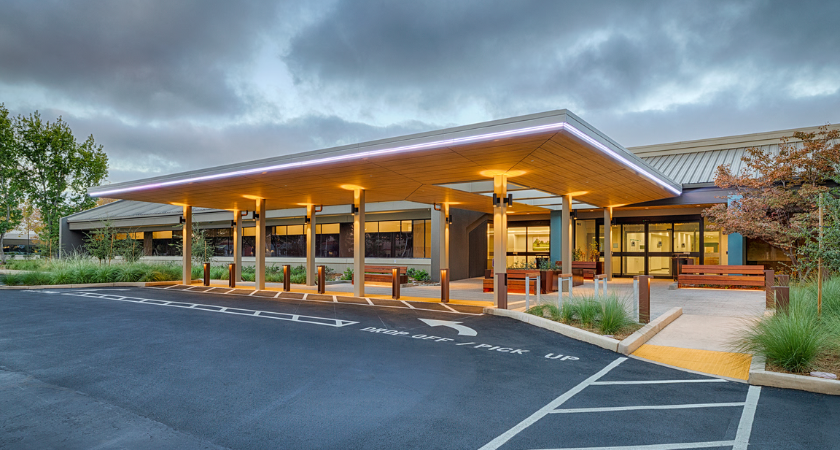
The station includes an accessible passenger platform, passenger amenities, bicycle and pedestrian facilities, roadway improvements and connections to airport-serving bus services.
One of the project's major engineering considerations involved the Bridge Street railroad crossing, located immediately south of the station. Train movements at the crossing trigger railroad preemption, temporarily adjusting nearby traffic signal operations to keep vehicles clear of the tracks.
Increased rail activity and additional station-related vehicle movements required an assessment of how train operations could affect traffic queues and surrounding intersections.
STV used VISSIM traffic microsimulation to evaluate these interactions. The analysis considered rail preemption, traffic volumes, roadway geometry and signal operations together rather than examining individual intersections independently.
The modeling informed proposed traffic signal modifications and supported decisions involving station-area signage, pavement markings and related civil improvements.
Geotechnical and hydraulic specialists also contributed to the multidisciplinary project effort, addressing additional technical requirements associated with station development and surrounding infrastructure.
The station's opening represents a significant milestone in the Hartford Line investment program, although additional track construction associated with the broader corridor project continues.
The phased work requires coordination between active rail operations, roadway infrastructure and multiple transportation modes. Engineering teams must account for how changes to one part of the network affect other components, particularly where rail crossings and signalized intersections operate in close proximity.
For transportation agencies and infrastructure owners, the project illustrates the importance of evaluating station access, traffic operations and regional connectivity as interconnected elements of transit infrastructure.
Windsor Locks demonstrates how station development extends beyond passenger platforms and terminal facilities. Roadway capacity, pedestrian access, bicycle infrastructure, bus connections and rail operations all influence the performance of a multimodal transportation hub.
The use of traffic simulation also highlights the value of evaluating complex rail and roadway interactions during project planning. For owners managing transit corridor improvements, coordinated engineering and phased construction planning are important to integrating new facilities into existing transportation networks.
Source: STV Inc.