A major step forward in Southern California transit expansion has been achieved with the selection of a construction management team for the Pomona to Claremont extension of the Metro A Line, signaling continued progress toward one of the region’s key rail infrastructure projects.
The Foothill Gold Line Construction Authority has awarded a $6.3 million preconstruction contract to SSH Joint Venture, a team composed of major infrastructure contractors including Skanska USA Civil West California District along with additional joint venture partners. The agreement covers early-stage construction planning and design coordination for the 2.3-mile light rail extension.
The contract is structured under a Construction Manager at Risk delivery model, which brings the contractor into the project during the final design phase. This approach allows the selected team to provide constructability reviews, cost estimating and engineering input before final pricing is established and full construction begins.
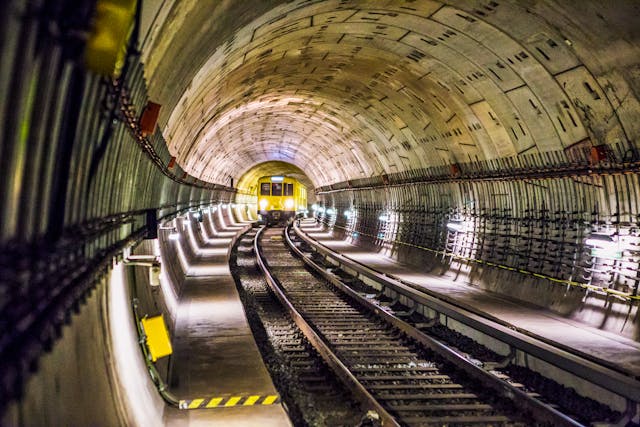
The Pomona to Claremont extension represents a continuation of the broader Metro A Line corridor expansion, designed to enhance regional mobility and provide additional transit access to residential, educational and commercial areas in Los Angeles County’s eastern corridor.
According to project officials, major construction is anticipated to begin as early as late 2027, pending final design completion and contract negotiations. Once underway, the construction phase is expected to span approximately four years.
The early involvement of the construction manager is intended to reduce project risk, improve cost efficiency and ensure that final designs align with real-world construction conditions. This delivery method has become increasingly common in large transportation infrastructure projects where complex right-of-way constraints and utility coordination require early contractor engagement.
The project is part of a broader trend in U.S. transit development, where public agencies are prioritizing phased delivery models to manage cost uncertainty and improve schedule reliability. Rail extensions of this type typically require extensive coordination with existing rail operators, utilities and local municipalities, making preconstruction planning a critical phase in overall execution.
Funding for the extension is supported through regional transportation investment programs, reflecting continued public commitment to expanding rail infrastructure as part of long-term mobility and emissions reduction strategies.
For construction owners and developers, the Pomona to Claremont rail extension highlights growing opportunities in large-scale public infrastructure delivered through collaborative contracting models.
The Construction Manager at Risk structure places increased emphasis on early contractor involvement, meaning owners must engage construction partners during design development rather than after plans are finalized. This shift requires stronger preconstruction capabilities, accurate cost modeling and deeper integration between design and construction teams.
Contractors and owners involved in transportation infrastructure are likely to see continued demand for expertise in rail systems, utility relocation and urban corridor construction, particularly as agencies expand transit networks while managing cost pressures and scheduling risks.
Originally reported by Foothill Goldline Construction Authority in PR News Wire.