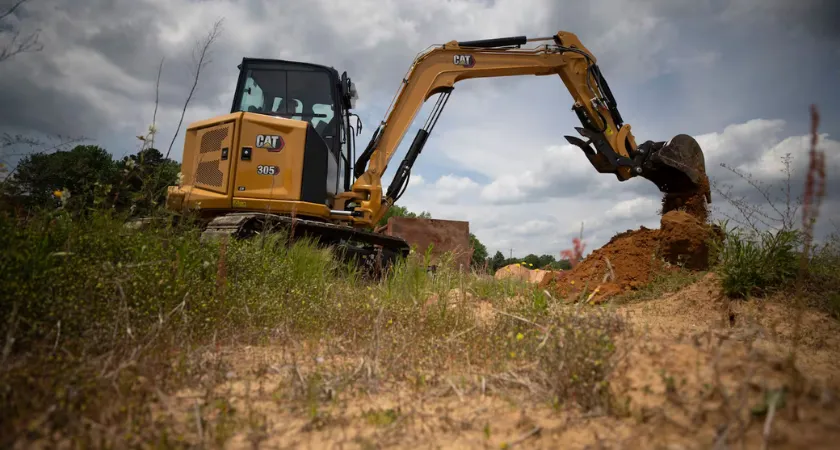
KANSAS CITY, Mo. (KCTV) – Missouri’s Attorney General is suing a Kansas City construction company for damaging a Spire gas line.
Attorney General Catherine Hanaway filed the lawsuit against Homoly Construction, claiming the company violated state underground safety laws at a worksite on Terrace Street.
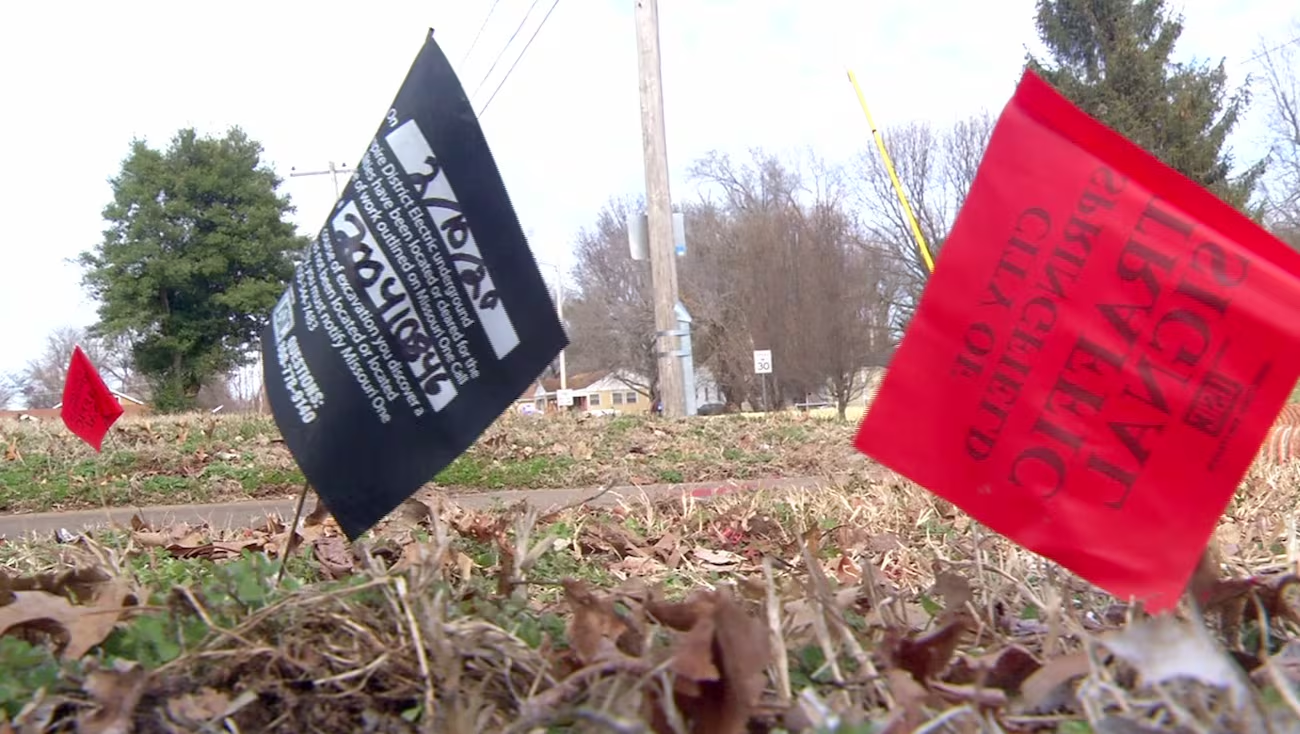
Snow covered the worksite on Feb. 9, 2024, making underground utility markings unusable, according to the lawsuit filed in Jackson County Circuit Court.
The suit claims that Homoly Construction started digging anyway, without notifying Missouri 811 – the state’s utility notification center.
The company then struck a Spire gas line during excavation, according to the petition.
State regulators say Missouri 811 requirements are designed to prevent exactly this type of incident. When markings are hidden by snow, contractors are required to pause work and request that utilities re-mark the area before excavation resumes. Investigators allege that did not occur at the Terrace Street project, creating what officials described as a serious public safety risk in a dense Kansas City neighborhood.
State law requires excavators to call Missouri 811 at least 2 business days before digging. Excavators must also notify the center if weather or other conditions make markings unusable.
Violations carry penalties of up to $10,000 per day.
The lawsuit seeks to stop Homoly Construction from future violations.
It also demands that the company pay the $10,000 penalty.
The AG wants all company managers and supervisors to complete online and in-person safety training through Missouri 811’s excavator education program.
Homoly Construction has strongly disputed the claims, saying it does not perform the type of work described in the lawsuit. The firm indicated it was surprised to learn it had been named in the filing and suggested the state may have targeted the wrong business entity. Legal experts say such disputes over contractor responsibility are not uncommon in utility strike cases, particularly when multiple subcontractors are present on a job site.
A court appearance has been set for 9 a.m. on June 2.
Homoly Construction claims the suit was filed in error.
“Our company does not do any trenching and we have received no such notice,” Andrew Homoly, President of Homoly Construction, told KCTV5.
Court records show that a summons has not yet been issued; however, the company and the address of its headquarters are listed on the lawsuit.
No further information has been released.
Copyright 2026 KCTV. All rights reserved.
Missouri 811 is a free statewide service that coordinates with gas, electric, water and telecom providers to mark underground lines before any digging begins. Utility strikes can cause explosions, widespread outages and costly repairs. According to state data, dozens of such incidents occur each year, many linked to contractors who fail to make the required call or who ignore weather-obscured markings.
Attorney General Hanaway’s office has increased enforcement in recent years, arguing that penalties are necessary to change industry behavior. The lawsuit seeks not only a fine but also mandatory training, signaling a focus on prevention rather than punishment alone.
If the court sides with the state, Homoly Construction could face escalating daily fines and be required to overhaul its internal safety policies. The case could also set a precedent for how aggressively Missouri pursues excavators when snow or rain hides utility paint lines—a common winter problem across the Midwest.
Legal analysts note that the company’s denial raises questions about whether another subcontractor may have been responsible for the digging. Discovery in the case is expected to include work orders, subcontract agreements and Missouri 811 call logs to determine who was in control of the site.

Spire officials have not disclosed the cost of repairing the damaged gas line, but similar incidents have led to temporary evacuations and service interruptions. Neighborhood residents reported smelling gas on the day of the strike, according to emergency dispatch records referenced in the petition.
The June hearing will determine whether the case proceeds to trial or is resolved through settlement and compliance measures.
Originally reported by Sarah Motter in KCTV 5.