
Baltimore has taken a major step toward accelerating housing construction by officially eliminating citywide parking minimums — a longstanding requirement that forced developers to build a set number of off-street parking spaces for new residential or commercial projects.
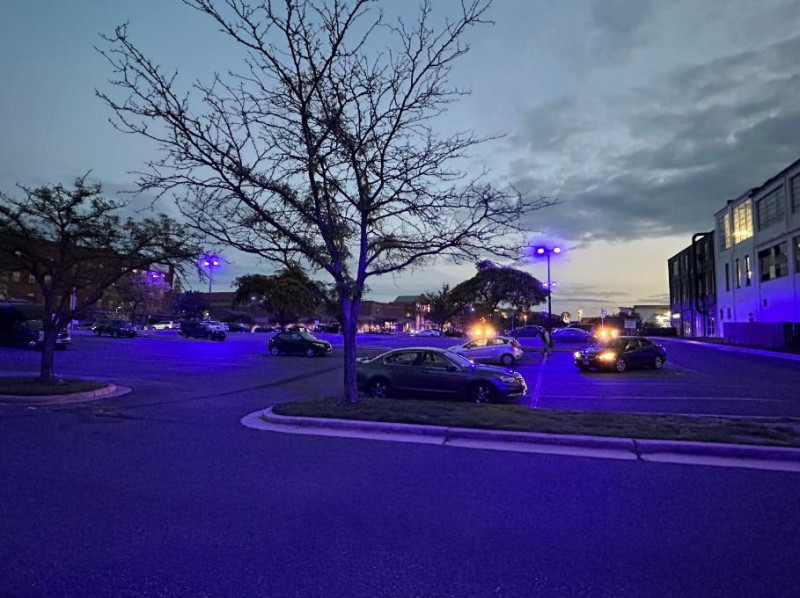
The legislation, introduced by Council Member Zac Blanchard in May and signed into law by Mayor Brandon Scott in early November, aims to remove costly barriers to housing production and open the door for more flexible, land-efficient development. The policy change is one of several efforts underway to lower construction costs and increase housing supply across the city.
For years, Baltimore’s zoning code mandated minimum parking requirements that added significant costs to nearly every new development. Reports show that surface parking spaces can add at least $15,000 per spot, while below-grade parking can cost $35,000 to $100,000 per space. These costs are typically passed on to future renters and homeowners, ultimately discouraging new housing supply.
By ending the mandates, the city allows developers to build only the amount of parking their projects actually need. Supporters say the move not only reduces upfront construction expenses but also frees up land for homes rather than car storage.
Removing the requirement, supporters argue, also makes infill development — new housing on vacant or underused land — more feasible. Without mandatory parking lots, many previously challenging sites become buildable again.
During a September public hearing, some residents voiced concerns that the change would worsen neighborhood parking conditions. However, research and local observations show that parking minimums typically result in oversized parking lots that sit empty, especially in walkable or transit-friendly areas.
Large paved lots come with their own problems: heat absorption, litter, unsafe walking conditions, and the opportunity cost of using valuable land for parking instead of housing or community amenities.
The policy’s supporters argue that regulations — not true demand — have historically driven the oversupply of parking. With the law change, market demand will determine appropriate parking levels.
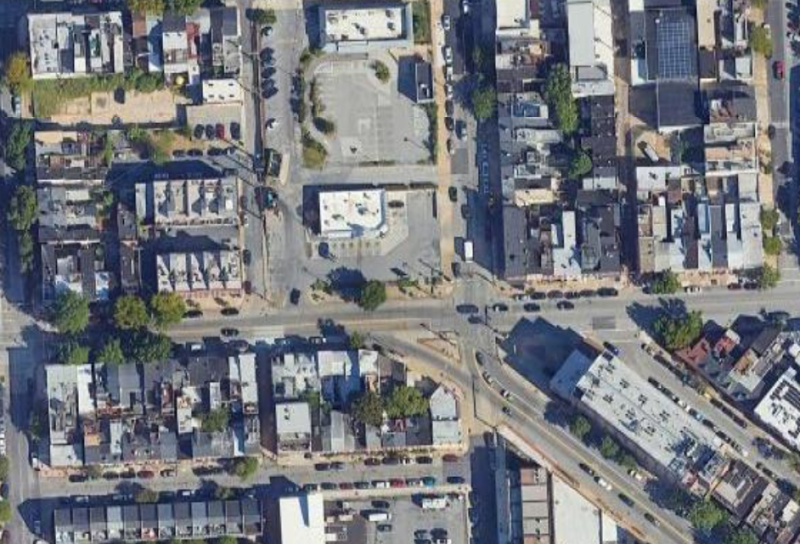
City Council Bill 25-0065 gives developers more discretion in determining the amount of parking appropriate to their project, rather than adhering to uniform standards that often don’t align with local conditions.
By removing the mandate, the city hopes to promote more compact designs, encourage walkable neighborhoods, reduce total development costs, and better align land use with housing goals. The law also ensures that required accessible parking, governed by state and federal ADA regulations, remains protected.
Signed on November 3, 2025, the bill is expected to reduce pressure on developers to construct large surface lots and incentivize projects that make better use of Baltimore’s urban land — including affordable housing options. City officials note that this shift could help curb housing pressures and align with climate and transportation goals by reducing sprawl and supporting transit-oriented growth.
Baltimore joins a growing list of U.S. cities eliminating or scaling back parking minimums in hopes of stimulating growth and enabling more sustainable development patterns. More flexible parking rules could allow stalled projects or tight urban sites to move forward, making way for missing-middle housing, multifamily projects, adaptive reuse, and mixed-use redevelopment.
Advocates believe the law underscores the urgency city leaders feel around housing production and the need to cut through outdated regulatory barriers that hold back construction.
The change also complements broader state-level initiatives around affordability, transportation, and smart urban growth, reinforcing Baltimore’s efforts to modernize its zoning approach and redirect development toward more efficient and people-focused urban design.
Originally reported by Cory Russell in GG Wash.