According to Skanska, the U.S. construction market — its most successful business — is “fragmented.”
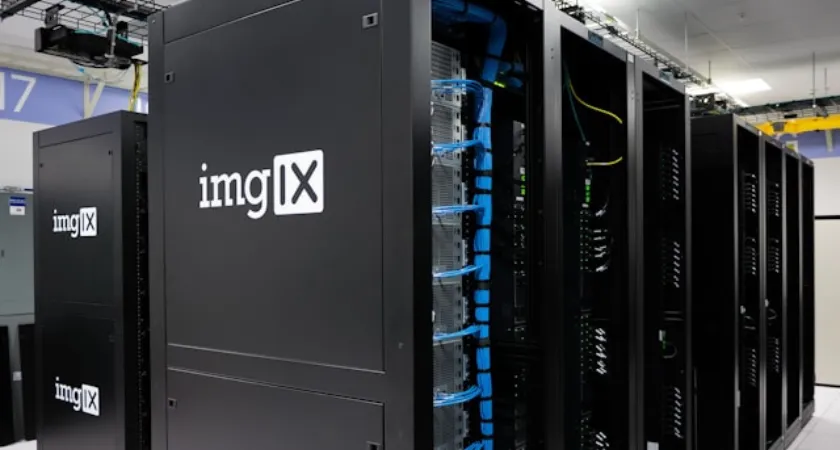
However, in the firm’s fourth quarter and full-year 2025 earnings report, released Feb. 6, the Stockholm-based contractor said it remains bullish on specific sectors, namely data centers and civil construction.
In addition to high demand for data center projects, largely fueled by the artificial intelligence boom, Skanska also sees “continuing investment from our repeat clients,” President and CEO Anders Danielsson told Construction Dive.
.webp)
“We saw here in the fourth quarter that we took close to 10 billion Swedish [krona] in order intake for data centers. So, we are well-positioned to take advantage of that.”
Skanska’s earnings report shows it won $9.5 billion krona ($1.05 billion) in new global data center projects in Q4.
Danielsson added that he doesn’t believe there is an AI bubble that would impact data center development.
“We don’t see any signs of this that the market will slow down,” he told Construction Dive.
Fragmentation comes into play in other sectors impacted by economic uncertainty, leading project owners to hesitate to break ground. For Skanska, Danielsson said, “social infrastructure” jobs, such as schools, hospitals and airports, largely feel those impacts.
Managing a diverse portfolio has been key to Skanska’s construction strategy.
“I think the organization has been consistent with our strategy to be selective in the market and go for projects where we see that we have a competitive advantage, a good track record, a good relationship with the client and also the right organization in place,” Danielsson said.
Skanska’s construction operating margins hit 4.1% for the year, exceeding the firm’s goal and beating 2024’s 3.5%.
“To be on that level requires that we continue to be consistent with our strategy,” Danielsson said. “But also I can see some opportunity for growing the business.”
As construction bolsters Skanska’s performance, the commercial property development market has weighed on it.
In Q3 2025, for example, Skanska had charges of 700 million krona to adjust the value of commercial assets, specifically in the U.S.
But, during a Feb. 6 earnings call, Danielsson described Q4 as a “very successful divestment quarter” for commercial property development.
Skanska offloaded eight commercial properties in Q4, Executive Vice President and CFO Pontus Winqvist said during the call.
“If you’re looking into the commercial development portfolio, I would say a more representative profit content is looking into our unrealized values that we have than to take what we actually delivered this quarter,” Winqvist said.
The call was Winqvist’s first as CFO, following the departure of Jonas Rickberg in November. Rickberg had assumed the position in January 2025.
Skanska reported 2.98 billion krona in operating profit for Q4, up 8.4% for the same period a year prior. For its full fiscal year 2025, Skanska recorded an operating profit of 7.24 billion krona, a 2.2% increase from 2024.
Construction continued to lead the way. In Q4, 2.5 billion krona — or around 80% of the total operating profit — came from construction work.
Backlog in Q4 remained historically elevated, Danielsson said during the call, with 257.9 billion krona in work won to close out the year. Compared to Q4 2024, backlog was down from 285 billion. In the U.S., Skanska reported 23 months of work in the pipeline.
Skanska’s confidence in the data center sector reflects a broader industry shift as hyperscale cloud providers and AI firms race to expand computing capacity. Analysts note that contractors with experience in complex, energy-intensive facilities are increasingly prioritized, a trend that has benefited large global builders such as Skanska.
The company’s selective approach to bidding has allowed it to maintain healthier margins than many competitors despite ongoing volatility in materials pricing and labor availability. Executives emphasized that long-term client relationships, particularly with technology and public-sector owners, have helped stabilize workloads even as other commercial segments soften.
While commercial property development remains challenging, Skanska’s leadership indicated that asset sales and disciplined valuation adjustments are helping rebalance the portfolio. The firm continues to target projects where it can pair development expertise with construction execution, especially in urban mixed-use and infrastructure-adjacent properties.
Looking ahead, Skanska expects civil infrastructure and energy-related construction to complement data center growth. Transportation upgrades, power generation and grid modernization are seen as natural extensions of AI-driven demand, positioning the contractor for multi-year opportunities across North America and Europe.
Originally reported by Zachary Phillips, Editor in Construction Dive.