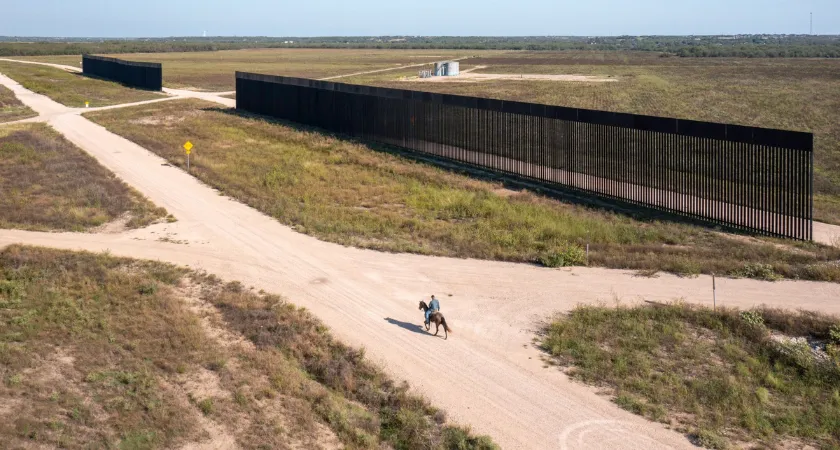
Construction activity is ramping up in the Big Bend region as federal contractors prepare to add a new segment to the U.S.–Mexico border wall, a project that has reignited long-standing debates over security, environmental protection and private property rights.
The remote stretch of West Texas, known for sweeping desert landscapes and the winding Rio Grande, has historically seen little physical barrier infrastructure. That is beginning to change as surveyors mark routes and heavy equipment moves closer to ranchlands and protected wildlife corridors.
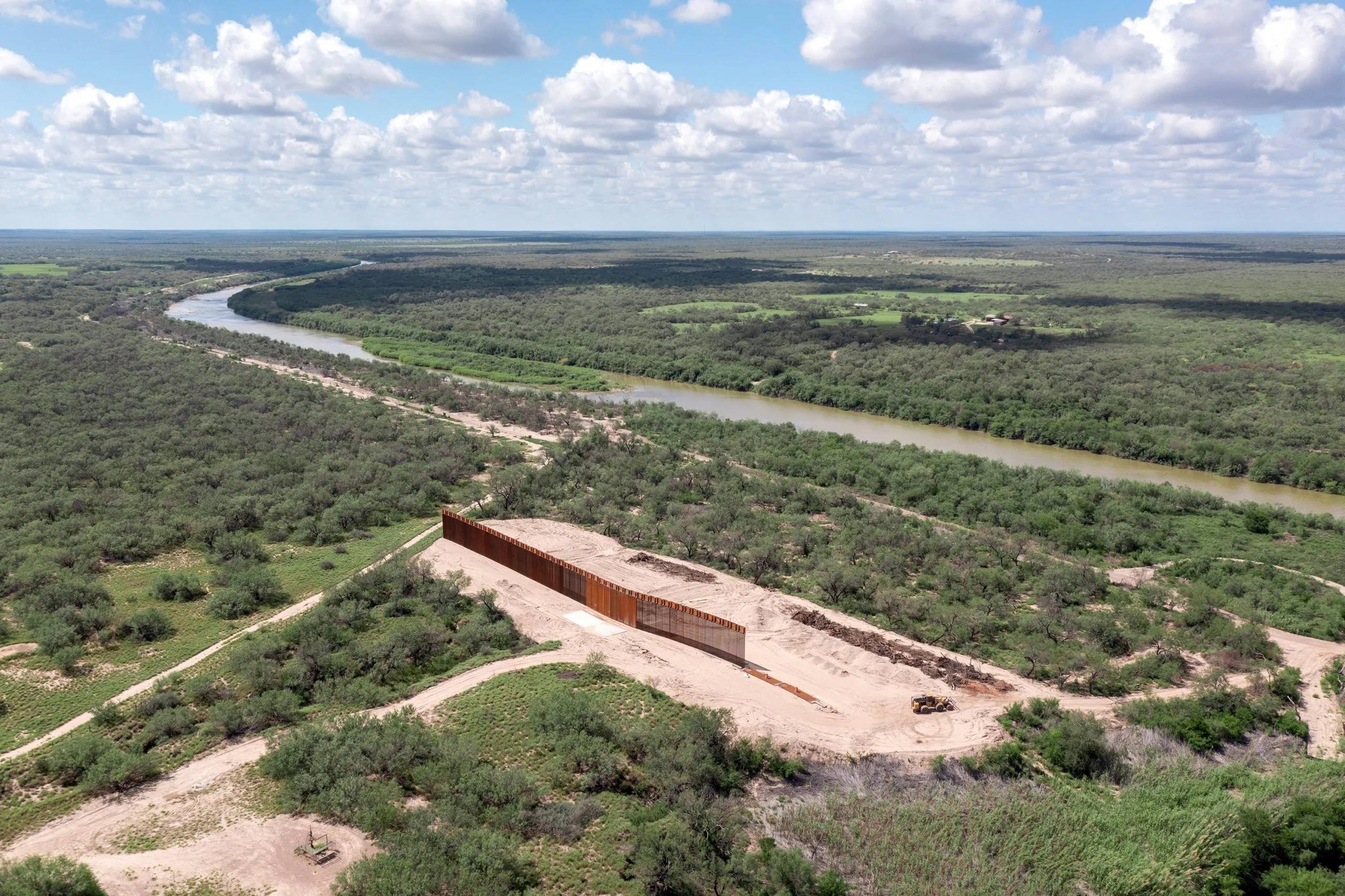
Local landowners and conservation groups say the project threatens one of the state’s most ecologically sensitive areas, warning that even limited construction could fragment habitat and alter the character of a region that relies heavily on tourism.
Sam Karas, who reports for the Big Bend Sentinel, told Texas Standard that residents are still trying to determine exactly what the federal plans entail and how much land could be affected. Many families in the area have ranched the same properties for generations.
Construction crews are preparing to build a new section of border wall in the Big Bend region, one of Texas’ most remote and ecologically sensitive areas. Local landowners and environmental advocates are raising concerns about habitat disruption and long-term impacts on tourism and ranching.
Karas explained that while officials describe the project as limited in scope, its footprint could be far larger once access roads, staging areas and maintenance corridors are factored in. The uncertainty has left many residents uneasy about what comes next.
The Big Bend economy depends heavily on visitors drawn to Big Bend National Park, the Rio Grande and the area’s dark-sky reputation. Business owners worry that a fortified border landscape could discourage travelers seeking open space and natural beauty.
Environmental organizations have also sounded alarms about potential damage to wildlife migration routes. The region is home to black bears, javelinas and rare bird species that move freely across the international boundary.

Advocates argue that the Big Bend is unlike other border regions where fencing already exists. They say rugged canyons and river corridors have long served as natural barriers, making large-scale construction both unnecessary and harmful.
Karas noted that community meetings have grown more tense as timelines accelerate and federal agencies provide limited public detail. Some residents have begun organizing to challenge land surveys and eminent domain proceedings.
The border project arrives as Texas continues to play a central role in national immigration politics. State leaders have pushed for expanded physical barriers, while critics contend the strategy ignores humanitarian and environmental costs.
Elsewhere on Texas Standard, the program examined new medical guidance on abortion exceptions, technology helping blind sports fans follow live games, and Latino community celebrations around Bad Bunny’s Super Bowl halftime show.
A documentary on Llano County’s library book battles and a profile of blues pioneer Dr. Hepcat were also featured, highlighting the mix of culture and politics shaping conversations across the state.
Despite the range of topics, the Big Bend wall segment remained one of the most closely watched stories of the week, reflecting how border policy continues to touch nearly every corner of Texas life.
For residents along the Rio Grande, the coming months will determine whether construction proceeds as planned or becomes tied up in legal and environmental challenges.
Originally reported by Texas Standard.