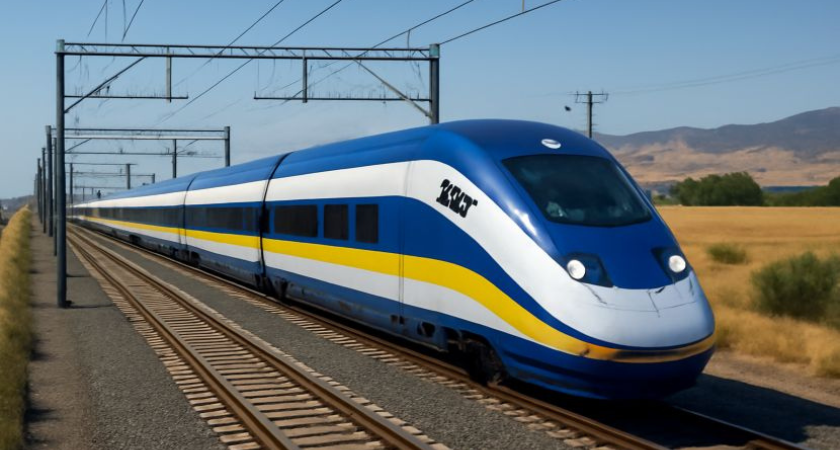
The California High-Speed Rail Authority (CHSRA) has taken a major step forward on the state’s ambitious high-speed rail program with the release of the first Request for Proposals (RFP) for track and systems work—an estimated $3.5 billion contract that initiates construction of one of the most critical segments in the Central Valley. This milestone moves the project toward installing electrified track and advanced rail systems for future service between Merced and Bakersfield.
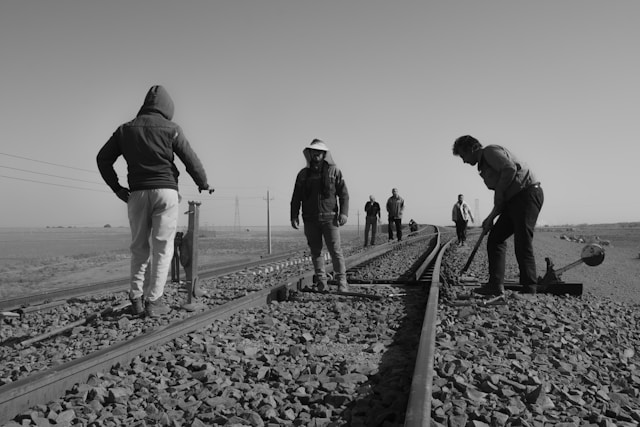
The newly issued RFP covers the full installation of high-speed rail track, train control technology, communications systems, and overhead contact systems needed to operate electrically powered trains. Once completed, this segment will support trains running at speeds up to 220 mph, forming the backbone of the nation’s first true high-speed rail operation.
Project leaders say the RFP’s release represents a long-awaited shift into systems construction, which will proceed alongside ongoing civil works across the Central Valley.
The track and systems contract is divided into nine phases, aligning construction with the pace of guideway completion. This phased delivery model ensures crews can lay track, install control systems, and complete electrification work section by section while civil structures continue elsewhere along the 119-mile corridor.
This contract will also include extensive testing and certification, ensuring trains can operate at full speed safely before service begins. The RFP follows formal approval from the CHSRA Board of Directors, marking the beginning of the procurement process for one of the most technically complex segments of the project.
CHSRA leaders say the RFP aligns with their strategy to accelerate the program through streamlined procurement and direct purchasing of specialized materials. The Authority has increasingly emphasized “smarter, faster, and more cost-effective construction methods” to keep the project on track.
With this step, the CHSRA expects to lay the first high-speed rail track in the Western Hemisphere by next year, making California the first state in North America to install true high-speed infrastructure.
Another major advancement is the completion of the 150-acre Central Valley Railhead Facility in Kern County. Serving as the primary logistics hub for the project, this facility will receive materials by freight rail and distribute them along the entire Central Valley corridor.
The railhead’s location at the southern end of the alignment allows for efficient staging, reducing delivery times and supporting the Authority’s push for faster construction.
Construction continues at a steady pace across the Central Valley. To date:
These segments form part of the wider 171-mile corridor between Merced and Bakersfield. Meanwhile, environmental planning and clearance work is progressing on other sections that will extend the full system north and south.

Ultimately, the full high-speed rail system will stretch 494 miles from San Francisco to Los Angeles and Anaheim. Environmental clearances have already been approved for 463 miles—a milestone that places California’s project among the most advanced transportation megaprojects in the U.S.
Since construction began, the project has generated more than 16,100 construction jobs, with most of them filled by workers from the Central Valley. On peak days, as many as 1,700 workers are active on job sites throughout the region.
These jobs provide long-term economic benefits for surrounding communities and strengthen California’s skilled construction workforce.
When complete, the high-speed rail line will dramatically reshape mobility across the state by offering a fast, efficient, and zero-emission alternative to car and air travel. Electrified trains are central to California’s clean transportation goals, helping reduce greenhouse gas emissions and cutting reliance on fossil fuels.
Travelers will be able to move between major cities significantly faster—linking regions, supporting economic growth, and offering a sustainable option for future generations.
California’s $3.5 billion track and systems contract represents one of the most important steps in developing the state’s high-speed rail network. With momentum building across the Central Valley and new procurement strategies in place, the CHSRA is positioning the project to deliver the first true high-speed rail service in North America.
Travelers and stakeholders can follow ongoing developments through the California High-Speed Rail Authority’s official project updates.
Originally reported by Travel and Tour World.