Construction contractors across the Carolinas are beginning to incorporate somatic awareness techniques into jobsite safety programs as firms look for new ways to address fatigue, stress and human-performance risks in high-pressure work environments.
The growing focus follows increased industry discussion around the connection between physical stress responses, mental overload and safety performance on active construction sites.
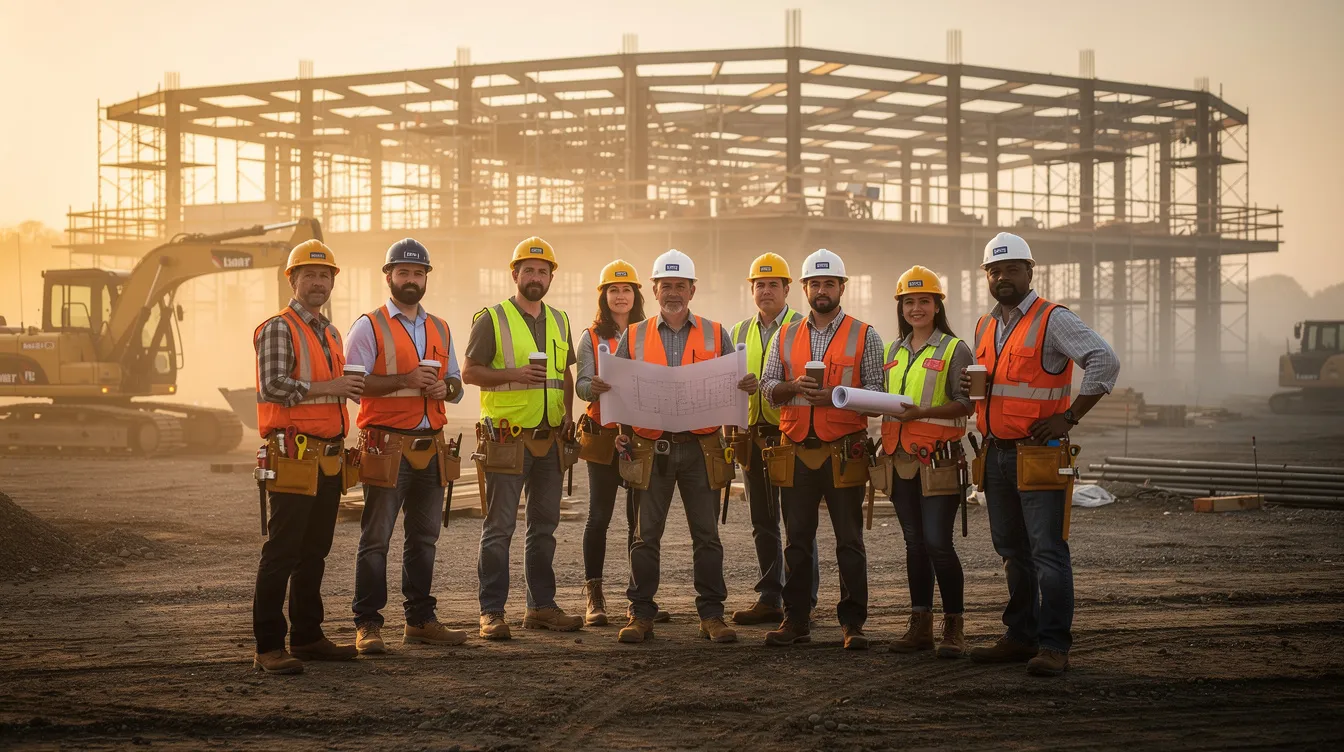
Industry educators and workforce advocates describe somatic awareness as the ability to recognize physical signs of stress and overload in real time, including shallow breathing, muscle tension, tunnel vision, rushed movement and mental fatigue.
Supporters say those body-based indicators can provide early warning signs before workers experience lapses in concentration, communication breakdowns or unsafe decision-making during critical tasks.
Contractors across North and South Carolina continue facing demanding project schedules tied to data centers, transportation work, industrial facilities and large commercial developments.
Summer heat, humidity, long commutes and extended shifts are also contributing to elevated fatigue levels for many field crews.
Safety leaders increasingly warn that cumulative stress — often referred to as allostatic load — can narrow a worker’s ability to remain focused and responsive during physically demanding or high-risk activities.
Industry organizations have linked those conditions to slower reaction times, reduced situational awareness and higher incident exposure on construction projects.
Contractors are also confronting broader workforce mental health concerns as labor shortages and production demands continue pressuring crews throughout the Southeast construction market.
Rather than positioning somatic awareness as a wellness initiative, many contractors are framing it as a field-level safety competency tied directly to operational performance.
Supervisors and safety managers are beginning to incorporate short body-awareness exercises into pre-task plans, job hazard analyses and daily toolbox talks.
Those exercises may include controlled breathing techniques, brief body scans to identify physical tension and short grounding resets before crane operations, confined-space work or energized tasks.
Supporters argue the techniques can help workers recognize overload earlier and improve communication before incidents occur.
Construction firms are also encouraging supervisors to treat visible physical stress signals — such as agitation, unusual silence, rushed behavior or repeated mistakes — as operational safety indicators rather than disciplinary issues.
The increased focus on somatic awareness reflects a broader industry trend toward integrating mental health support into traditional construction safety programs.
Contractors are increasingly combining behavioral health discussions with physical safety planning, workforce wellness initiatives and employee assistance resources.
Organizations such as ABC Carolinas continue promoting workforce support, leadership training and safety culture initiatives aimed at improving both operational performance and employee well-being.
Industry leaders say the goal is not to turn supervisors into counselors, but to give crews practical tools for recognizing stress-related performance risks before they escalate into incidents, errors or injuries.
For owners and contractors, the growing emphasis on somatic awareness highlights how workforce performance and safety management are becoming increasingly interconnected.
As projects grow more complex and labor shortages persist, firms are placing greater focus on human-performance factors that affect productivity, decision-making and incident prevention.
Contractors that strengthen fatigue management, workforce wellness and proactive safety culture initiatives may improve retention, reduce operational disruptions and enhance overall project reliability in competitive construction markets.
Originally reported by ABC Carolinas.