Construction companies across the Carolinas are placing greater emphasis on workforce mental health as rapid regional development continues intensifying labor pressure, schedule demands and operational strain on contractors and craft workers.
Contractors operating in fast-growing markets such as Charlotte, the Research Triangle and South Carolina’s manufacturing corridors are increasingly viewing mental health support as both a workforce retention issue and a project risk management strategy.
According to program data cited by TELUS Health, approximately 30% of construction workers fall into a high-risk mental health category, compared with 23% of the broader U.S. workforce. The data also points to elevated levels of anxiety, depression, substance misuse and suicide risk across the construction sector.
Industry organizations say those pressures are becoming more visible as construction activity accelerates across major logistics, manufacturing, healthcare and technology projects throughout North and South Carolina.
The Carolinas continue seeing major construction expansion tied to data centers, advanced manufacturing, logistics facilities and transportation infrastructure along the I-85, I-77 and I-95 corridors.
That growth is increasing competition for skilled labor while also placing additional strain on field personnel working long shifts, managing travel demands and operating in physically demanding environments.
Contractors are increasingly linking workforce fatigue, burnout and untreated mental health challenges with broader operational risks, including absenteeism, turnover, productivity declines and jobsite safety exposure.
Industry leaders have also expressed concern about the construction sector’s historically elevated suicide rates and substance misuse challenges, particularly among field workers managing chronic pain, overtime schedules and economic stress.
To address those issues, ABC Insurance Trust and ABC Carolinas are promoting a stand-alone employee assistance program through TELUS Health aimed at construction employers.
Unlike traditional employee assistance programs that are often tied directly to medical insurance enrollment, the stand-alone model allows contractors to extend support access to project-based workers, apprentices, seasonal employees and day-one hires.
The program includes 24-hour counseling access, crisis intervention services, substance-use support, financial counseling and legal assistance resources.
Industry groups say mobile and digital access options are especially important for construction workers who may be less likely to seek help through traditional office-based or phone-only support systems.
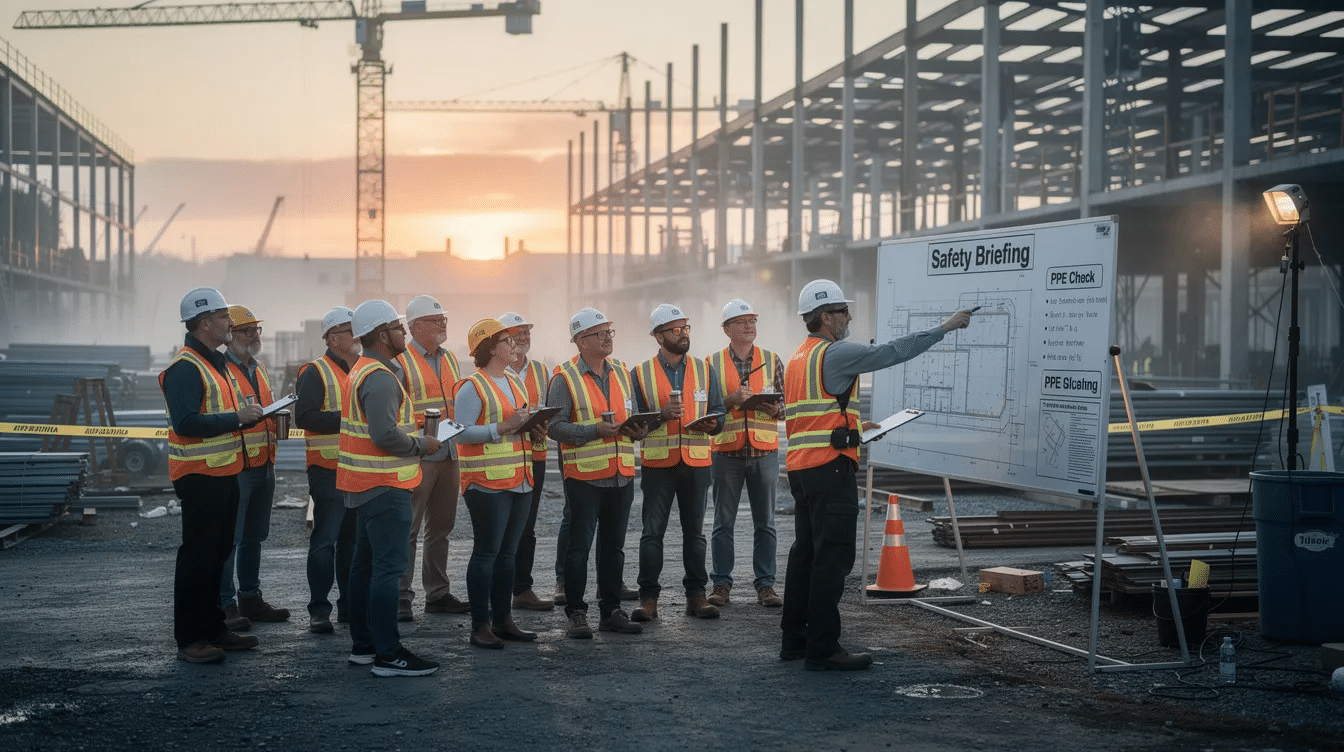
Contractors are also increasingly integrating mental health discussions into toolbox talks, supervisor training and broader jobsite safety programs as the industry works to reduce stigma surrounding behavioral health issues.
Construction organizations nationwide are continuing to expand the definition of workplace safety beyond traditional physical hazards.
Contractors are increasingly treating mental fatigue, emotional stress and behavioral health risks as operational issues that can affect decision-making, hazard recognition and overall project execution.
Safety directors and HR leaders are also under growing pressure to improve retention as skilled labor shortages continue affecting project staffing across the Southeast.
Industry organizations say stronger workforce support systems may help contractors reduce turnover costs while improving productivity, morale and long-term workforce stability.
For owners and developers, workforce mental health is increasingly becoming a project delivery issue rather than solely an HR concern.
Contractors facing high turnover, burnout and workforce instability may encounter greater schedule risk, productivity disruption and safety exposure on large projects.
Firms that invest in workforce wellness, mental health support and proactive safety culture initiatives may gain a competitive advantage in recruiting and retaining skilled labor as construction demand remains elevated across the Carolinas.
Originally reported by ABC Carolinas.