
As construction and infrastructure work accelerates across the United States, demand for precise technical coordination and documentation is pushing more firms to adopt dedicated civil engineer support services. These capabilities—once viewed as supplemental—are increasingly becoming essential as federal funding, private development pipelines, and digital compliance standards reshape how projects are planned and executed.
According to industry analysts, construction companies are managing larger workloads, more sophisticated designs, and a surge in digital reporting obligations. Civil engineer services have emerged as a key stabilizing resource, helping teams maintain accuracy, reduce administrative burdens, and uphold consistency across multiple phases of a project’s lifecycle.
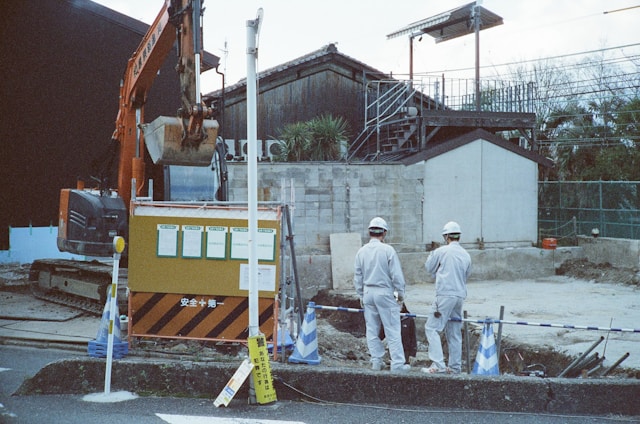
Many contractors, engineering firms, and project owners are now turning to structured technical support to address high volumes of RFIs, stricter regulatory requirements, and persistent labor shortages. As firms face growing complexity in design, inspections, scheduling, and documentation, remote and hybrid support models are proving critical to meeting deadlines while limiting operational risk.
Companies across the U.S. report several major trends reshaping daily operations:
These challenges have amplified the need for disciplined workflows, consistent quality control, and timely information exchange.
To help firms manage this evolving landscape, IBN Technologies has expanded its civil engineer support services, providing a systemized approach designed to improve engineering accuracy and enhance project oversight. The company’s structured framework includes RFI management, cost estimation, BIM coordination, virtual oversight, and standardized documentation.
These services are built to improve clarity, reduce rework, and support multidisciplinary collaboration—particularly on large public infrastructure projects and private developments with advanced technical requirements.
Core offerings include:
By integrating digital tools, disciplined workflows, and scalable technical support, IBN aims to help firms improve project execution while adapting to an increasingly technology-driven engineering environment.
Companies leveraging specialized civil engineer services cite several recurring benefits:
These advantages have become especially important as major states prepare for new infrastructure investments and heightened regulatory oversight.

As federal and state governments roll out long-term funding initiatives for transportation, utilities, water infrastructure, and public facilities, the demand for precise engineering data is expected to increase substantially. This shift is driving firms to adopt tools and processes that support automated documentation, improved model coordination, and analytics-based decision-making.
The industry’s evolution toward more complex, collaborative project structures means that adaptable and highly accurate technical services are becoming a foundational requirement—not a supplemental option. Engineering teams increasingly rely on outside expertise to maintain compliance, reduce documentation bottlenecks, and ensure continuity across multiple project phases.
IBN Technologies states that its expanded civil engineer services are designed to help firms modernize operations while reinforcing the quality and reliability needed for today’s construction environment. Their approach also supports engineers in dedicating more time to core responsibilities such as design evaluation, risk mitigation, and client communication.
As infrastructure spending increases and digital standards advance, construction firms and public agencies are being encouraged to explore structured civil engineer services that improve project quality and reduce administrative strain. With growing capacity demands, these services are becoming central to ensuring accurate documentation, streamlined digital coordination, and dependable project delivery across the U.S. construction landscape.
Originally reported by News Channel Nebraska.