The U.S. construction industry is heading into 2026 with a divided outlook, as strong demand in data centers, power generation and health care construction contrasts sharply with weakening conditions in lodging, office, retail and multifamily sectors, according to a new industry survey.
The findings come from the 2026 Construction Hiring & Business Outlook, released Jan. 8 by the Associated General Contractors of America (AGC) in partnership with technology firm Sage. The annual survey measures contractor expectations for project demand, workforce conditions and business challenges in the year ahead.

Contractors reported significantly fewer opportunities to bid on projects compared with last year, while also grappling with rising material costs, labor shortages and uncertainty tied to tariffs and immigration enforcement.
The results showed “Far more mixed expectations than last year,” said Jeff Shoaf, the CEO of AGC. “While there are pockets of optimism in select private sector markets, overall sentiment has dampened.”
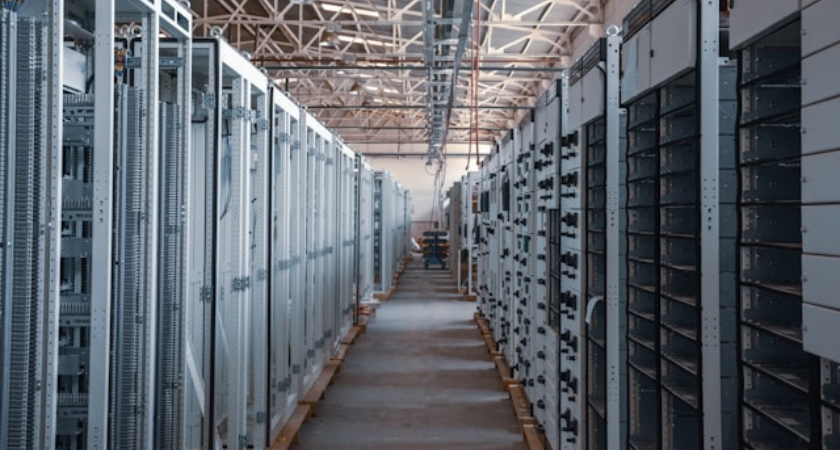
Despite the broader slowdown, Shoaf said data centers, power facilities and health care construction are expected to anchor private-sector activity in 2026.
In last year’s outlook, only two of 17 market segments showed an expected decline in project value. This year, that number rose to five. Still, growth remains steady in certain infrastructure-heavy sectors.
Contractors also expressed growing concern about the overall economy and the possibility of a recession. According to the survey, 57% of respondents reported an insufficient supply of workers, while uncertainty around public policy, persistent labor shortages and tariffs imposed under the Trump administration weighed on business planning.
Even with those challenges, 63% of firms said they expect to increase headcount in 2026, reflecting continued demand in critical construction markets.
Moderate growth is also anticipated in water and sewer projects, manufacturing facilities, transportation infrastructure, and bridge and highway construction.
Contractors took a more cautious stance toward future bidding opportunities, said Ken Simonson, AGC’s chief economist.
AGC’s net reading — the share of contractors expecting growth in project value minus those anticipating declines — was positive in 12 of 17 construction categories, down from 15 categories last year.
Data center construction posted the strongest outlook by far, with a net reading of 57%. About 65% of respondents expect data center demand to increase, compared with just 8% who anticipate a decline. The sector also recorded the largest year-over-year improvement, up from a net reading of 42% in 2025.
.jpg)
Power-related construction followed with a net reading of 34%, one of only two sectors that improved compared with last year. Health care construction showed moderate growth, with non-hospital facilities posting a net reading of 24% and hospital construction at 20%. Water and sewer and manufacturing projects posted net readings of 16% and 15%, respectively.
In contrast, several segments fell to their weakest levels since the COVID-19 pandemic. Warehouse construction dropped from 14% to 5%, federal construction fell from 22% to 5%, and multifamily slid from 12% to 4%.
Education construction also weakened further. K-12 construction declined from 13% to -1%, while higher education fell from 12% to -5%.
Lodging, office and retail posted the most negative outlooks for 2026. Lodging dropped from positive territory in 2025 to -7%, private office construction fell to -14%, and retail declined to -18%.
Beyond demand shifts, contractors reported growing impacts from tariffs and immigration enforcement actions.
About 70% of firms said they were affected by tariffs in 2025, with 40% raising bid prices in response. Another 20% added price-adjustment clauses to contracts, while 35% passed most or all tariff-related costs to project owners. Only 11% absorbed those costs internally.
Some firms adjusted purchasing strategies as well. Nearly one-third accelerated material purchases, while 13% switched from foreign to domestic suppliers.
Immigration enforcement also emerged as a growing concern. Simonson noted that construction employs a higher share of foreign-born workers than most industries, with about 35% of craft workers born outside the U.S.
Nationwide, one-third of construction firms reported being affected by immigration enforcement actions in the past six months. About 6% said authorities appeared at job sites or offices, while 11% reported workers failing to show up for work. Nearly a quarter said subcontractors were impacted.
In the Milwaukee area, roughly 10% of construction workers were born outside the U.S., among the lowest shares of any major metro, though nationally, immigrants account for about one in four construction workers.
Financing challenges also weighed heavily on contractors. Three-fifths of respondents said owners postponed or canceled projects in the past six months, citing funding uncertainty, unavailable or expensive financing, and rising labor and material costs.
Originally reported by Ethan Duran in The Daily Reporter.