A major K-8 campus redevelopment underway in Phoenix reflects growing investment in modernized educational infrastructure designed to support collaborative and bilingual learning environments while accommodating long-term enrollment growth.
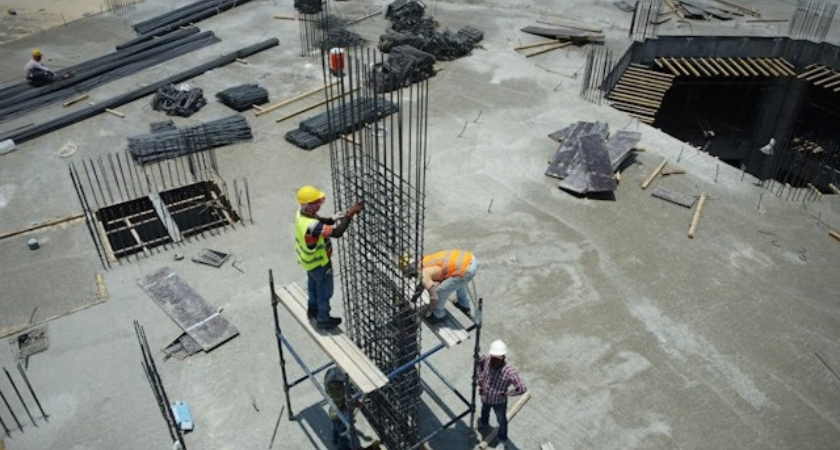
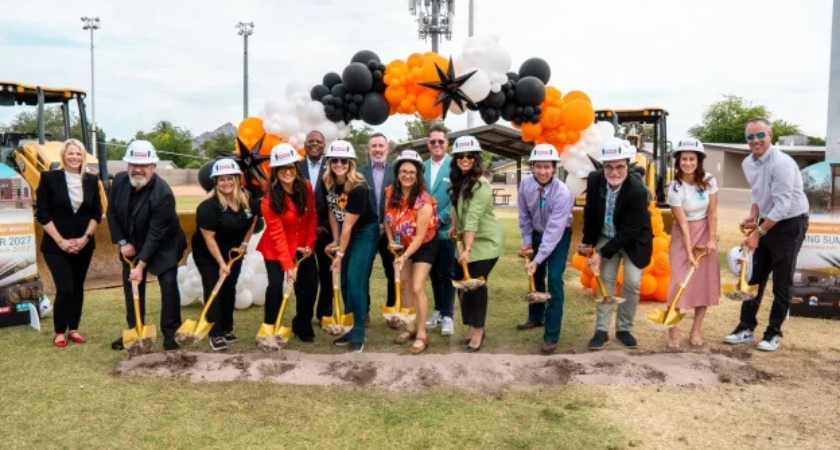
Creighton Elementary School District recently began construction on a comprehensive replacement project for Biltmore Preparatory Academy, a dual-language immersion campus serving students in the region.
The project team includes McCarthy Building Companies, Inc. as general contractor and SPS+ Architects as lead designer.
Located near 32nd Street and Highland Avenue in Phoenix, the redevelopment is being delivered through a phased construction strategy intended to keep school operations active throughout the buildout. Active campus redevelopment projects continue to present unique logistical and safety challenges for contractors, particularly when maintaining uninterrupted educational operations for students and staff.
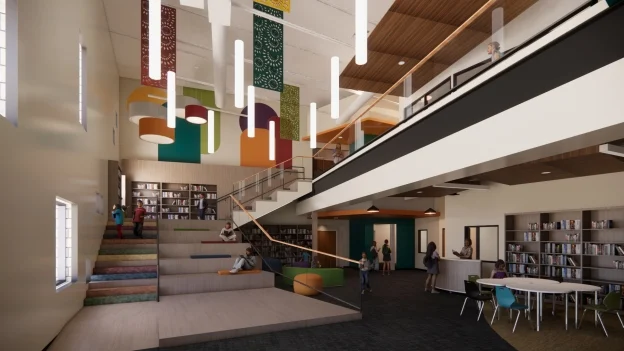
The redesigned campus will feature approximately 86,000 square feet of educational and administrative space, including new elementary and middle school classroom buildings, upgraded collaborative learning areas, administrative offices, and expanded student gathering spaces.
Project plans include specialized learning environments tailored to the academy’s bilingual immersion curriculum. Design elements throughout the campus incorporate visual distinctions tied to English and Spanish instruction to reinforce language-based learning experiences.
The redevelopment will also introduce STEM labs, maker spaces, arts and music classrooms, media centers, and flexible collaboration areas intended to support evolving educational delivery models focused on hands-on and project-based learning.
A central courtyard and amphitheater-style learning stair are expected to serve as gathering points for assemblies, performances, outdoor instruction, and community events.
The project reflects broader national trends in K-12 construction, where districts are increasingly prioritizing flexible learning environments, technology integration, and community-centered campus design as aging school facilities face modernization pressures.
For contractors and owners, phased campus replacement work has become an increasingly specialized segment of educational construction due to the complexity of maintaining safety, minimizing disruption, and coordinating work around active academic schedules.
The development team also plans to integrate construction-focused educational opportunities into the project through student tours, demonstrations, and STEM engagement activities tied to the ongoing buildout process.
Once complete, the redeveloped campus is expected to increase school capacity from roughly 500 students to approximately 750 students while expanding staffing and operational support areas.
Construction is scheduled for completion in late 2027, with students expected to begin occupying the new facilities during the 2027-2028 academic year.
For construction owners and public-sector developers, the Biltmore Preparatory Academy redevelopment highlights the increasing complexity of phased educational construction projects delivered within active campus environments. Maintaining uninterrupted operations while modernizing facilities requires extensive coordination among contractors, school administrators, designers, and safety teams.
The project also demonstrates how owners are using educational infrastructure investments to support enrollment growth, specialized curriculum delivery, and long-term community engagement. Flexible classroom layouts, collaborative learning spaces, and technology-enabled environments are becoming central priorities in modern K-12 development strategies.
For contractors pursuing education-sector work, experience with occupied campus construction, stakeholder communication, and phased delivery methods may become increasingly important differentiators as districts continue investing in large-scale modernization programs.
Originally reported by McCarthy.