Ferrovial has added two significant Texas water infrastructure upgrades to its fast-growing U.S. portfolio, securing a combined $721 million in contracts for major improvement projects in Austin and Fort Worth. The Amsterdam-based builder, working through its construction subsidiary Webber, will deliver new capacity, upgraded treatment technology and critical stormwater management systems for two rapidly expanding metropolitan areas, according to a company announcement.

The awards come during a year of strong momentum for Ferrovial’s U.S. operations, which have already posted substantial growth through the first three quarters of 2025. Company leaders have consistently emphasized water infrastructure as a central pillar of their long-term strategy, alongside highways, airports, and energy system projects.
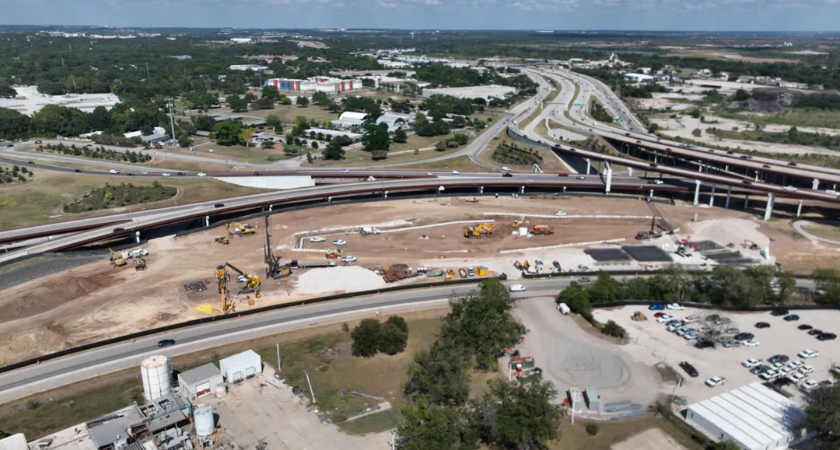
In Austin, the Texas Department of Transportation selected Webber to deliver a 105-foot-deep pump station tied to the massive I-35 Capital Express Central project — a comprehensive rebuild of the interstate through the heart of downtown. The pump station will serve as a backbone for new stormwater tunnels along the corridor, helping prevent future flooding and managing runoff from the reconstructed highway.
The project includes installation of four concrete volute pumps, each capable of moving 260,000 gallons of stormwater per minute. Webber began work on the $426 million effort in July and is expected to complete the upgrade in late 2028, according to the release. The depth and complexity of the station reflect the scale of the broader I-35 overhaul, one of Austin’s most transformative infrastructure projects in decades.
In Fort Worth, Ferrovial won a separate $295 million contract to expand the Eagle Mountain Water Treatment Plant, a key facility within the city’s public water system. The project’s central goal is boosting potable water output, adding 35 million gallons per day of treatment capacity to keep pace with Fort Worth’s surging population.
The comprehensive plant expansion includes installation of new ozone generation and disinfection systems, flocculation and sedimentation basins, media biological filters, and a membrane filtration building. Construction on the upgrade is already underway and is scheduled to wrap in 2029, according to the contractor.
Ferrovial’s newly secured projects underscore a broader shift within the U.S. construction sector, as public agencies and contractors alike prioritize investments in water resilience and capacity. Ferrovial Construction CEO Ignacio Gastón recently noted the company plans to “target highway, airport, energy and water system projects” as part of its long-range growth plan.
Other major contractors have echoed this outlook. Jacobs CEO Bob Pragada told investors that the firm’s water pipeline is up approximately 50%, expecting the sector to post steady single-digit growth heading into 2026. AECOM CEO Troy Rudd similarly identified water work as one of the most robust contributors to future civil construction demand during the company’s latest earnings call.
Together, the Austin and Fort Worth projects position Ferrovial as a key player in addressing Texas’ accelerating water infrastructure needs — a priority that continues to intensify as both regions expand at record pace.
Originally reported by Sebastian Obando in Construction Dive.