Wastewater utility owners and municipal infrastructure stakeholders continue to evaluate advanced treatment systems as aging facilities face tighter environmental requirements and growing service demands. In Franklin, Tennessee, Goodwyn Mills Cawood is leading the design and permitting effort for a new wastewater treatment facility that will introduce Aerobic Granular Sludge technology to the state for the first time.
The Grassland Sewage Treatment Plant project is intended to replace outdated infrastructure while increasing treatment capacity and improving environmental performance for the surrounding community.
The upgraded Grassland Sewage Treatment Plant will use the Granite AGS system developed by Parkson Corporation. Limestone Water Utility Operating Company, which operates under Central States Water Resources, selected the treatment approach after evaluating multiple alternatives with support from Goodwyn Mills Cawood.
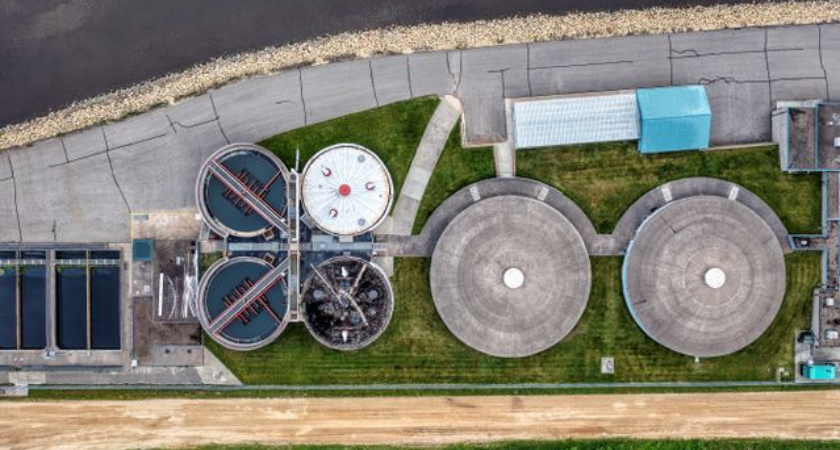
Aerobic Granular Sludge technology is an intensified sequencing batch reactor process that uses compact sludge granules to remove nutrients including nitrogen and phosphorus during wastewater treatment. Compared with conventional activated sludge systems, AGS technology allows faster settling and shorter treatment cycles while reducing the facility footprint.
The plant’s treatment capacity will expand from 0.25 million gallons per day to 0.45 million gallons per day to address current wastewater flows and improve operational reliability.
Goodwyn Mills Cawood is overseeing study, design and permitting services for the project, with additional support from the firm’s civil, geotechnical, environmental and architectural teams. The company will also provide bidding assistance, construction administration, inspection and startup services during project delivery.
Construction is scheduled to begin in late summer 2026, with substantial completion anticipated in spring 2028.
The project is designed to address long-standing operational limitations at the existing facility, which has experienced challenges meeting permit requirements because of aging and undersized infrastructure components.
Utility owners and engineering firms across the United States are increasingly evaluating compact biological treatment systems as communities seek to modernize aging wastewater infrastructure while managing construction and operating costs.
The Grassland project also reflects growing investment in nutrient removal technologies intended to support water quality protection. The upgraded facility is expected to strengthen environmental safeguards for the Harpeth River, which is currently listed as an impaired water body under federal water quality standards.
Source: GMC Network.