As prolonged heat raises safety risks for construction crews, effective heat-stress prevention has become an important part of daily jobsite planning. Evans General Contractors has outlined practices for helping field teams manage hot-weather conditions, with an emphasis on hydration, cooling, symptom recognition and prompt response.
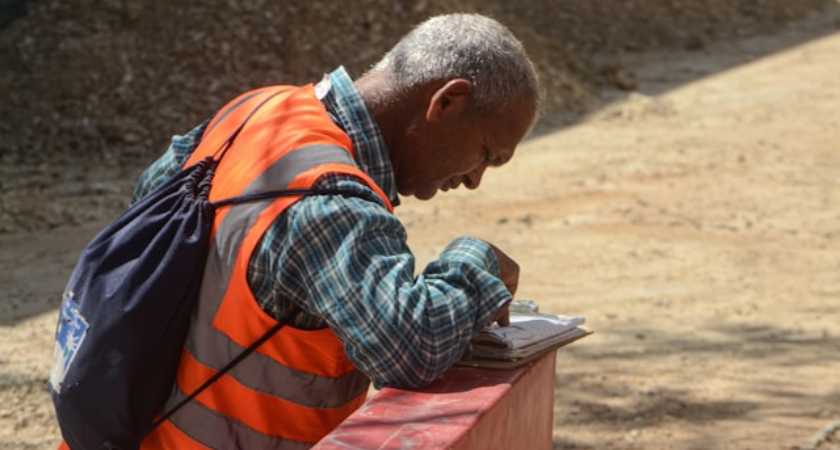
Construction workers can face elevated heat exposure from outdoor work, physical exertion, direct sunlight and required personal protective equipment. These conditions can increase fluid loss and contribute to fatigue, reduced concentration and impaired decision-making.
Evans General Contractors recommends maintaining hydration throughout the day rather than waiting until thirst develops. The guidance calls for workers performing moderate activity in warm conditions to consume about one cup of water every 15 to 20 minutes.
The company also recommends incorporating water-rich foods and regular meals into daily routines. Fruits and vegetables can contribute to fluid intake, while meals and snacks containing salt can help replace electrolytes lost through sweating.
When workers begin to feel overheated, moving into shade or an air-conditioned space and using cool, wet towels or ice packs can help lower body temperature. Cooling areas around the neck, wrists, armpits and other locations where blood vessels are close to the skin is also recommended.
Early recognition is another component of the safety approach. Symptoms associated with heat stress and dehydration can include headaches, dizziness, muscle cramps, weakness, persistent thirst, dark urine, rapid heart rate and unusual fatigue.
More serious warning signs include confusion, unusual behavior, fainting or loss of consciousness. Evans General Contractors advises workers to monitor coworkers as well as themselves because heat-related symptoms can initially resemble ordinary fatigue.
For a worker showing signs of dehydration or heat stress, the recommended response includes moving the individual to a cooler location, allowing them to rest and providing small amounts of water or an electrolyte beverage if they are alert and able to drink. Removing unnecessary clothing layers and continuing cooling measures can also help.
If a worker becomes disoriented, loses consciousness, cannot keep fluids down or experiences severe confusion, emergency medical assistance should be requested immediately while cooling efforts continue.
Heat exposure adds another operational risk for construction owners and contractors during the summer months. Maintaining hydration, scheduling appropriate rest and monitoring worker conditions can help crews respond to heat stress before symptoms become more severe.
For construction organizations, heat-safety planning also reinforces the importance of integrating seasonal environmental hazards into daily jobsite communication, supervision and worker training.
Source: Evans General Contractors.