Municipal water infrastructure owners across the U.S. continue to invest in modernization programs aimed at improving long-term system reliability, operational resilience and regulatory compliance. Hensel Phelps is currently delivering a major upgrade project at the Whittier Narrows Water Reclamation Plant in South El Monte, California, focused on replacing aging influent and treatment support infrastructure within an active operating facility.
The $48.5 million project is intended to support long-term wastewater treatment and recycled water operations serving communities across the San Gabriel Valley.
Awarded in May 2025 under a design-bid-build contract, the project includes construction of a new influent pump station along with wet wells, dry wells, electrical and control facilities, buried utility systems and seismic upgrades.
The scope also includes hydraulic and process improvements as well as a new pedestrian bridge intended to improve site access and circulation.
The Whittier Narrows Water Reclamation Plant has operated since 1962 and currently processes up to 15 million gallons per day. The facility produces approximately 9 million gallons per day of recycled water used for groundwater recharge and non-potable applications across dozens of regional sites.
Construction is scheduled for completion in September 2027.
A significant portion of the project involves excavation work near active treatment infrastructure and high groundwater conditions.
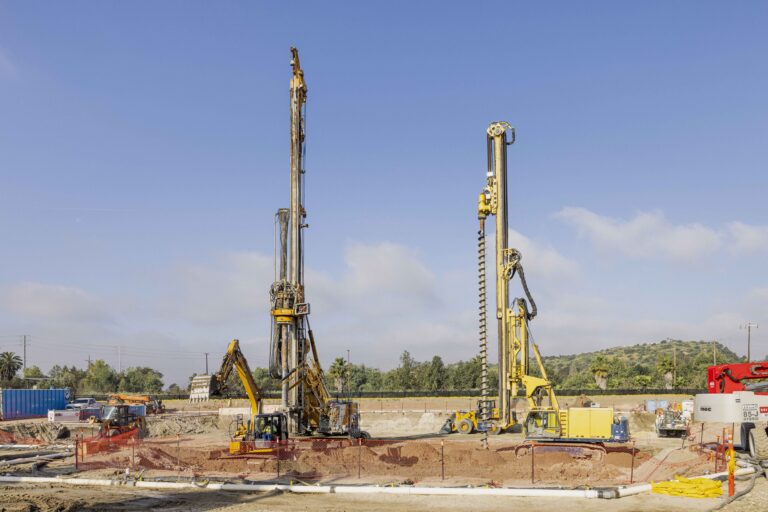
According to project details released by Hensel Phelps, the construction team selected Cement Deep Soil Mixing shoring technology to control groundwater infiltration and reduce risks associated with settlement near sensitive operating infrastructure.
The system creates a low-permeability soil-cement barrier around excavation areas, reducing the need for extensive dewatering operations. The project also incorporates tie-down anchors and an integrated bottom plug system designed to provide uplift resistance and excavation stability.
The approach was selected because of the proximity of critical infrastructure, including processing channels and sewer lines, located near the excavation zone.
Delivering upgrades within an operational wastewater treatment plant requires detailed sequencing and coordination to maintain uninterrupted treatment operations throughout construction.
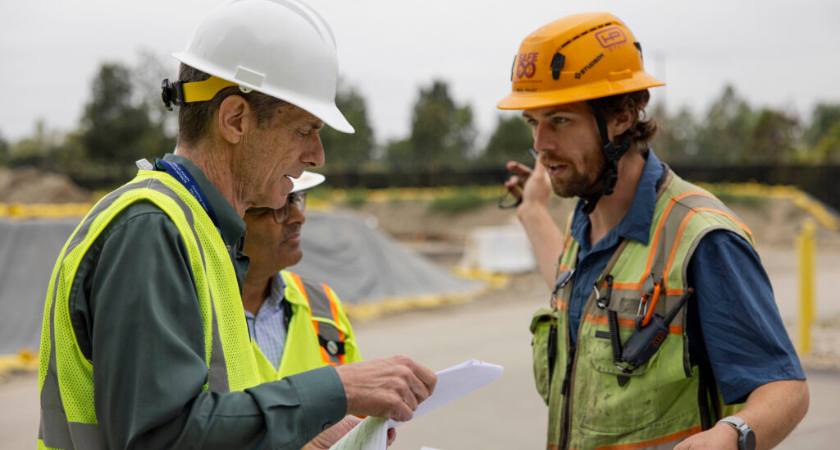
Hensel Phelps said the project team has been coordinating closely with owner representatives and operations personnel to manage underground utility conflicts, infrastructure tie-ins and construction phasing.
The contractor also hosted a project site visit for owner engineering and construction staff to review progress, discuss sequencing and evaluate construction methods being used on the project.
Water and wastewater agencies continue to prioritize rehabilitation and replacement of aging infrastructure as utilities address reliability, resilience and environmental compliance requirements.
For construction owners and contractors, active-facility water infrastructure projects often involve specialized excavation systems, groundwater management strategies and complex operational coordination. The Whittier Narrows project also reflects growing industry adoption of alternative shoring and groundwater control techniques intended to reduce construction risk near sensitive infrastructure assets.
Source: Hensel Phelps.