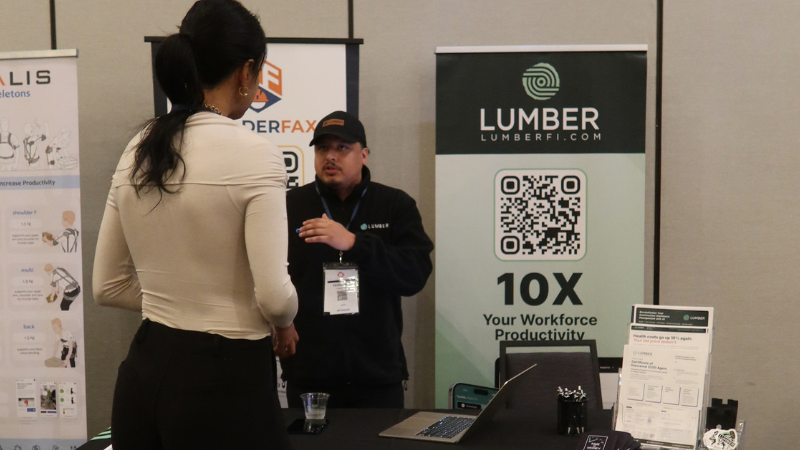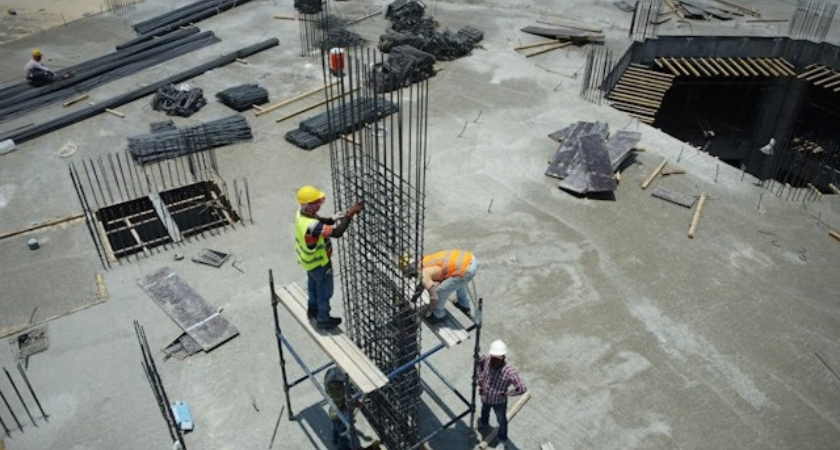
Construction and engineering industry leaders continue to evaluate how artificial intelligence, workforce development and leadership succession are reshaping project delivery and talent pipelines. Those topics were central to discussions during the Groundbreaking Women in Construction conference, where executives and educators highlighted the growing role of AI alongside ongoing workforce investment efforts.
Peckar & Abramson announced the Melinda S. Gentile Future Groundbreaker Scholarship during the conference. The program is intended to support future professionals entering the architecture, engineering and construction sectors.
Scholarship awards will be distributed to a student, mentor and high school educator selected through the ACE Mentor Program of America. The initiative is designed to encourage participation in construction and design career pathways while supporting conference attendance and educational opportunities.
Conference organizers noted that the mentorship program connects students with professionals working across the design and construction industries to promote career exploration and workforce development.
Conference participants also discussed how artificial intelligence is being integrated into construction and engineering operations.
Doris Espiritu, district-wide dean of engineering for the City Colleges of Chicago, emphasized the importance of maintaining technical oversight and critical thinking skills alongside AI adoption in engineering education and workforce preparation.
Executives from multiple firms described AI as a productivity and operational support tool rather than a replacement for field personnel and technical staff. Leaders noted that AI applications are currently being used to assist with data management, coordination and administrative processes while allowing employees to focus on project execution, stakeholder management and field experience.
Participants included executives from Engineering Partners Inc. and Balfour Beatty, among other industry organizations.
Construction firms continue to face workforce recruitment and retention challenges while simultaneously evaluating emerging digital technologies that can improve efficiency and project coordination.
Industry conferences and workforce initiatives have increasingly focused on leadership development, succession planning and technology adoption as contractors and engineering firms compete for skilled labor and technical talent.
For owners, contractors and developers, ongoing investment in workforce training and responsible AI integration may influence future project delivery capabilities, collaboration practices and long-term labor availability across the construction sector.
Source: Balfour Beatty.