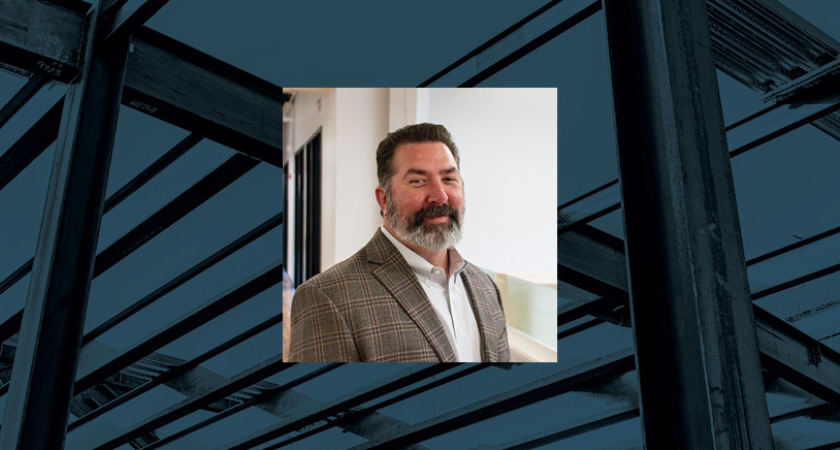
CEO Bob Pragada outlines rising need for integrated energy, water, and digital infrastructure as AI, life sciences, and advanced manufacturing fuel capital investment cycles
Global infrastructure firm Jacobs is seeing continued momentum across several high-growth sectors, with artificial intelligence, advanced manufacturing, life sciences, and critical utilities driving demand for large-scale, integrated project delivery services.
Company leadership has pointed to a growing need for coordinated infrastructure solutions that span energy, water, transportation, and digital systems. As AI-driven technologies expand, the supporting physical infrastructure required to sustain data centers, semiconductor fabrication, and advanced computing facilities is becoming increasingly complex and capital intensive.
.jpg)
Executives note that the company’s project pipeline is increasingly tied to interconnected systems rather than standalone developments. This includes facilities supporting semiconductor production, hyperscale data center campuses, and industrial manufacturing sites that require significant power and water infrastructure integration.
The rise of AI infrastructure development continues to be a central growth driver. Large-scale computing facilities require not only building design and engineering, but also reliable energy supply systems, cooling infrastructure, and water resource management. These requirements are pushing owners and developers to adopt more holistic planning approaches that bring multiple disciplines together from early project stages.
In addition to digital infrastructure, life sciences remains a strong contributor to project activity, particularly in areas tied to pharmaceutical innovation and biologics manufacturing. Demand linked to metabolic disease treatments and GLP-1 therapies is supporting continued investment in specialized research and production facilities.
Broader industrial expansion in advanced manufacturing and energy systems is also reinforcing long-term infrastructure spending trends. These sectors are increasingly interconnected, as production facilities rely on stable power supply, resilient water systems, and advanced logistics infrastructure.
For construction owners and developers, the evolving landscape reflects a shift toward more integrated delivery models, where engineering, design, and program management are closely aligned with operational requirements. Projects are becoming more system-driven, with greater emphasis on long-term performance rather than standalone asset delivery.
As infrastructure demands grow across digital and industrial sectors, firms operating across multiple disciplines are positioning themselves to support full lifecycle project delivery, from early planning through construction and operational readiness.
Originally reported by Jacobs.