

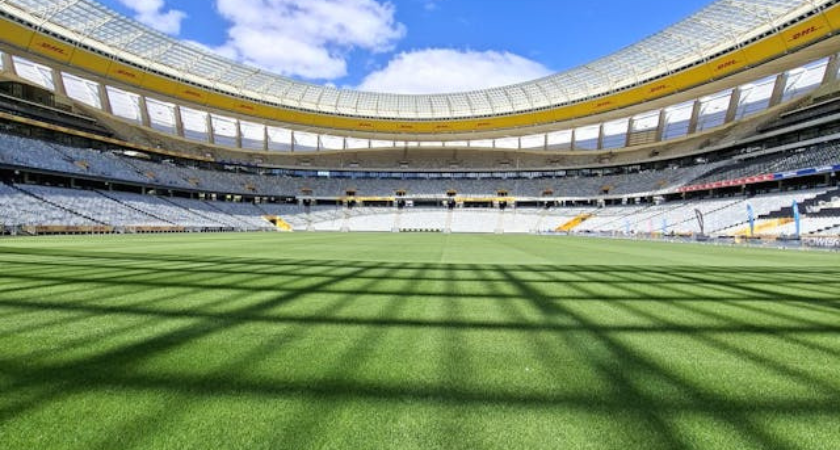
A major temporary event buildout is underway in downtown Kansas City as the city prepares for one of the largest international sporting crowds in its history during the upcoming FIFA World Cup cycle.
At the center of the effort is the FIFA Fan Festival being constructed on the grounds of the National WWI Museum and Memorial. The 18-day activation is designed to serve as a public gathering space for live match viewing, entertainment programming, and large-scale fan engagement throughout the tournament period.
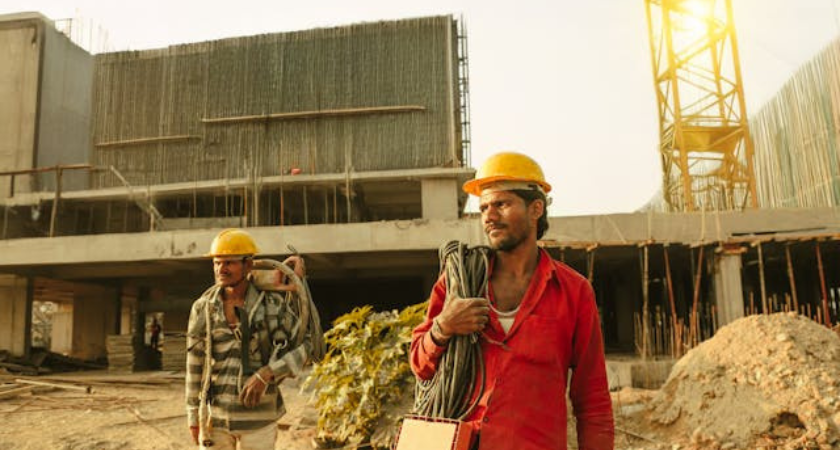
The temporary venue is being built to accommodate as many as 25,000 visitors at peak capacity. Construction teams are currently assembling major site components, including a prominent 65-foot entrance structure that will serve as a central visual landmark and primary access point for attendees entering the festival grounds.
The layout also includes multiple large-format viewing screens distributed across the site to ensure visibility of matches from various zones. A significant shade installation spanning roughly 30,000 square feet is being constructed to address summer heat conditions and improve comfort for large daytime crowds.
From a construction and planning perspective, the project relies heavily on temporary infrastructure systems, including modular staging, tented structures, scaffolded viewing platforms, and rapid-install utility networks. These types of builds require tight coordination between event planners, civil contractors, and specialty fabricators working under compressed schedules.
Design work for the festival footprint is being led in part by sports and event architecture specialists at Populous, which has experience delivering large-scale international event environments. The site plan emphasizes visibility, crowd circulation efficiency, and layered viewing experiences to support both live performances and match broadcasts.
Beyond the physical buildout, the festival is expected to include food and beverage programming with a strong emphasis on local participation, with more than 60 percent of vendors sourced from the Kansas City region. Organizers are also integrating a mix of concerts, public entertainment, and family-focused programming alongside match screenings.
Ticketing options include both general access and upgraded experiences with reserved viewing areas, expedited entry, and hospitality amenities, reflecting a tiered access model commonly used in large international fan zones.
For construction stakeholders, the project highlights the increasing complexity of urban event infrastructure tied to global sports tournaments. Temporary venues of this scale require the same level of planning rigor as permanent civic builds, particularly in areas such as crowd safety design, structural staging, accessibility compliance, and rapid demobilization after event completion.
The development also reflects a broader trend in host cities using high-profile public spaces to create multi-use fan environments that extend beyond traditional stadium venues. With Kansas City positioned as a World Cup host city, the festival is expected to serve both local residents and international visitors throughout the event window.
As construction continues, the project underscores how major sporting events are driving short-term but highly complex infrastructure cycles that intersect with tourism, public space activation, and urban logistics planning.
Originally reported by Chloe Godding and Eric Graves in KMBC News.






