LAKE BRONSON, Minn. — The major effort to replace the nearly century-old Lake Bronson Dam has officially reached the halfway mark, according to project leaders overseeing the multi-year construction. One year into the work, crews say progress remains on schedule for a late-2026 completion, weather permitting.
The 312-acre Lake Bronson reservoir was originally created in the 1930s to serve as a critical water source for the communities of Bronson and Hallock. Over the decades, it became the centerpiece of Lake Bronson State Park and the only recreational lake in Minnesota’s northwesternmost county. As park officials note, “Normally, two-thirds of the people who visit this park (live) within 30 miles. A lot of people up here use the lake. This is a very popular spot.”
.webp)
But after decades of repairs and high-water events, the dam’s structural integrity declined to the point of becoming unsafe. Lawmakers approved a $20 million bonding package in 2020 to fund a full replacement.
Barr Engineering designed the new dam, while Ames Construction is leading the build and the eventual demolition of the old structure. Park manager Timothy Williamson said the original 1930s dam “lived its life,” adding that while early builders “did a really nice job,” recurring structural issues and high-water stress made replacement essential.
Williamson emphasized the safety benefits of the new project, saying, “Just the safety aspect will be a big plus for the years to come.”
Stacy Smith of the Minnesota DNR reported that additional state and federal dollars have kept the project moving while keeping the overall cost under $30 million. “With the good weather and work of the entire team, we’ve been able to keep on schedule,” Smith said. “That’s a great achievement for us.”
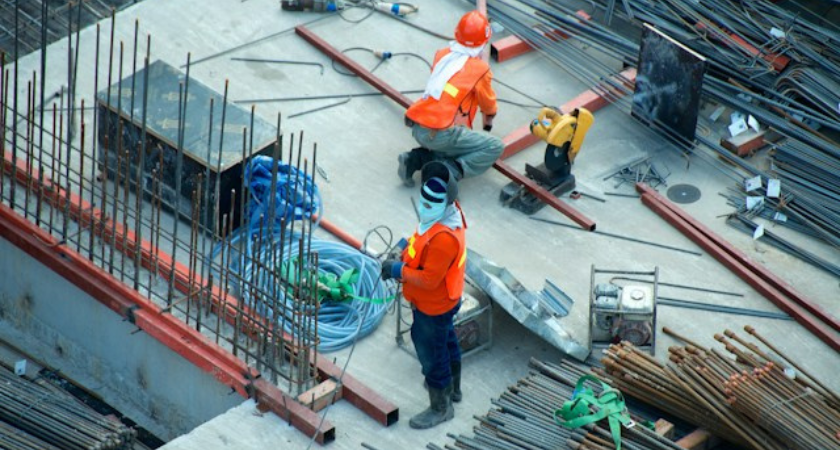
Work began in September 2024 with a 15-foot lake drawdown. Construction crews completed the new spillway by early November and have been pouring concrete for the labyrinth weirs — a zigzag spillway structure that increases water flow without raising the dam.
Ames Construction project manager Tyler Doll estimates the site is now halfway complete: “With the new spillway being done, I’d say we’re 50%.” However, demolition of the old dam remains. “With that, we’ve got to build a coffer dam and divert the water to a new spillway as we’re digging up the old dam,” he said.
Heavy October rains forced the team to cancel plans to demolish the original dam this fall. Doll said that would have put the project at “probably 75% done,” but weather delays pushed the work to next year.
The ongoing construction has significantly affected park use. While many trails remain open, much of the shoreline and both Lakeside campgrounds are closed. The lake itself will remain inaccessible until the project finishes and the DNR refills it.
Park visitation dropped substantially — from 80,103 visits in 2024 to just 29,648 between January and October this year. Williamson said the diminished lake access made a clear difference: “Fourth of July was really quiet here, which is very unusual. The lake is the draw, and when you tell people they can’t use the lake, it’s been very noticeable.”
Once the lake is restored, the DNR’s fisheries team plans to restock walleye, perch, pike, and other species. Williamson noted the lake still holds “a bunch of fish,” though some moved through the dam during drawdown and local pelicans likely reduced numbers as well. “I’ve never seen the pelicans stay as long as they did,” he said.
.webp)
Before construction began, state and federal permits required extensive archaeological investigation around the drained lakebed. Jennifer Rankin, director of archaeology at the Minnesota Historical Society, led teams through months of fieldwork that uncovered cultural resources spanning 10,000 years.
“This area was kind of a center for hunting and processing bison,” Rankin said, explaining that excavations revealed stone tools, pottery, hearths, hide-processing areas and more. The lake’s water helped preserve cultural sites as a “time capsule,” she said.
Teams also discovered fishing tackle ranging from the 1930s to modern equipment, adding a unique record of recreational history. Volunteers from throughout Minnesota and the Dakotas joined the work, sometimes arriving in groups of 20 to 25 at a time. School groups participated during the fall.
Rankin said the community engagement was invaluable: “Any time that we actually have that opportunity to involve the public, it’s kind of a win-win for all of us.”
Smith, with the DNR, echoed that sentiment: “I can’t state how important it was to the project to have so many people be interested and engaged.”
This winter, archaeological teams will continue analyzing artifacts with help from the Kittson County History Center and Museum.
If favorable weather allows construction to stay on track, the project is expected to be completed by late fall 2026, with Lake Bronson State Park fully reopening in 2027.
“This park is a huge part of the community,” Smith said. “We are looking forward to being able to wrap up this project in the next year and fully open the park again.”
Originally reported by Brad Dokken in Grand Fork Herald.