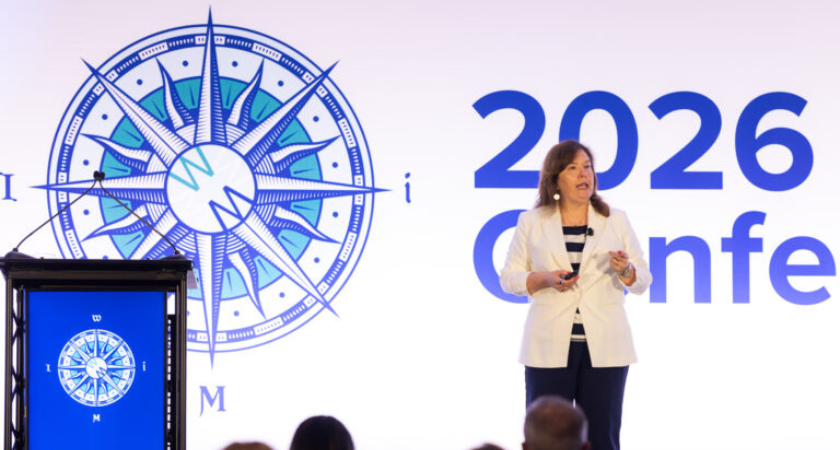
The Mechanical Contractors Association of America used its 2026 Women in the Mechanical Industry Conference to emphasize workforce development, leadership succession and employee retention strategies across the mechanical construction sector.
Held in Coronado, California, the three-day event brought together contractors, suppliers, labor representatives and industry professionals for education sessions focused on talent development, workplace culture and operational resilience. The conference also addressed workforce recruitment challenges facing mechanical contractors and highlighted efforts to expand leadership opportunities for women in construction and skilled trades.
Conference programming centered on leadership preparation and long-term workforce sustainability within the mechanical construction industry.
Sessions examined structured employee development programs, succession planning and organizational culture strategies intended to improve retention and career advancement opportunities. Speakers also addressed the need for clearly defined training pathways and leadership accountability as contractors compete for skilled labor.
United Association representatives outlined ongoing recruitment and advancement initiatives designed to support women entering mechanical trades and leadership roles. Discussions focused on apprenticeship participation, retention efforts and broader workforce pipeline development.
The conference also included recognition of student scholarship recipients pursuing construction and engineering-related education programs, reflecting continued industry investment in future workforce capacity.
Mental health awareness and suicide prevention training were incorporated into the program through workshops led in partnership with labor representatives. Educational sessions provided contractors and attendees with practical tools related to employee well-being, communication and workplace support systems.
Several keynote sessions focused on how contractors and industry organizations can prepare for operational disruption, workforce turnover and changing market conditions.
Topics included adaptability, leadership under pressure and long-term planning strategies intended to help construction organizations remain effective amid shifting economic and labor conditions. Speakers emphasized workforce engagement, sustainable performance and leadership continuity as critical issues for employers across the mechanical construction sector.
Networking sessions and peer discussion forums were also integrated throughout the event to facilitate collaboration among contractors, suppliers and industry stakeholders.
In addition to professional development programming, attendees participated in a charitable community initiative supporting the San Diego Rescue Mission through assembly of care packages during the conference.
The conference reflected broader labor and workforce concerns affecting specialty contractors throughout the construction industry.
Mechanical contractors continue to face pressure related to skilled labor availability, succession planning and employee retention as institutional, manufacturing and infrastructure construction activity remains active in many markets. Industry organizations have increasingly expanded leadership development programs and workforce outreach efforts to address those challenges.
For construction owners and contractors, workforce-focused initiatives such as WiMI can influence labor availability, project delivery capacity and long-term operational stability. Expanded training opportunities, retention programs and leadership development efforts may help contractors strengthen workforce pipelines while improving organizational continuity across the mechanical construction sector.
Source: MCAA.