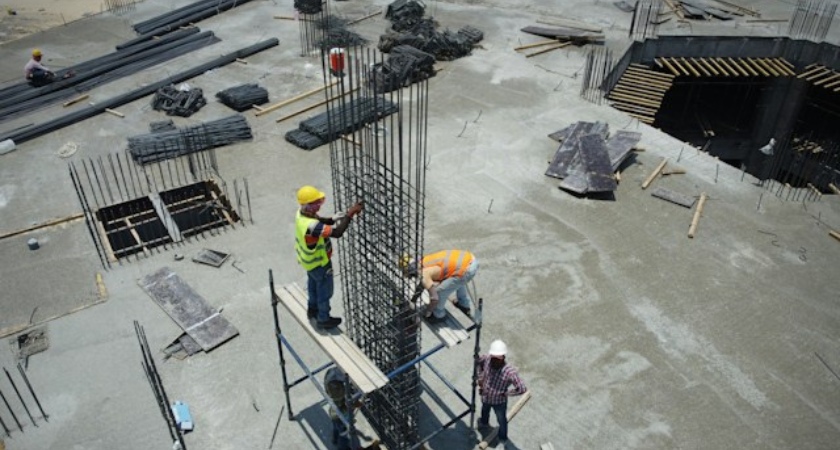
Meta has officially begun construction on a massive new data center in Lebanon, Indiana, marking one of the company’s largest infrastructure investments to date.
The facility is designed to deliver 1 gigawatt of capacity, supporting both AI workloads and Meta’s core platforms. Once completed, it will play a central role in powering the company’s next generation of artificial intelligence systems and digital services.
.webp)
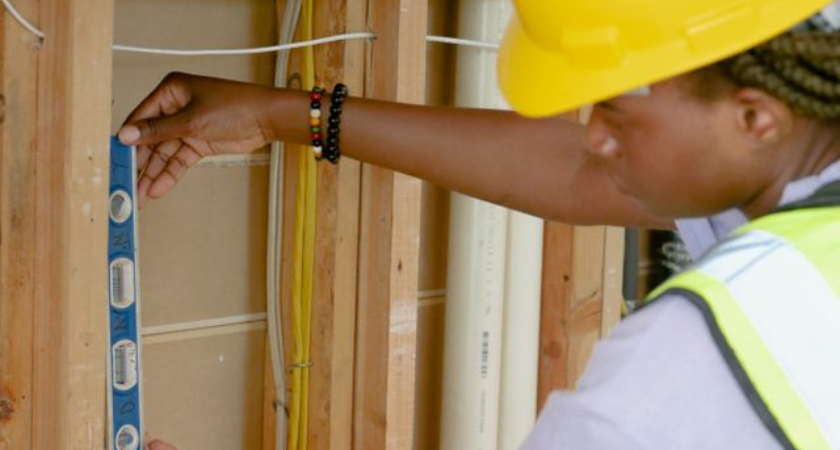
The project is expected to create more than 4,000 construction jobs at peak activity and approximately 300 long-term operational positions once the site becomes fully functional. Beyond direct employment, Meta says it will also support the region through workforce development programs, training initiatives, and local grants.
Meta plans to invest more than US$10 billion in the Lebanon site and surrounding community. That funding will not only cover construction and technology infrastructure but also improvements to local water systems, roads, and utilities.
The company has committed to operating the facility using 100% renewable energy and is targeting LEED Gold certification, a globally recognized sustainability standard for energy-efficient buildings. Additionally, Meta says it will restore all water used at the site to local watersheds and collaborate with local farmers on irrigation projects to offset water consumption.
The Lebanon project is part of Meta’s broader strategy to scale its global infrastructure while integrating environmental and community-focused initiatives
The Indiana data center fits into Meta’s broader AI-era infrastructure build-out. The company has been aggressively expanding gigawatt-scale computing capacity to support increasingly complex AI systems.
The Lebanon site aligns with Meta’s planned 1-gigawatt “Prometheus” cluster, which the company has described as spanning multiple data center buildings, weatherproof structures, and nearby colocation facilities. These high-density environments are designed to support the training and deployment of advanced AI models such as Llama 3.
In late 2023, Meta said it built two AI clusters containing 24,000 Nvidia H100 GPUs each to accelerate its AI development roadmap. The company had previously paused work on around a dozen facilities in late 2022 to redesign them for GPU-heavy workloads and liquid cooling systems, before restarting construction with updated specifications.
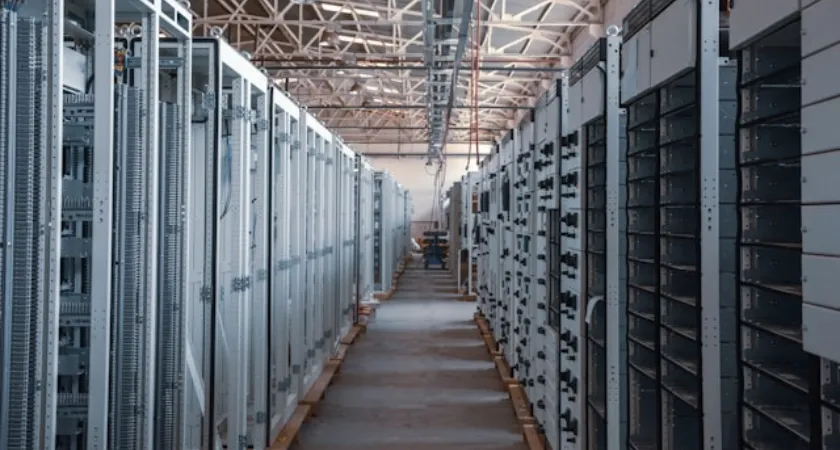
Meta’s newer “Catalina” liquid-cooled rack design can operate at up to 140 kilowatts per rack, significantly increasing compute density. The company has also described a six-rack “Catalina pod” configuration that enhances performance in buildings originally designed for lower-density equipment. These design shifts reflect the rapid transformation of data center engineering in the AI era.
Hyperscale data centers like the one planned in Lebanon are reshaping how tech giants interact with public infrastructure systems.
Facilities of this scale require enormous amounts of electricity and water, which can put pressure on local grids and municipal utilities. According to Citizens Action Coalition (CAC), Wabash Valley Power Alliance — which supplies electricity to Boone REMC — is planning a 1,300% increase in spending on local transmission projects. CAC has linked that increase to the need to interconnect the new Meta facility in Indiana’s LEAP innovation district and raised concerns about potential impacts on ratepayers.
At the same time, local governments frequently offer significant tax incentives to attract such investments. In Jeffersonville, Indiana, Meta received a 35-year sales tax exemption for another facility that supports around 100 permanent operational jobs.
.webp)
Meta says it will invest more than $120 million in water infrastructure for Lebanon, alongside upgrades to roads, transmission lines, and other utilities. The company has framed these commitments as part of a broader effort to ensure that infrastructure improvements benefit both the data center and the surrounding community.
The Lebanon data center underscores a larger trend: as AI-driven demand accelerates, communities and tech companies must navigate a delicate balance between economic opportunity, environmental stewardship, and long-term infrastructure resilience.
Originally reported by Techinasia.