ANN ARBOR – Michigan is rolling out automated speed enforcement in active construction zones as the 2026 construction season gets underway. The new program is designed to curb dangerous driving, protect road crews, and reduce crashes across the state’s highways.
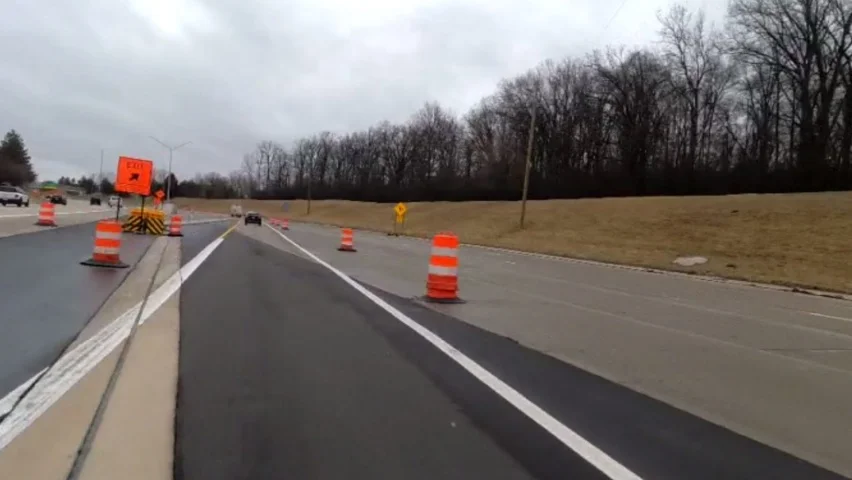
State transportation officials say the initiative addresses a pressing safety concern: work zones often feature narrowed lanes, shifting traffic patterns, and exposed workers, creating high-risk conditions that are frequently worsened by speeding drivers.
Authorized under legislation signed by Gov. Gretchen Whitmer, the Michigan Department of Transportation (MDOT) and Michigan State Police will deploy speed-monitoring cameras in clearly marked construction zones. Key aspects of the program include:
The system emphasizes education. A first violation results in a warning, a second within three years carries a $150 civil fine, and a third triggers a $300 fine. No points are added to driver licenses, and insurance companies are not notified.
“Work-zone safety has been a persistent challenge,” said a Michigan transportation official. “Speeding remains a leading factor in serious and fatal crashes, particularly in areas where drivers face sudden lane shifts or reduced shoulders.”
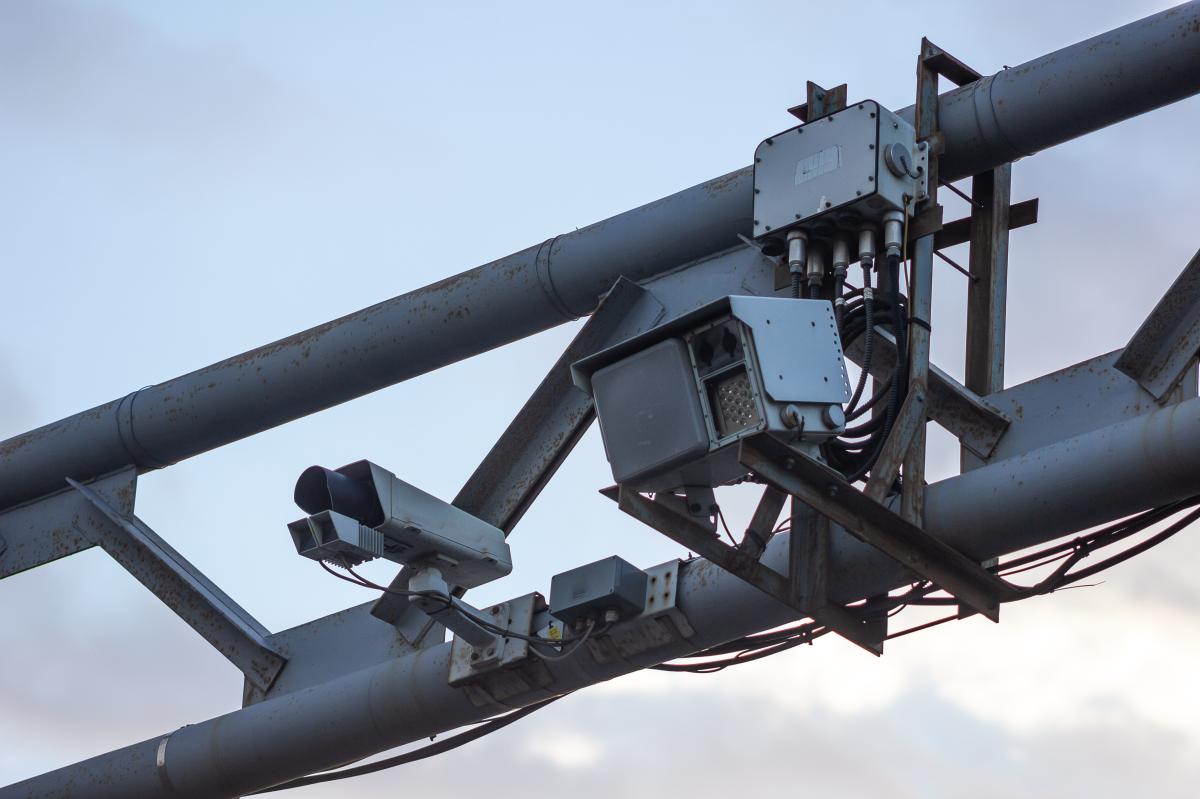
The influx of billions of dollars into Michigan’s road repairs and upgrades has increased the number of active work zones, making traditional enforcement difficult. Police cannot patrol every site, and traffic stops in narrow corridors may introduce hazards. Automated cameras provide consistent enforcement without requiring officers to be on-site.
Michigan follows in the footsteps of states such as Maryland and Pennsylvania, where speed cameras have led to slower average speeds and fewer repeat violations. These results influenced Michigan’s legislation, underscoring the effectiveness of consistent, visible enforcement in changing driver behavior over time.
Motorists’ reactions have been mixed. Supporters emphasize the need to protect workers, while critics raise concerns about calibration, accuracy, and potential revenue-driven misuse. State officials assure the public that cameras will be clearly marked, reviewed prior to issuing citations, and deactivated when crews leave.
Beyond safety, reducing work-zone incidents has economic advantages: fewer crashes mean fewer project delays, lower emergency response costs, and reduced liability for contractors and the state. Safer zones also help maintain the flow of freight traffic during peak construction periods—an issue critical for Michigan businesses.
As construction ramps up this spring and summer, drivers will see new signage alerting them to automated enforcement in select high-traffic work zones. Officials emphasize the message: slow down, pay attention, and respect work-zone speed limits. With cameras now part of Michigan’s safety toolkit, authorities hope that drivers learn the importance of slowing down before accidents occur.
Originally reported by Mi Tech News.