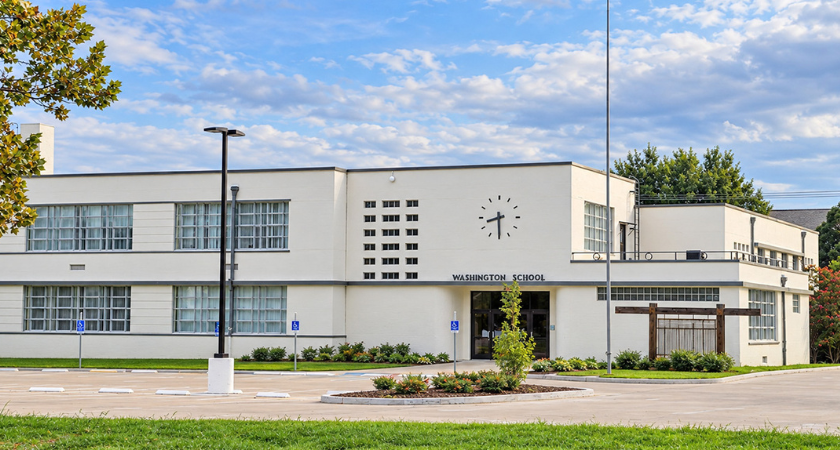
BOWLING GREEN, Ohio – Large infrastructure projects can remain hidden from public view for years, and Ohio residents say the Meta hyperscale data center rising in Wood County is a prime example. Community members are only now learning that the facility—code-named “Accordion” and assembled through shell company Liames LLC—has been in the works for years, supported by farmland acquisitions and a 75% tax abatement for 15 years.
Locals say they were given little opportunity to understand the implications of such a massive development. Concerns are mounting over water consumption, streamlined discharge permitting, energy demand, and potential impacts on agriculture and property values. Non-disclosure agreements surrounding the project have added to frustration and mistrust.
.webp)
Those worries intensified this week when the Ohio Power Siting Board (OPSB) approved construction of the Will-Power “Apollo” 350-MW gas-fired plant, designed to serve the Meta facility. The Title V-designated plant received final approval on February 3, 2027, following a rapid review process that critics say sidelined meaningful public input.
The Will-Power Letter of Notification dated November 5, 2025 initiated the expedited process. By January 27, 2026, OPSB recommended approval, paving the way for construction to begin as early as February 6—just three months later.
Critics argue the timeline demonstrates how major polluting facilities can move forward with minimal community involvement. Two residences lie within 1,000 feet of the planned generating equipment, and Wood County already holds a “C” ozone rating from the American Lung Association, while neighboring Lucas County earned an “F.”
Apollo could emit more than 2.4 million tons of carbon dioxide annually, adding to concerns about AI-driven energy demand. A recent Guardian report noted, "The gas projects in development in the US will, if all completed, cause 12.1bn tonnes in carbon dioxide emissions over their lifetimes, which is double the current annual emissions coming from all sources in the US."
Tax incentives have drawn particular criticism. "The average cost of their megadeals is astronomical: $1.9 million per job," writes Kasia Tarczynska of Good Jobs First. "At that price, taxpayers will always lose."
Local advocates echo that sentiment. "So now the data center industry is mounting a public relations campaign, spending millions to paint a rosy picture of the industry when that money could be much better spent to pay their fair share," said Lea Harper of FreshWater Accountability Project. "Where is the benefit to local residents and Ohio taxpayers and ratepayers when very few jobs will be given? I see no upside to these projects."
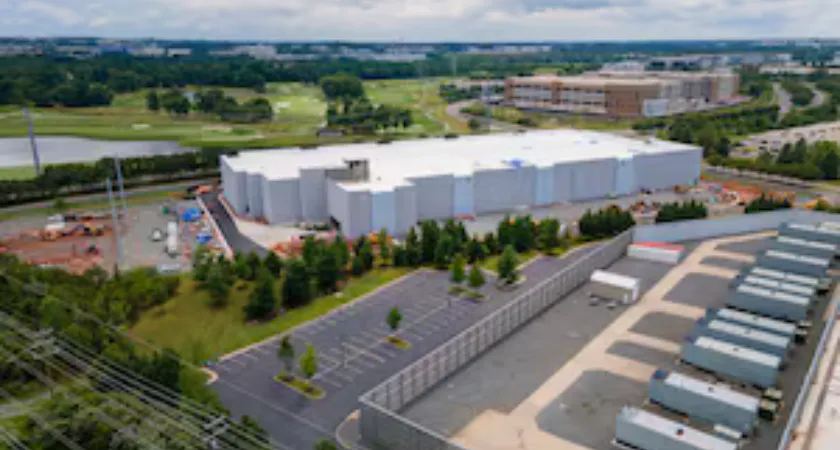
Lawmakers recently granted tax breaks for behind-the-meter gas plants and proposed labeling natural gas as “clean energy,” a move critics say could open the door to even more subsidies. Although Apollo is designated as a behind-the-meter facility, observers believe it may eventually seek a grid connection to sell excess power—raising questions about whether incentives would be repaid.
Further uncertainty surrounds infrastructure needs, including two 16-inch gas pipelines required to fuel the plant. Residents ask why pipeline permits are being handled separately and whether that approach avoids a full statement of community benefit.
Application documents claim, "The proposed project will not meet the definition of a major stationary source," a statement many locals find hard to reconcile with projected emissions.
With construction slated to begin next week, opponents question how contracts and equipment orders could proceed before all permits are finalized. They fear the approval process has become “just a matter of checking boxes.”
Some residents continue to push back despite feeling ignored. "My family has already suffered from severe asthma," said Tracy Wyatt. "How much worse will their health get by living next to a gas plant?"
Advocates say public engagement has been superficial. The Will-Power application touts “early involvement,” yet many believe the effort fell far short of genuine transparency or a rigorous cost-benefit analysis.
As Ohio races to accommodate the data-center boom, critics warn that the long-term bill—environmental, financial, and public health—may fall squarely on taxpayers and ratepayers.
Originally reported by PR Newswire in Yahoo Finance.