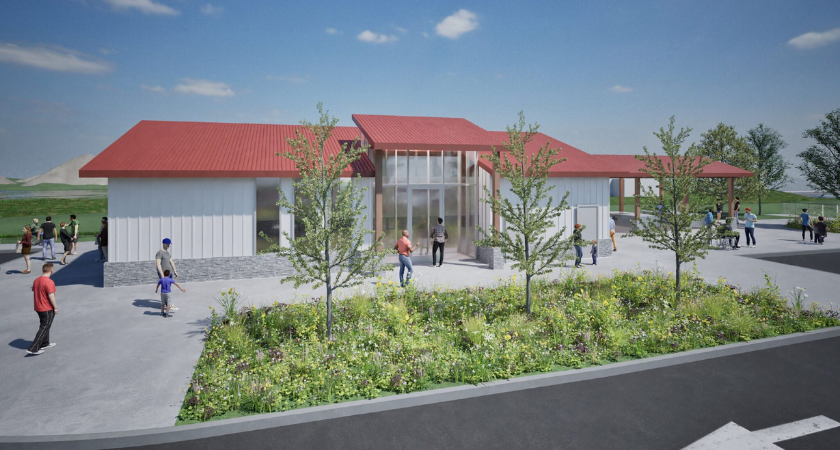
Wastewater infrastructure planning is becoming a larger consideration for marina developers and waterfront facility operators as environmental regulations, tourism activity and infrastructure demands continue to shape coastal and inland marina construction projects.
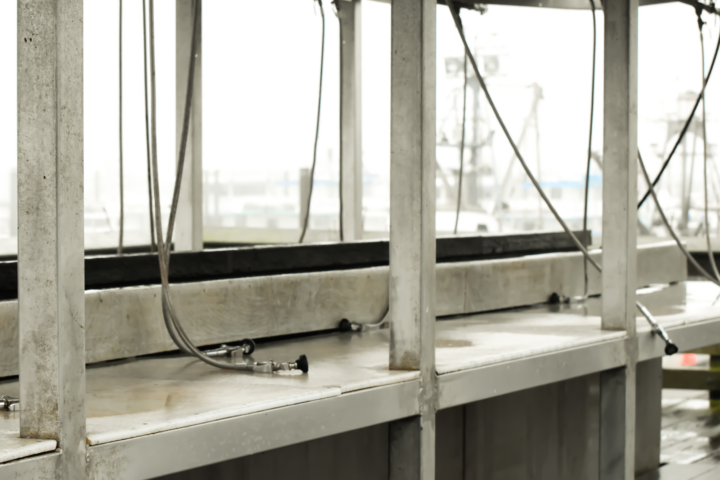
MSA Professional Services released guidance focused on sanitary wastewater management for marinas, outlining engineering considerations tied to environmental compliance, facility expansion and long-term operational planning.
MSA stated that marina wastewater systems must address multiple waste streams generated by restrooms, showers, laundry operations, food service facilities, fish-cleaning stations and marine pump-out systems.
The engineering guidance emphasized that fish waste management remains an important operational and regulatory issue for waterfront facilities, particularly at inland marina locations where direct disposal into marina basins or waterways can create water quality and operational concerns.
MSA noted that some facilities use grinders, dedicated holding tanks or off-site disposal partnerships to manage fish-cleaning waste while maintaining compliance with local environmental regulations.
According to MSA, marina developments typically rely on either municipal sewer connections or private onsite wastewater treatment systems depending on utility access, projected wastewater volume and site conditions.
Urban and suburban marina projects may connect directly to municipal sewer systems using lift stations, holding tanks and force mains to convey wastewater to public treatment facilities. However, utility capacity constraints in growing waterfront communities can limit additional connections without infrastructure upgrades.
For rural or remote sites, MSA outlined the use of private onsite wastewater treatment systems incorporating holding tanks, primary treatment components and drain fields. The engineering approach may include gravity-fed, pressure distribution or mound systems depending on groundwater conditions, available land and local permitting requirements.
The company also referenced a State of Wisconsin fish hatchery modernization project involving private water and wastewater infrastructure, fish waste collection systems and regulated discharge management.
Marina operators are increasingly evaluating wastewater infrastructure capacity as part of broader waterfront redevelopment and expansion planning, particularly at facilities adding lodging, dining, campground or recreational amenities.
What This Means For Construction Owners
For developers and contractors, wastewater system sizing and permitting can directly affect construction schedules, operational capacity and future expansion opportunities. MSA stated that integrated utility planning during early project development can help reduce compliance risks, avoid emergency system upgrades and support long-term marina operations in environmentally sensitive locations.
Source: MSA.