New York City is expanding workplace heat safety requirements as construction and labor organizations continue to raise concerns over extreme temperature exposure on job sites and industrial facilities. New York City issued a new executive order directing mayoral agencies to strengthen heat illness prevention measures for workers exposed to hazardous temperatures.
The policy initiative reflects growing focus on climate-related worker safety risks across construction, transportation, warehousing and other outdoor labor sectors.
The executive order requires city agencies to develop and implement heat illness prevention plans while also providing multilingual heat safety information for workers.
The directive additionally calls for a review of existing construction site heat safety practices as part of broader efforts to strengthen protections for employees working outdoors during periods of extreme heat.
The action follows advocacy efforts led by the New York Committee for Occupational Safety and Health and the Temperature Extreme Mitigation Program Coalition, which includes labor unions, worker advocacy organizations and frontline workers.
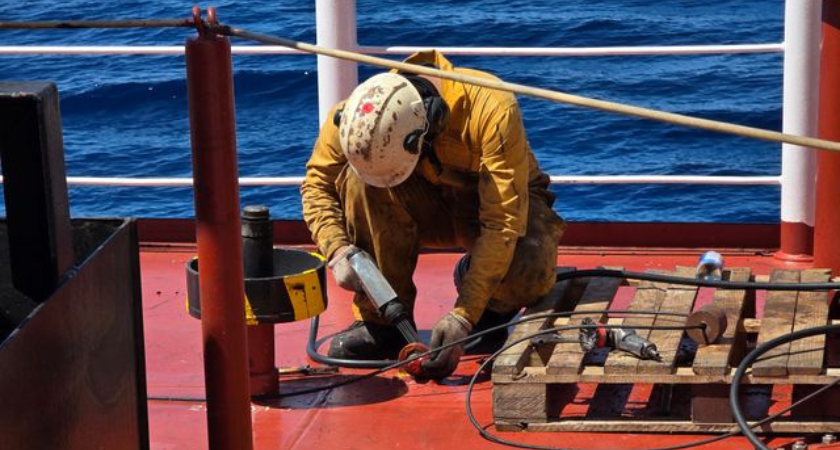
Worker safety advocates have increasingly focused on heat exposure risks affecting construction crews, airport workers, warehouse employees and delivery personnel as higher seasonal temperatures continue to affect working conditions.
The executive order represents a municipal-level response while labor groups continue to advocate for statewide legislation that would establish enforceable standards related to rest periods, hydration access and shaded recovery areas for indoor and outdoor workers.
Organizations supporting the effort include labor groups such as 32BJ SEIU and Retail, Wholesale and Department Store Union.
For construction owners, contractors and project managers, the executive order signals increasing regulatory attention on heat exposure management and worker protection practices during summer construction operations.
The policy direction also highlights broader industry challenges tied to climate-related jobsite safety planning, particularly for projects involving outdoor labor, infrastructure construction and extended work shifts during periods of elevated temperatures.
Source: NYCOSH.