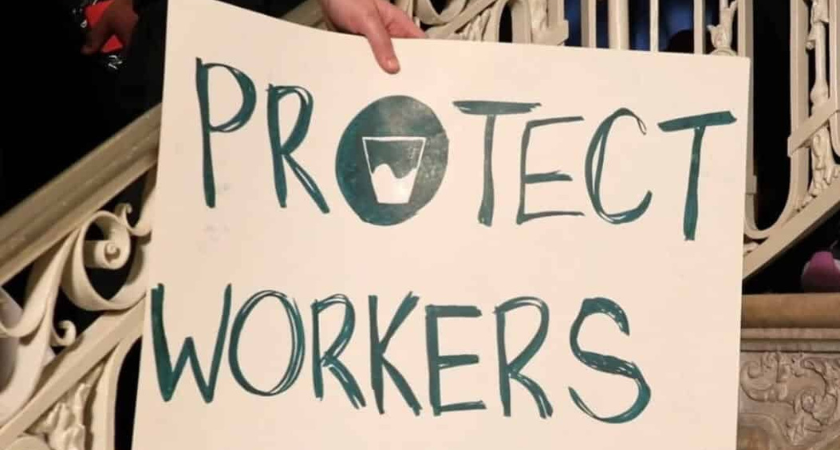
Construction employers and public agencies are increasing focus on heat-related jobsite safety as rising summer temperatures create additional operational and workforce risks across urban construction and infrastructure projects.
New York City Mayor Zohran Mamdani signed an executive order establishing expanded heat safety requirements for workers operating in high-temperature conditions across city-managed operations and job sites.
The executive order directs mayoral agencies to develop and implement heat illness prevention plans for workers exposed to extreme temperatures.
The initiative also requires agencies to distribute multilingual heat safety information intended to improve worker awareness and communication during high-heat conditions.
City officials stated the directive includes a review of existing construction site heat safety practices as part of broader efforts to strengthen protections for outdoor workers.
Worker advocacy organizations and labor groups participating in the initiative identified construction workers, warehouse employees, transportation staff and delivery personnel among occupations most affected by prolonged heat exposure.
Heat exposure has become an increasing operational concern for contractors managing outdoor construction activities during extended periods of elevated temperatures.
Construction safety programs frequently incorporate hydration planning, shaded rest areas, modified work schedules and monitoring protocols intended to reduce the risk of heat-related illness on active jobsites.
Worker safety advocates continue supporting statewide legislation in New York that would establish enforceable requirements tied to rest periods, shade access and hydration standards for both indoor and outdoor workers.
The proposed legislation, known as the Temperature Extreme Mitigation Program Act, remains under consideration at the state level.
For construction owners, general contractors and specialty contractors, expanding heat safety requirements may influence workforce planning, project scheduling and jobsite safety management during peak summer conditions.
Public sector owners and contractors working on municipal projects may also face additional compliance considerations as local governments formalize heat illness prevention standards and worker protection procedures.
As extreme weather events increasingly affect construction operations, heat mitigation planning continues becoming a larger component of workforce safety and risk management programs across the industry.
Source: NYCOSH.