A new industry analysis warns that New York City’s already strained affordable housing goals could face additional setbacks as federal immigration enforcement intensifies—posing risks to construction timelines, project costs, and the regional economy.
.jpg)
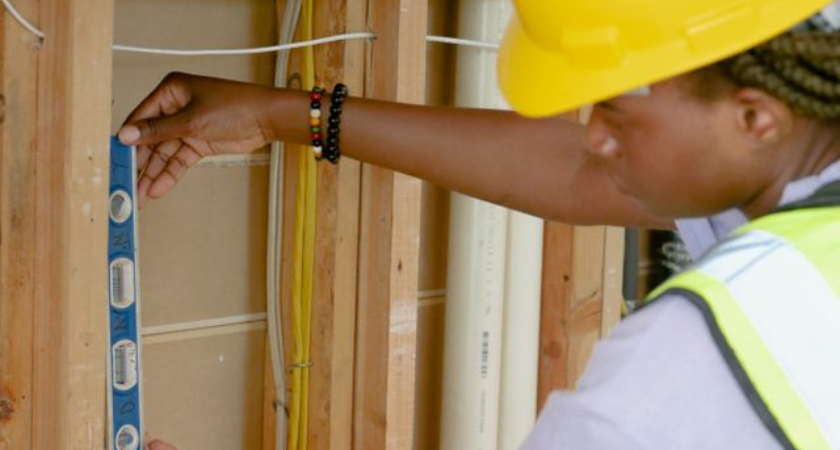
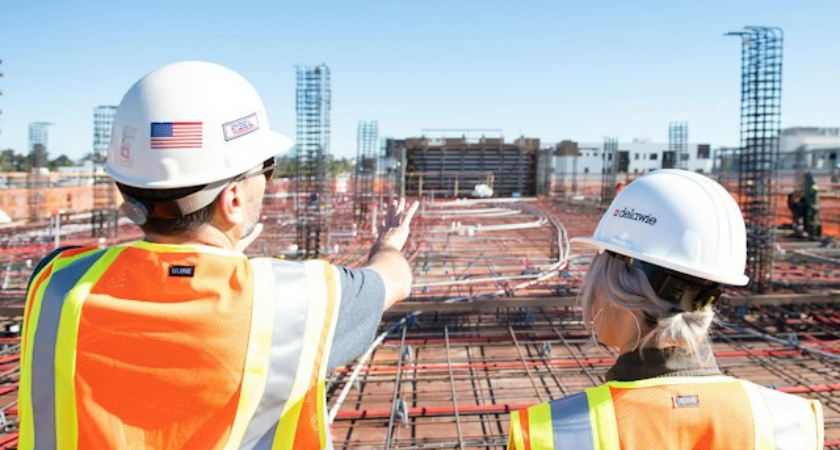
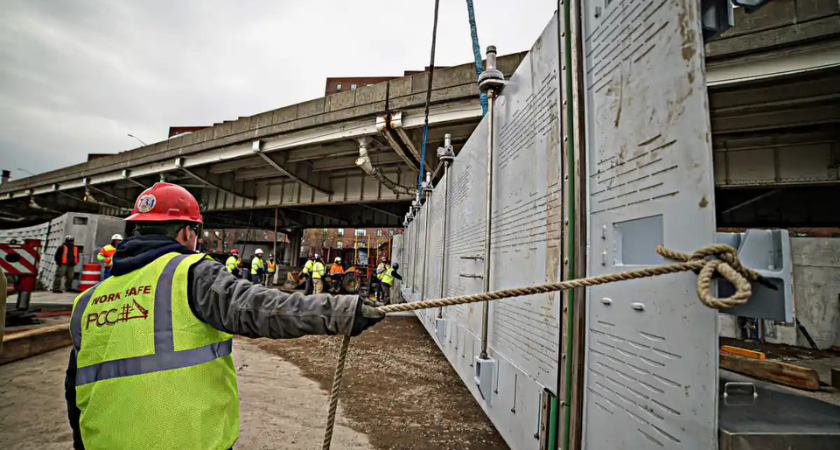
Released Monday by Construction Coverage, the report highlights the outsized impact mass deportations could have on New York’s construction sector, which relies heavily on immigrant labor. According to the Dec. 1 analysis, nearly 48.9% of construction workers in the NYC metro area are foreign-born, representing 288,678 workers—one of the highest shares among large U.S. metro regions.
Because “construction is labor-intensive and sequential,” senior researcher Jonathan Jones explained, any abrupt reduction in labor supply would likely trigger workflow delays and project bottlenecks. “In a worst-case scenario, labor shortages could force new housing starts to slow down significantly as general contractors struggle to staff work sites,” Jones said.
The researchers caution that these potential disruptions come at a time when New York is working aggressively to expand housing which includes initiatives tied to the City of Yes zoning reform. A weakened labor force could slow progress toward easing the city’s long-standing affordability crisis.
A spokesperson for Mayor Eric Adams emphasized that the administration has pushed for work authorization pathways for immigrants and asylum seekers while rejecting cooperation with civil immigration enforcement. “While we do not have estimates on the impact of federal immigration policies on specific industries, we continue to advocate for comprehensive immigration reform on the federal level and have not — and will not — cooperate with civil immigration enforcement, in accordance with local law,” the spokesperson said.
City Council Member Alexa Avilés argued the report validates concerns long raised by immigrant advocates. “Crucial industries like construction that rely on the labor of immigrant workers are under threat as workers, their families, and their communities suffer from the violence of unlawful kidnappings,” she said, calling the deportations “deeply destructive” to the city’s economy.
Council Member Shekar Krishnan, who allocated $17.5 million in 2023 for hospital enhancements benefiting injured workers, echoed this sentiment. “We know that immigrants are the backbone of New York City,” he said. “In the construction industry, immigrants are a large part of the workforce. They face grave risks on the job and make great sacrifices for their families.”
Carlo Scissura, Esq., president and CEO of the New York Building Congress, reinforced the industry’s dependence on immigrant labor. “Our 2025 Workforce Snapshot shows that as our industry grows more diverse, educational attainment is rising right alongside it – proof that diversity makes us stronger,” he said, describing immigrant workers as the “backbone” of the local construction workforce.
Beyond delays, the report points to economic ripple effects. A shrinking labor pool typically raises wages as companies compete for fewer workers, and these higher costs often cascade to developers, renters, and homebuyers—complicating efforts to build affordable housing at scale.
.jpg)
“With nearly half of the workforce being foreign-born, any significant reduction in this labor pool would likely strain the industry’s capacity,” Jones said. He added that replacing tens of thousands of experienced workers is especially difficult because many have specialized trade skills and institutional knowledge: “Replacing a significant percentage of experienced workers rapidly is difficult, which could lead to operational inefficiencies and challenges in maintaining quality control on complex sites.”
The report situates NYC’s labor challenge within a broader national trend. Across the U.S., the share of foreign-born construction workers rose from 23.3% in 2009 to 26% in 2023, with the total number of immigrant workers climbing by more than 435,000 during that period.
Other metro areas with even higher immigrant representation include Miami-Fort Lauderdale-West Palm Beach at 66.2% and Los Angeles-Long Beach-Anaheim at 53.7%, reflecting the industry’s widespread reliance on international labor.
Industry experts warn that if deportation efforts scale further, the impacts could ripple beyond housing. Reduced labor availability may affect:
With New York already confronting record construction demand and a housing gap estimated at hundreds of thousands of units, losing a substantial portion of its labor force could significantly hinder progress.
Originally reported by Barbara Russo-Lennon in Amny.